

 Предпросмотр
 Поделиться
 Поделиться
 Детали произведения

 Скачать
 Похожие работы
 Рентгенография
 Слайд-шоу
 Статистика
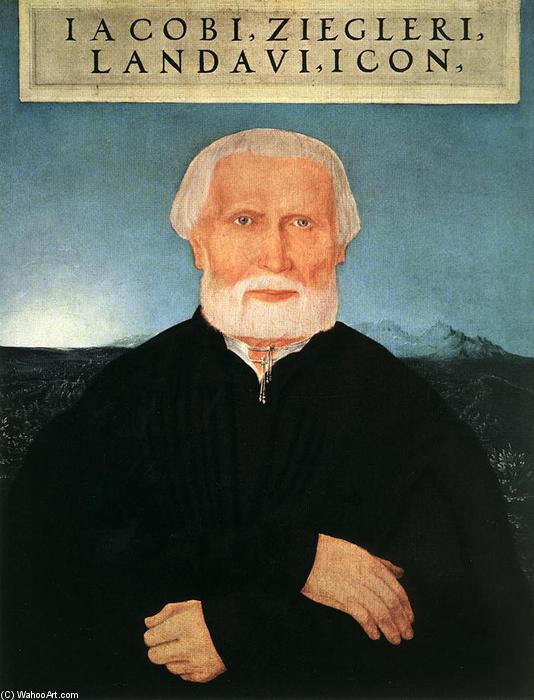
Portrait of Jacob Ziegler
 Oil On Panel
- WallArt
- Renaissance
 1540
1540- Renaissance
 58.0 x 44.0 cm
 Музей истории искусств (Вена)
 Читать далее
Жикле / Арт-принт
Печать (жикле) или холст музейного качества с быстрыми сроками изготовления и широким выбором вариантов отделки. ( Купить картину ручной работы Перейти к цифровым изображениям)




P118B $10

P118H $10

P118W $10

P438Z $10

P508JH $12

P508YH $12

P805H $10

P805Z $10

P919BZ $10

P919G $10

P919XJ $10

P959ZH $10

P968JZ $12

W106C $8

W218G $10

W218JH $8

W218Y $10

W307PJ $10

W316G $10

W316PJ $8

W316Y $10

W398PJ $8

W4111J $10

W500HY $15

W500JH $15

W692G $12

W849H $8

W940BG $15

W953PJ $8




Выберите один из наших стандартных размеров, соответствующих оригинальным пропорциям произведения искусства.

Вы можете указать свои собственные размеры, чтобы репродукция идеально подошла под конкретную раму или пространство. Если выбранный вами размер не будет соответствовать пропорциям оригинала, мы либо обрежем произведение, либо дополним изображение зеркальным отражением краев или однотонной заливкой. Перед началом производства вам будет отправлен цифровой макет для утверждения.
Пожалуйста, обратите внимание, что предварительный просмотр на экране не отображает фактическую обрезку или расширение изображения. Только макет точно покажет финальную композицию.
Несмотря на возможность заказа индивидуальных размеров, мы рекомендуем выбирать размер из предопределенного списка, чтобы сохранить оригинальные пропорции.
Доставка по всему миру () за 2 недели вместо стандартных 4/5 недель. (12 Сентябрь)

Бесплатная экспресс-доставка по всему миру

Высококачественный льняной холст

Полное страхование доставки

Гарантия возмещения таможенных пошлин

Гарантия точного соответствия цветов

100-дневная политика возврата (только при обнаружении дефектов)

Гарантия возврата 100% средств

Предложение оптовых скидок
 Вариант со стеклом доступен только для размеров менее 110 см

Portrait of Jacob Ziegler
Жикле / Арт-принт
Размер репродукции
-


Итоговая стоимость
$ 62
A Renaissance Reflection: The Soul of Jacob Ziegler
In the quiet, contemplative depths of Wolf Huber’s Portrait of Jacob Ziegler, we encounter more than just a likeness; we enter a profound dialogue between man and time. Executed in 1540, this masterpiece serves as a luminous window into the intellectual fervor of the High Renaissance, capturing the essence of an era defined by humanism and the revival of classical wisdom. The subject, Jacob Ziegler, was not merely a sitter but a wandering scholar, a theologian, and a cartographer whose life mirrored the expansive, searching spirit of his age. Through Huber’s brush, we see the weight of experience etched into the features of an elderly man, whose white hair and flowing beard frame a countenance of deep, introspective thought.
The painting transcends simple portraiture by weaving the human subject into the very fabric of the natural world. Behind the dignified figure of Ziegler, a soft, atmospheric landscape unfolds, where distant mountains and verdant trees suggest the vast geographies the scholar once mapped. This juxtaposition of the intimate, indoor lighting on the man against the sprawling, untamed beauty of the background is a hallmark of the Danube School. Huber, a leading light of this influential movement, possessed a rare sensitivity to the lyrical qualities of nature, allowing the landscape to act as an emotional extension of the subject’s own intellectual journey.
Mastery of Light and the Danube Spirit
Technically, the portrait is a triumph of Renaissance oil painting on panel. Huber utilized a meticulous layering of pigments to achieve a velvety texture that invites the eye to linger on the subtle gradations of skin tone and the heavy, somber folds of Ziegler’s black robe. The artist’s command of chiaroscuro—the dramatic interplay between light and shadow—is nothing short of masterful. A gentle, frontal illumination bathes the subject's face, casting soft shadows that lend a sculptural depth to his features, making the sitter feel palpably present within the frame.
The color palette is intentionally restrained, relying on muted, earthy tones that contribute to the painting’s overall sense of gravity and dignity. This lack of ostentation reflects Huber’s unique artistic philosophy; unlike many of his contemporaries who sought theatrical grandeur, Huber prioritized observation and a nuanced representation of reality. For the discerning collector or interior designer, this piece offers a sophisticated anchor for a room, providing a sense of historical weight and quiet elegance that complements both classical and contemporary settings.
An Enduring Legacy for the Modern Collector
To possess a reproduction of this work is to bring a piece of the Kunsthistorisches Museum into one's own sanctuary. The emotional impact of the Portrait of Jacob Ziegler lies in its ability to evoke a sense of peace and intellectual curiosity. It is a painting that demands slow looking, rewarding the viewer with new details of texture and expression upon every encounter. Whether placed in a study, a library, or a grand living space, this artwork serves as a timeless reminder of the beauty found in wisdom, the dignity of age, and the eternal connection between humanity and the natural world.
Похожие произведения


Биография художника
Titian: The Sun of Venice
The decade of the 1490s witnessed a burgeoning Renaissance across Europe, and within that vibrant landscape, Titian – born Tiziano Vecellio around 1488/90 in the small Alpine town of Pieve di Cadore – emerged as its most dazzling star. His life, spanning nearly eight decades, coincided with an extraordinary period of artistic innovation, marked by a shift towards individualism and a profound exploration of color and light. While often overshadowed by his contemporaries like Leonardo da Vinci and Michelangelo, Titian’s influence on subsequent generations of artists is undeniable, shaping the trajectory of Venetian painting for centuries to come.
Titian's early training was steeped in the traditions of the Veneto region. He began his apprenticeship with Sebastiano Zuccato, a prominent mosaicist, and later honed his skills under Gentile Bellini, one of Venice’s most esteemed masters. This formative period exposed him to the established techniques of Venetian painting – a style characterized by its rich pigments, atmospheric perspective, and a focus on depicting the beauty of everyday life. However, it was through his association with Giorgione, another influential painter in Venice, that Titian truly began to forge his own distinctive voice. Giorgione’s innovative use of color and his penchant for portraying idyllic landscapes profoundly impacted Titian's artistic development, laying the groundwork for his later mastery of chromatic harmony.
The Rise of a Master
Following Giorgione’s untimely death in 1510, Titian seized the opportunity to establish himself as an independent artist. He quickly gained recognition for his portraits and mythological scenes, attracting the attention of wealthy patrons throughout Italy – from Venice itself to the courts of Florence, Ferrara, Mantua, and even Spain. His ability to capture the essence of his subjects, combined with his innovative use of color and composition, made him one of the most sought-after painters in Europe. Early commissions included frescoes for prestigious buildings like the ‘Scuola del Santo’ in Padua, where he demonstrated his burgeoning compositional skills and mastery of perspective.
A pivotal moment in Titian's career came with the execution of the ‘Assunta’ altarpiece for Santa Maria Gloriosa dei Frari in Venice (1518). This monumental work, characterized by its dynamic composition, vibrant colors, and dramatic use of light, established Titian as a leading figure in Venetian painting and set a new standard for altarpieces throughout Italy. The ‘Assunta’ marked a decisive break from the more restrained styles of his predecessors, signaling the arrival of a truly original artistic voice.
Technique and Innovation
Titian's technical prowess was legendary. He possessed an unparalleled understanding of color theory, meticulously mixing pigments to achieve astonishingly luminous effects. His brushwork was loose and expressive, often employing rapid, gestural strokes to convey movement and emotion. Unlike the meticulous detail favored by some of his contemporaries, Titian prioritized capturing the *essence* of a subject – its mood, atmosphere, and inherent beauty. He experimented extensively with different techniques, including glazing (applying thin layers of translucent paint) and scumbling (creating textured surfaces through the application of broken color), further enhancing the richness and depth of his paintings.
Furthermore, Titian’s influence extended beyond mere technique. He was a pioneer in the use of color as a primary expressive device, moving away from the predominantly dark palettes favored by earlier Venetian painters. His compositions often featured dramatic contrasts between light and shadow, creating a sense of dynamism and visual excitement. His portraits were particularly notable for their psychological depth and ability to capture the personality of his subjects – whether noblemen, merchants, or religious figures.
Legacy and Influence
Titian’s impact on the course of Western art is profound. He established a new paradigm for Venetian painting, inspiring generations of artists with his innovative use of color, composition, and technique. His influence can be seen in the works of countless painters, including Tintoretto, Veronese, and even later masters such as Rembrandt and Turner. His emphasis on individual expression and his willingness to experiment with new approaches paved the way for the development of modern painting.
Despite facing challenges – including periods of financial hardship and professional rivalry – Titian remained a remarkably prolific and influential artist throughout his long career. He died in Venice in 1576, leaving behind a vast body of work that continues to captivate and inspire viewers today. Titian’s legacy as the “sun of Venice” endures, illuminating the artistic landscape for centuries to come.
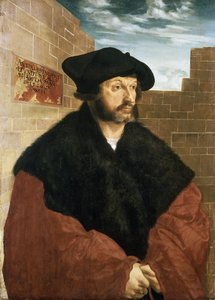
wolf huber
1490 - 1553 , Austria
Основные сведения
- Artistic Movement Or Style: Renaissance painting”
- Artists Or Movements Influenced By This Artist:
- Venetian School
- European painting
- Artists Who Influenced This Artist:
- Giorgione
- Giovanni Bellini
- Date Of Birth: c. 1490
- Date Of Death: 1576
- Full Name: Tiziano Vecellio”
- Nationality: Venetian
- Notable Artworks:
- Assumption of the Virgin
- Venus of Urbino
- Bacchus and Ariadne
- Place Of Birth: Pieve di Cadore, Italy
Похожие статьи
25 Шедевров Kunsthistorisches Museum: Искусство для Вашего Дома | ArtsDot
Погрузитесь в мир искусства с 25 шедеврами Kunsthistorisches Museum, Vienna! Узнайте истории Рафаэля, Рембрандта и Вермеера. Купите репродукции картин для вашего дома на ArtsDot.com – музейное качество и вдохновение для интерьера.

The Enduring Legacy of Oil on Canvas: Technique, History & Aesthetic Impact
Explore the rich history & techniques of oil painting – from Renaissance masters to Impressionism. Discover pigments, layering methods, and why this timeless medium endures. Expert insights for artists & art enthusiasts.

The Enduring Power of Painting: A Historical & Contemporary Exploration of Form and Emotion
Explore the rich history & enduring techniques of oil painting with ArtsDot. Discover masterpieces, learn about art collecting, and find authentic handmade reproductions crafted by skilled artists.

Oil on Canvas: A Historical & Technical Exploration of a Timeless Artistic Medium
Explore the rich history & enduring techniques of oil painting on canvas. Discover the science behind its longevity, conservation practices, and contemporary relevance. Expert insights for art enthusiasts.

Масляная живопись: История, техника и непреходящее наследие
Узнайте все о масляной живописи: история техники, секреты мастеров и современные тенденции. Погрузитесь в мир искусства с экспертами !