

 Предпросмотр
 Поделиться
 Поделиться
 Детали произведения

 Скачать
 Похожие работы
 Рентгенография
 Слайд-шоу
 Статистика
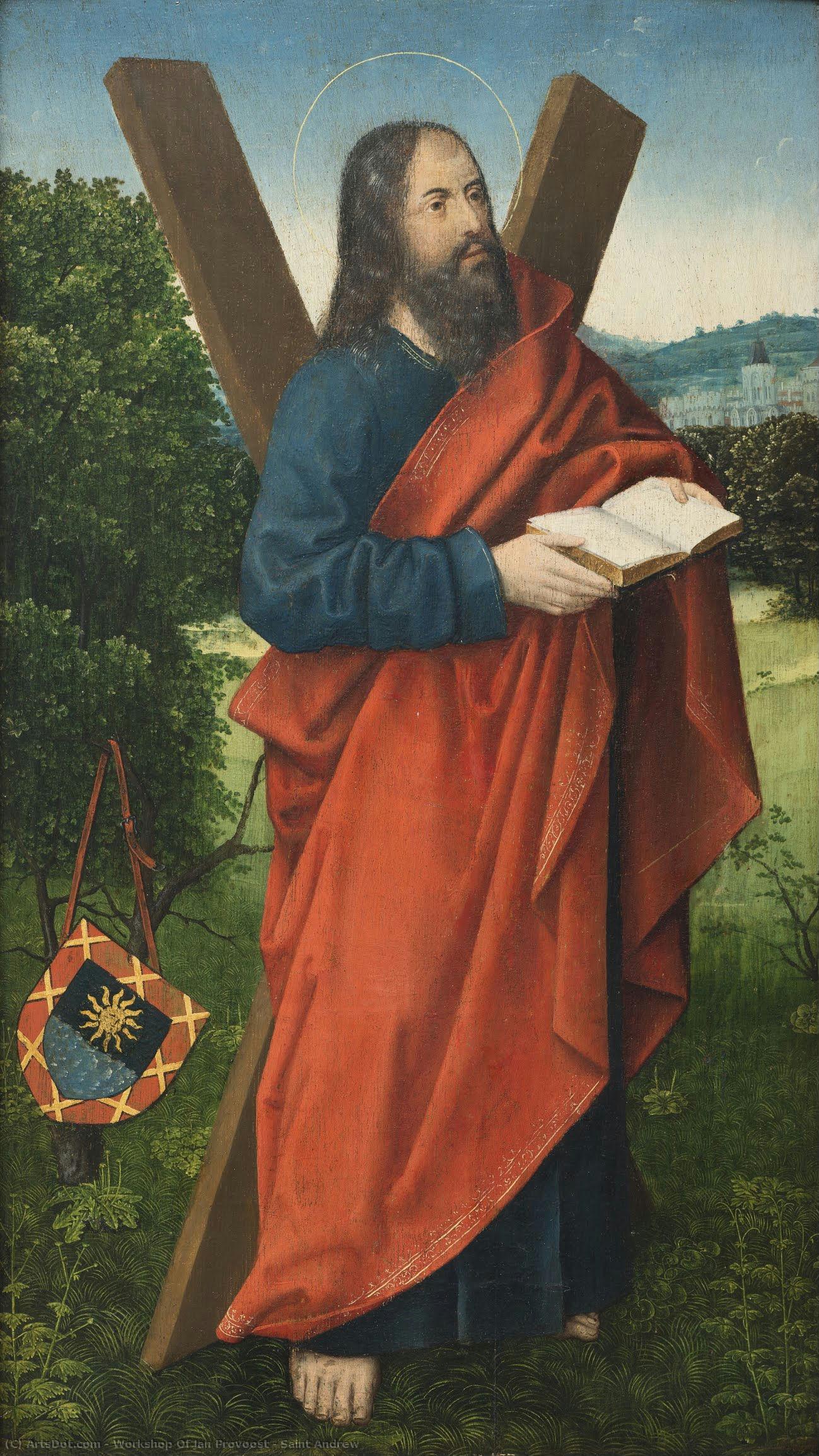
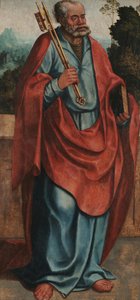
Saint Andrew
 Early Netherlandish Painting
 5.0 x 5.0 cm
 Bonnefanten Museum
 Читать далее
Масляная репродукция ручной работы
Картина маслом на холсте в выбранном вами размере и раме, написанная на заказ нашими художниками. ( Перейти к печати Перейти к цифровым изображениям)




































Выберите один из наших стандартных размеров, соответствующих оригинальным пропорциям произведения искусства.

Вы можете указать собственные размеры, чтобы картина идеально вписалась в выбранную раму или пространство. Если выбранный вами размер не соответствует пропорциям оригинала, мы либо обрежем полотно, либо расширим его за счет дополнительных элементов, написанных вручную. Цифровой макет будет отправлен вам на утверждение перед началом производства.
Обратите внимание, что предварительный просмотр на экране не отражает фактическую обрезку или расширение. Только макет точно покажет окончательную композицию.
Хотя доступны индивидуальные размеры, мы рекомендуем выбирать вариант из предопределенного списка, чтобы сохранить исходные пропорции.
После оформления заказа команда ArtsDot.com свяжется с клиентом по электронной почте для уточнения деталей и предоставит предварительный макет
Доставка по всему миру () за 3–4 недели вместо стандартных 5 недель. (11 Сентябрь). Без компромиссов в качестве.

Бесплатная экспресс-доставка по всему миру

Высококачественный льняной холст

Полное страхование доставки

Гарантия возмещения таможенных пошлин

Гарантия точного соответствия цветов

100-дневная политика возврата (только при обнаружении дефектов)

Гарантия возврата 100% средств

Предложение оптовых скидок
 Вариант со стеклом доступен только для размеров менее 110 см

Saint Andrew
Техника репродукции
Размер репродукции
-


Итоговая стоимость
$ 263
Похожие произведения
Биография художника
The Enigmatic World of the Workshop of Jan Provoost
The name Jan Provoost resonates within the annals of early Netherlandish painting, yet attributing specific works solely to his hand remains a complex undertaking. More accurately understood as a prolific workshop – a bustling center of artistic production in Bruges during the late 15th and early 16th centuries – the studio’s output reveals a fascinating blend of stylistic influences and technical mastery. While biographical details concerning Provoost himself are scarce, piecing together evidence from archival records and stylistic analysis allows us to glimpse the workings of this important atelier and its contribution to the flourishing art scene of the period. He is documented as active in Bruges from 1493, becoming a master of the Guild of Saint Luke in 1502, and consistently receiving commissions from both local nobility and international patrons. This consistent demand speaks volumes about the quality and appeal of the work emanating from his studio.A Synthesis of Styles: Influences and Early Development
The artistic landscape Provoost navigated was one of remarkable innovation. He absorbed the lessons of Jan van Eyck, whose pioneering oil techniques and meticulous realism continued to exert a powerful influence on painters throughout Flanders. However, Provoost’s workshop wasn't merely imitative. A clear debt is also owed to Hugo van der Goes, particularly in the emotional intensity and expressive characterization seen in some figures. The delicate lyricism of Hans Memling, another prominent Bruges artist, also found its way into the studio’s repertoire. Early works attributed to Provoost – or more precisely, to his immediate circle – often exhibit a blend of these characteristics: van Eyck's precision combined with van der Goes’ psychological depth and Memling’s refined elegance. This synthesis wasn’t accidental; Bruges was a cosmopolitan hub where artists readily exchanged ideas and techniques, fostering a climate of experimentation and cross-pollination. The workshop likely produced a wide range of paintings, from small devotional panels to larger altarpieces, catering to diverse tastes and budgets.Themes and Techniques: Defining the Workshop’s Aesthetic
The subject matter favored by the Workshop of Jan Provoost reflects the religious piety prevalent in late medieval society. Virgin and Child compositions are particularly common, often depicted with a tender intimacy that invites contemplation. Scenes from the life of Christ – the Annunciation, the Nativity, the Crucifixion – also feature prominently, rendered with a dramatic flair that emphasizes their emotional impact. Portraits, both individual and group portraits, were another important source of income for the studio. These works are notable for their detailed rendering of fabrics, jewelry, and hairstyles, providing valuable insights into the fashion and material culture of the period. Technically, the workshop excelled in oil painting, employing layered glazes to achieve a luminous quality and remarkable depth of color. Attention to detail was paramount, evident in the meticulous depiction of textures, patterns, and individual features. The use of symbolism was also widespread, with objects and motifs carefully chosen to convey deeper religious meanings. For example, lilies often represented purity, while fruit symbolized fertility or temptation.Attribution Challenges and Legacy
The very nature of a workshop – the collaborative effort of master, assistants, and apprentices – presents significant challenges when it comes to attribution. It is rare to find paintings that can be definitively attributed solely to Provoost’s hand; most works are considered products of his studio, with varying degrees of his personal involvement. Scholars often distinguish between paintings executed “by the Master’s hand,” those "from the workshop," and those produced "in the manner of" Provoost. This nuanced approach acknowledges the collaborative nature of artistic production while recognizing the distinctive aesthetic qualities that characterize the studio's output. Despite these challenges, the Workshop of Jan Provoost left an indelible mark on early Netherlandish painting. His influence can be seen in the work of later artists who adopted his techniques and stylistic innovations. The workshop’s paintings continue to captivate viewers with their beauty, detail, and emotional depth, offering a glimpse into the artistic world of Bruges during a period of remarkable creativity and religious fervor.Major Achievements and Historical Significance
While pinpointing specific masterpieces solely attributable to Provoost is difficult, the overall body of work produced by his workshop represents a significant achievement in early Netherlandish art. The consistent quality and demand for their paintings demonstrate the studio’s mastery of technique and its ability to cater to diverse tastes.- The workshop played a crucial role in disseminating new artistic ideas and techniques throughout Flanders.
- Their portraits provide valuable insights into the fashion, material culture, and social life of the period.
- The religious paintings reflect the piety and emotional intensity characteristic of late medieval society.
- The workshop’s influence can be seen in the work of later artists who adopted their stylistic innovations.
Основные сведения
- Artistic Movement Or Style: Northern Renaissance, Early Netherlandish painting
- Date Of Death: Living
- Full Name: Workshop Of Jan Provoost
- Nationality: Flemish
- Notable Artworks:
- Portrait of a Lady with Prayer Book
- Saint Luke Painting the Virgin
- The Lamentation of Christ
Похожие статьи
Jan Gossart: Bridging Netherlandish Realism & Renaissance Humanism – A Comprehensive Exploration
Explore the captivating world of Jan Gossart, a pivotal figure bridging Netherlandish realism & Renaissance humanism. Discover his masterpieces, patronage, and lasting influence – an essential guide for discerning art collectors.
Illuminating Realism: Early Netherlandish Painting (15th-16th Centuries)
Explore the captivating world of Early Netherlandish painting! Discover Jan van Eyck, Hans Memling & more. Uncover symbolism, techniques & the legacy of these Flemish masters. A comprehensive guide for art enthusiasts.
Jan Gossaert (Mabuse): Pioneering Renaissance Style & the Birth of Netherlandish Antiquity
Explore the groundbreaking art of Jan Gossaert (Mabuse), a pioneer of Renaissance painting in the Low Countries. Discover his Romanist style, stunning portraits, and influence on Northern European art history.
Jan Brueghel the Elder: A Master of Flemish Landscape & Allegory – Exploring Innovation & Influence
Explore the captivating world of Jan Brueghel the Elder, a Flemish Baroque master renowned for his stunning landscapes & allegorical paintings. Discover his collaborations with Rubens and lasting artistic legacy.

10 Шедевров Раннего Нидерландского Живописи: История Искусства в Вашем Интерьере
Погрузитесь в мир Раннего нидерландского живописи! Откройте 10 шедевров Яна ван Эйка, Рогира ван дер Вейдена и других мастеров. История искусства, техника исполнения и вдохновение для вашего интерьера на ArtsDot.com.