 Предпросмотр
 Поделиться
 Поделиться
 Детали произведения

 Скачать
 Похожие работы
 Рентгенография
 Слайд-шоу
 Статистика
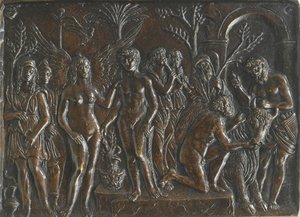
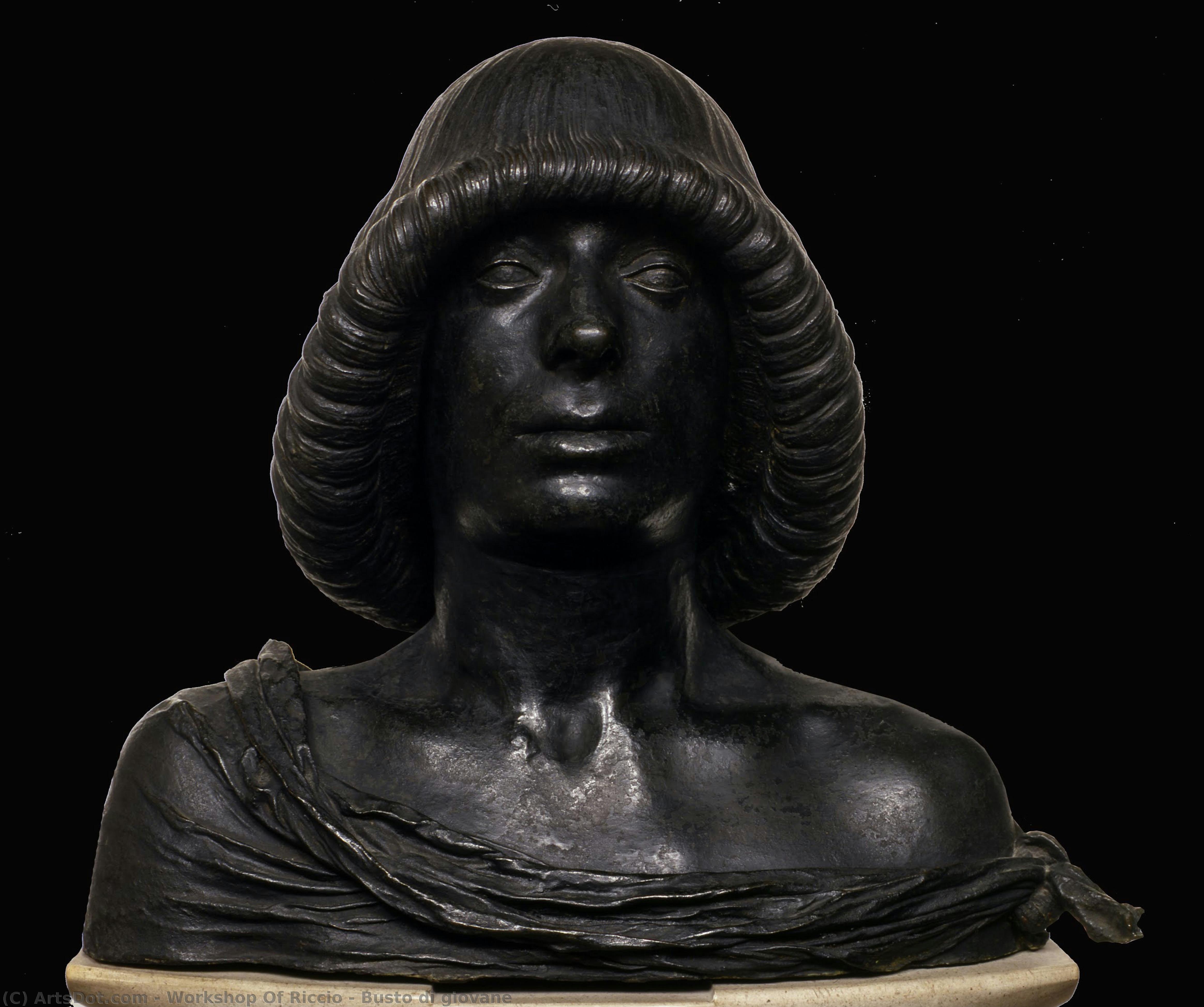
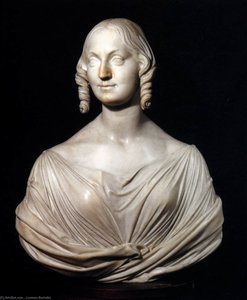
Busto di giovane

 Читать далее
Масляная репродукция ручной работы
Картина маслом на холсте в выбранном вами размере и раме, написанная на заказ нашими художниками. ( Перейти к печати Перейти к цифровым изображениям)




































Выберите один из наших стандартных размеров, соответствующих оригинальным пропорциям произведения искусства.

Вы можете указать собственные размеры, чтобы картина идеально вписалась в выбранную раму или пространство. Если выбранный вами размер не соответствует пропорциям оригинала, мы либо обрежем полотно, либо расширим его за счет дополнительных элементов, написанных вручную. Цифровой макет будет отправлен вам на утверждение перед началом производства.
Обратите внимание, что предварительный просмотр на экране не отражает фактическую обрезку или расширение. Только макет точно покажет окончательную композицию.
Хотя доступны индивидуальные размеры, мы рекомендуем выбирать вариант из предопределенного списка, чтобы сохранить исходные пропорции.
После оформления заказа команда ArtsDot.com свяжется с клиентом по электронной почте для уточнения деталей и предоставит предварительный макет
Доставка по всему миру () за 3–4 недели вместо стандартных 5 недель. (11 Сентябрь). Без компромиссов в качестве.

Бесплатная экспресс-доставка по всему миру

Высококачественный льняной холст

Полное страхование доставки

Гарантия возмещения таможенных пошлин

Гарантия точного соответствия цветов

100-дневная политика возврата (только при обнаружении дефектов)

Гарантия возврата 100% средств

Предложение оптовых скидок
 Вариант со стеклом доступен только для размеров менее 110 см

Busto di giovane
Техника репродукции
Размер репродукции
-


Итоговая стоимость
$ 263
Похожие произведения







Биография художника
The Enigmatic Workshop of Riccio: Masters of Venetian Ornament
The name “Workshop of Riccio” evokes a sense of mystery, a collective artistry flourishing in the heart of 16th-century Venice. Unlike many Renaissance artists celebrated as singular geniuses, the workshop operated as a dynamic hub, a collaborative enterprise producing exquisite ornamental designs that adorned palaces, churches, and domestic interiors throughout the lagoon city and beyond. Pinpointing a single “Riccio” remains elusive; rather, it’s believed to be a designation encompassing several skilled artisans—perhaps a family lineage or a particularly influential master craftsman—who shared a distinctive style and maintained consistently high standards of execution. Their work is not about grand narratives painted on canvas but the subtle power of surface decoration, transforming spaces with intricate carvings, gilded reliefs, and masterful stucco work.A Flourishing Environment: Venice in the Cinquecento
To understand the Workshop of Riccio, one must first grasp the context of 16th-century Venice. The city was a thriving republic, a major center for trade, diplomacy, and artistic innovation. Its unique geographical position fostered a cosmopolitan atmosphere, blending influences from Byzantium, the Islamic world, and mainland Italy. Wealth flowed freely, fueling a demand for luxurious goods and elaborate architectural embellishments. Venetian patrons—aristocrats, merchants, and religious institutions—commissioned works that reflected their status and sophistication. This environment provided fertile ground for workshops specializing in decorative arts, where skilled artisans could thrive by catering to the tastes of a discerning clientele. The workshop’s success was inextricably linked to Venice's prosperity; they weren't isolated creators but integral participants in the city’s vibrant cultural life.Style and Technique: A Symphony of Ornament
The hallmark of the Workshop of Riccio is their unparalleled mastery of ornament. Their designs are characterized by a profusion of motifs—grotesques, arabesques, putti, floral patterns, and mythological figures—arranged in complex compositions that often spill beyond architectural frames. Gilding played a crucial role, transforming surfaces into shimmering displays of light and color. They were particularly adept at stucco work, creating three-dimensional reliefs with remarkable finesse and detail. The workshop’s style is not easily categorized; it draws upon classical antiquity, Renaissance humanism, and the exotic influences that permeated Venice. However, their interpretation of these sources is uniquely Venetian—characterized by a playful exuberance, a sense of movement, and a refined elegance. The emphasis wasn't on realistic representation but on creating visually captivating patterns that delighted the eye. They frequently employed *cartellino* – decorative frames resembling scrolls or rolled-up documents – to showcase inscriptions or small paintings within their larger compositions, adding layers of meaning and visual interest.Major Achievements and Lasting Legacy
Attributing specific works definitively to the Workshop of Riccio is a challenge due to the collaborative nature of their practice and the lack of signed pieces. However, scholars have identified several key projects that showcase their distinctive style. The decoration of the Ca’ d'Oro, one of Venice’s most iconic palaces, is widely attributed to them, with their intricate stucco work adorning the building’s façade and interior courtyards. They also contributed significantly to the embellishment of several churches, including San Giorgio Maggiore and Santa Maria della Salute. Their influence extended beyond Venice; examples of their work can be found in palaces and villas throughout the Veneto region and even as far afield as France and Spain. The Workshop of Riccio’s legacy lies not in individual masterpieces but in the pervasive aesthetic they helped to define—a style that continues to evoke the opulence, sophistication, and artistic brilliance of Renaissance Venice. Their work serves as a reminder of the importance of craftsmanship, collaboration, and the transformative power of ornament.Rediscovering Riccio: Modern Scholarship
For centuries, the Workshop of Riccio remained largely anonymous, their contributions overshadowed by the fame of more prominent artists. However, recent scholarship has begun to shed light on their significance, recognizing them as key figures in Venetian Renaissance art.- Art historians have meticulously analyzed their stylistic characteristics, identifying recurring motifs and techniques.
- Archival research has uncovered valuable information about the workshop’s organization and patronage networks.
- Restoration projects have revealed previously hidden details of their work, allowing for a more nuanced understanding of their artistry.