

 Предпросмотр
 Поделиться
 Поделиться
 Детали произведения

 Скачать
 Похожие работы
 Рентгенография
 Слайд-шоу
 Статистика
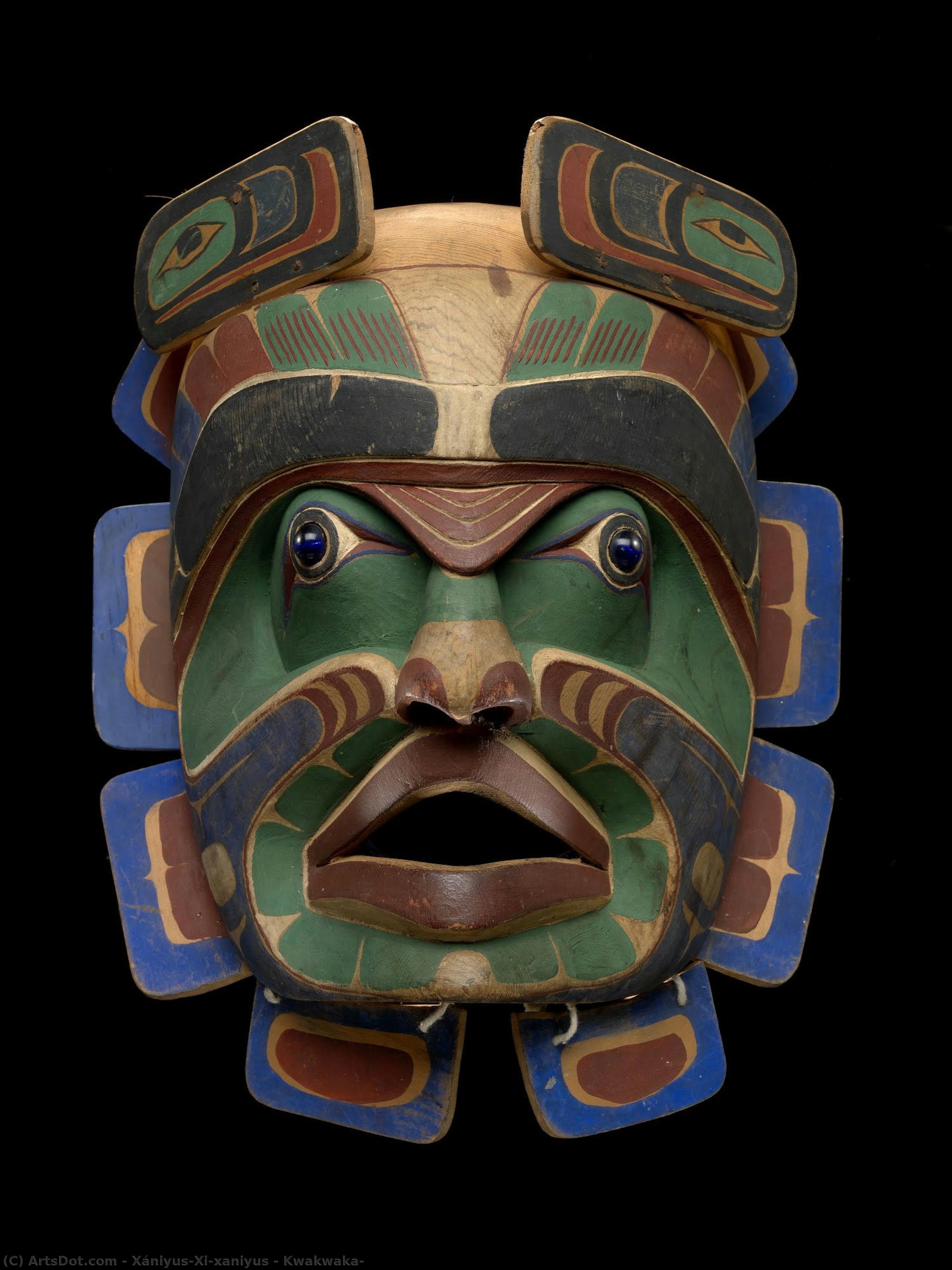
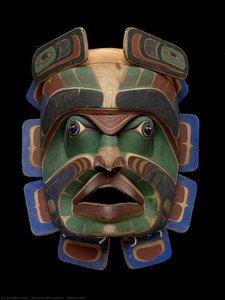
Kwakwaka
 1900
1900 35.0 x 40.0 cm
 Национальный музей американских индейцев
 Читать далее
Приобретите цифровое изображение высокого разрешения в улучшенном качестве, которое значительно превосходит онлайн-превью.
Каждый файл тщательно подготавливается нашими специалистами с использованием передовых инструментов и экспертной ручной ретуши. Мы гарантируем исключительную четкость, точную цветопередачу и детальную проработку каждого изображения.
Финальный файл доставляется по электронной почте в течение 72 часов и оптимизирован для немедленного использования в профессиональной среде, при верстке и печати. Это тот же уровень качества, которому доверяют ведущие дизайнерские студии, издательства и галереи.
Цифровое изображение
Скачайте файл высокого разрешения для личного использования, печати и творческих проектов. ( Перейти к печати Купить картину ручной работы)
Включено в каждый заказ цифровых изображений
Гарантия экспертной цифровой доставки
Выбирая ArtsDot.com, вы получаете не просто изображение — вы приобретаете профессионально обработанное цифровое произведение искусства, созданное с безупречной точностью и под защитой гарантии качества. Вот всё, что автоматически входит в ваш заказ:

Мгновенная доставка по e-mail
Ваш цифровой файл в высоком разрешении будет отправлен вам по электронной почте в течение 72 часов после оформления заказа — и сразу станет доступен для использования.

Цифровой файл с ИИ-улучшением
Ваше произведение искусства проходит профессиональную оптимизацию с использованием передовых инструментов ИИ и ручной обработки, что гарантирует максимальную детализацию, четкость и точность цветопередачи.

Бессрочная бесплатная повторная доставка
Случайно удалили или потеряли файл? Не беспокойтесь — мы отправим его вам повторно в любое время и совершенно бесплатно.

Без импортных пошлин — навсегда
Наслаждайтесь вашим произведением искусства мгновенно без таможенных пошлин, сборов или затрат на доставку — цифровые загрузки всегда не облагаются налогом.

Гарантия точности цветопередачи
Мы гарантируем, что ваше цифровое изображение максимально точно передает оригинальные цвета благодаря использованию профессиональных инструментов и систем управления цветом.

Гарантия удовлетворенности 100 дней
Если вы не будете удовлетворены своим цифровым изображением, мы внесем правки или вернем 100% стоимости в течение 100 дней — без лишних вопросов.

100% Гарантия возврата средств
Не удовлетворены покупкой? Получите полный возврат средств в течение 100 дней после получения цифрового файла — без лишних вопросов.

Скидки на оптовые заказы
Купите 3 изображения, сэкономьте 10% — Купите 5, сэкономьте 15% — Купите 10+, сэкономьте 20%. Отличное решение для творческих проектов, галерей и агентств.
Похожие произведения







Биография художника
The Enduring Spirit of Xi’xa’niyus: A Kwakwaka’wakw Master Carver
Bob Harris, more widely known as Xi’xa’niyus (Always Giving Away All His Blankets), stands as a monumental figure in the artistic landscape of the Kwakwaka’wakw people – specifically, the Dłuw’a’la’x̱a’a (New Vancouver Tribe) of British Columbia. Born around 1870 and passing away circa 1930, Harris's life was inextricably linked to the rhythms of his clan, his spiritual beliefs, and the profound traditions embedded within Kwakwaka’wakw culture. He wasn’t merely an artist; he was a chief, a shamanic practitioner, and a custodian of stories – all roles interwoven into the fabric of his creative output. His legacy endures not just through the exquisite masks and carvings that bear his name, but also as a vital link to a rapidly changing world.
Early Life and Artistic Beginnings
Harris’s early life unfolded on the rugged shores of Vancouver Island, within a community deeply rooted in ancestral knowledge. The Kwakwaka’wakw people have a rich oral tradition, passing down histories, myths, and spiritual practices through generations. Harris's artistic journey began organically, influenced by his role as a Hamaťsa (Cannibal Dancer), a sacred position within the Dłuw’a’la’x̱a’a clan. This initiation demanded participation in elaborate ceremonial dances, often involving symbolic representations of powerful beings and ancestral narratives. It was during these performances that Harris first began to hone his skills in carving, initially creating rudimentary masks for the dances themselves – a practical starting point that blossomed into a profound artistic vocation.
The Language of Wood: Symbolism and Technique
Harris’s work is immediately recognizable by its distinctive style—a potent blend of stylized realism and deeply symbolic representation. He primarily worked with western red cedar, a material revered for its durability and spiritual significance within Kwakwaka’wakw culture. The process itself was imbued with ritual; the selection of wood, the carving techniques, and even the application of pigments were all performed with careful consideration and respect for the spirits involved. His masks weren't simply decorative objects; they were conduits to the spirit world, embodying powerful figures from Kwakwaka’wakw mythology – chiefly the ‘Kumugwe’ (Wealthy), a sea chief who ruled over an undersea kingdom. The intricate details—the stylized eyes, the carefully rendered scales, and the symbolic markings—each carried specific meaning within the clan's cosmology.
- Scale Representation: The use of overlapping scales on masks like ‘Kumugwe’ signified both the chief’s wealth (represented by abundant resources) and his connection to the ocean.
- Facial Markings: Distinctive frown lines, a signature element in Harris's work, were believed to represent the character’s mood or state of being.
- Prop Integration: The ability to incorporate movable elements—such as miniature figures representing sea creatures—added another layer of dynamism and storytelling to his masks.
Notable Works and Cultural Significance
Among Harris’s most celebrated creations is the ‘Kumugwe’ mask, a masterpiece that exemplifies his artistic prowess and deep understanding of Kwakwaka’wakw beliefs. The mask's intricate details—particularly the inlaid blue trade beads mimicking the sparkle of underwater light—are breathtaking. Another significant piece is associated with the Tła’sa’la (Peace Dances), ceremonies performed to restore balance and harmony within the community. These masks, often depicting figures from ancestral stories, served as powerful reminders of the clan's history and values.
His work wasn’t confined solely to ceremonial masks; Harris also created elaborate bentwood boxes and other sculptural forms, further demonstrating his versatility and artistic vision. The ‘Xanix’ mask, a smaller, more intimate piece, showcases his ability to capture the essence of a character with remarkable subtlety.
Legacy and Enduring Influence
Bob Harris's influence extends far beyond the immediate context of his own time. He is considered one of the most important artists of the Kwakwaka’wakw people, shaping the trajectory of contemporary Indigenous art in British Columbia and beyond. His work continues to be studied and admired for its technical skill, profound symbolism, and unwavering connection to cultural heritage. Today, his legacy serves as a powerful reminder of the importance of preserving indigenous traditions and honoring the voices of those who have dedicated their lives to artistic expression – a testament to the enduring spirit of Xi’xa’niyus.
xániyus/xi'xaniyus
Canada
Основные сведения
- Artistic Movement Or Style: Wood carving
- Date Of Death: c. 1930
- Full Name: Bob Harris (Xániyus/Xi'xaniyus)
- Nationality: Kwakwaka'wakw
- Notable Artworks: ['Kumukwamł (Chief of the undersea) mask']
- Place Of Birth: Vancouver Island, Canada