

 Предпросмотр
 Поделиться
 Поделиться
 Детали произведения

 Скачать
 Похожие работы
 Рентгенография
 Слайд-шоу
 Статистика
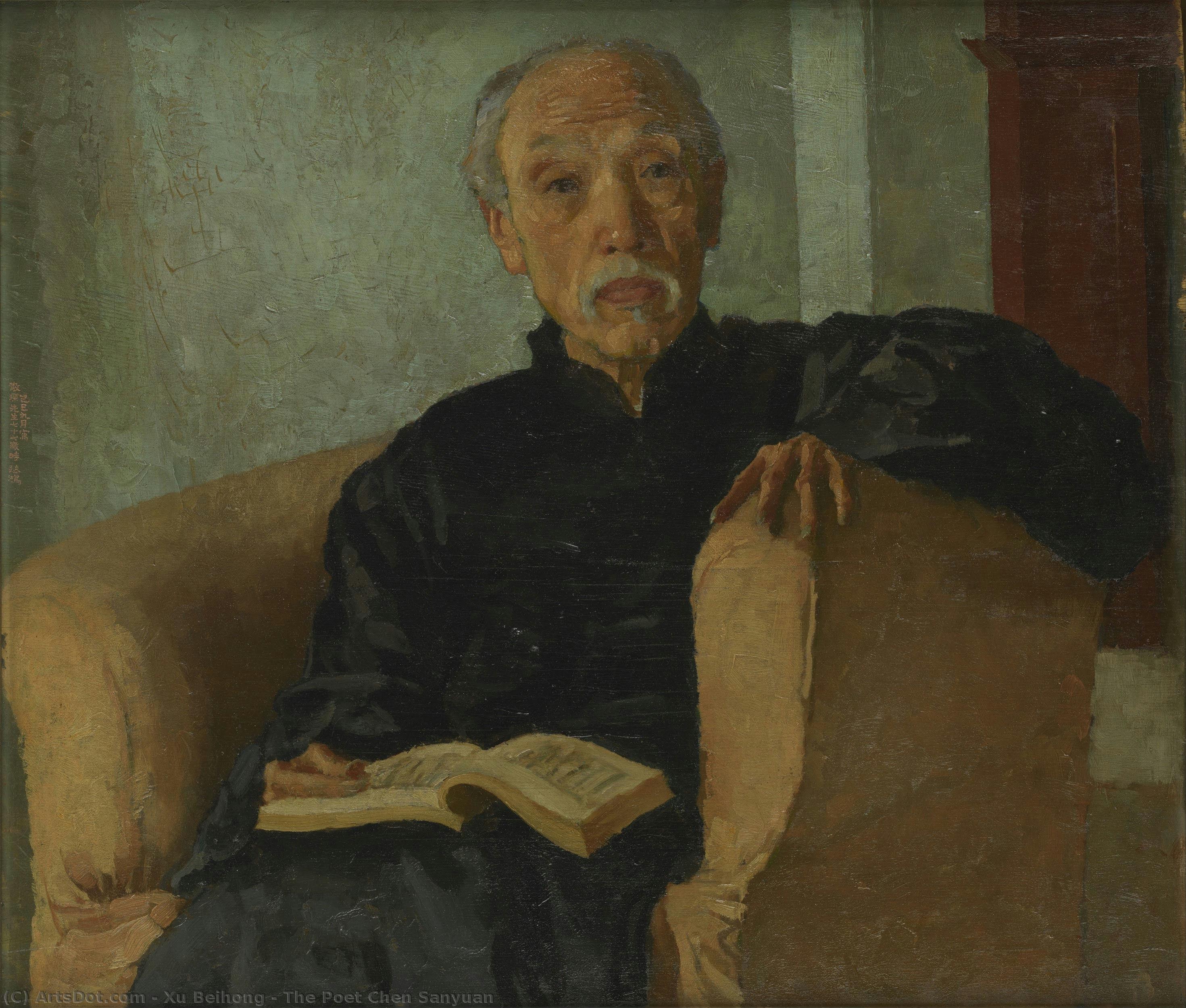
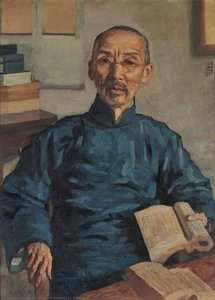
The Poet Chen Sanyuan


 Читать далее
Приобретите цифровое изображение высокого разрешения в улучшенном качестве, которое значительно превосходит онлайн-превью.
Каждый файл тщательно подготавливается нашими специалистами с использованием передовых инструментов и экспертной ручной ретуши. Мы гарантируем исключительную четкость, точную цветопередачу и детальную проработку каждого изображения.
Финальный файл доставляется по электронной почте в течение 72 часов и оптимизирован для немедленного использования в профессиональной среде, при верстке и печати. Это тот же уровень качества, которому доверяют ведущие дизайнерские студии, издательства и галереи.
Цифровое изображение
Скачайте файл высокого разрешения для личного использования, печати и творческих проектов. ( Перейти к печати Купить картину ручной работы)
Включено в каждый заказ цифровых изображений
Гарантия экспертной цифровой доставки
Выбирая ArtsDot.com, вы получаете не просто изображение — вы приобретаете профессионально обработанное цифровое произведение искусства, созданное с безупречной точностью и под защитой гарантии качества. Вот всё, что автоматически входит в ваш заказ:

Мгновенная доставка по e-mail
Ваш цифровой файл в высоком разрешении будет отправлен вам по электронной почте в течение 72 часов после оформления заказа — и сразу станет доступен для использования.

Цифровой файл с ИИ-улучшением
Ваше произведение искусства проходит профессиональную оптимизацию с использованием передовых инструментов ИИ и ручной обработки, что гарантирует максимальную детализацию, четкость и точность цветопередачи.

Бессрочная бесплатная повторная доставка
Случайно удалили или потеряли файл? Не беспокойтесь — мы отправим его вам повторно в любое время и совершенно бесплатно.

Без импортных пошлин — навсегда
Наслаждайтесь вашим произведением искусства мгновенно без таможенных пошлин, сборов или затрат на доставку — цифровые загрузки всегда не облагаются налогом.

Гарантия точности цветопередачи
Мы гарантируем, что ваше цифровое изображение максимально точно передает оригинальные цвета благодаря использованию профессиональных инструментов и систем управления цветом.

Гарантия удовлетворенности 100 дней
Если вы не будете удовлетворены своим цифровым изображением, мы внесем правки или вернем 100% стоимости в течение 100 дней — без лишних вопросов.

100% Гарантия возврата средств
Не удовлетворены покупкой? Получите полный возврат средств в течение 100 дней после получения цифрового файла — без лишних вопросов.

Скидки на оптовые заказы
Купите 3 изображения, сэкономьте 10% — Купите 5, сэкономьте 15% — Купите 10+, сэкономьте 20%. Отличное решение для творческих проектов, галерей и агентств.
The Poet Chen Sanyuan: A Portrait of Lost Legacy
- Xu Beihong’s “The Poet Chen Sanyuan” is more than just a portrait; it's a poignant elegy to a fading era, a testament to the enduring spirit of traditional Chinese poetry, and a masterful example of Xu Beihong’s unique artistic vision. Completed in 1930, this painting captures Chen Sanli (1853-1937), widely considered China's last traditional poet, in a moment of quiet contemplation – seated before a book, his white beard a symbol of wisdom and years spent immersed in verse. The artwork’s significance is deeply rooted in the tumultuous political landscape of early 20th century China, particularly the failed Hundred Days Reform, of which Chen Sanli was a key figure.
A Window into the Tongguang School and Xu Beihong's Innovation
Style & Technique: The painting exemplifies the stylistic characteristics of the Tongguang School, a movement that sought to modernize Chinese art while retaining its core values. Xu Beihong’s brushwork is characterized by a remarkable blend of realism and expressive dynamism. Notice how he renders Chen Sanli's face with meticulous detail – the wrinkles etched by time, the gentle curve of his lips – yet imbues the figure with an undeniable sense of vitality. The use of muted tones—primarily blacks, browns, and whites—creates a somber atmosphere, reflecting the poet’s age and the melancholy of his situation. The composition itself is carefully balanced, drawing the viewer's eye to Chen Sanli while subtly incorporating elements of the room – the chairs, couch, and clock – that ground the portrait in its historical context. This technique reflects Xu Beihong’s ambition to bridge Eastern and Western artistic traditions, a hallmark of his oeuvre.Historical Context & Symbolic Resonance
Subject Matter & Significance: Chen Sanli's life is inextricably linked to one of China’s most pivotal moments – the Hundred Days Reform of 1908-1909. As one of “The Four Sons of the Hundred Days Reform,” he represented a generation striving for modernization and reform within the confines of traditional Chinese society. His later years, spent observing from the sidelines during the Japanese occupation of Beiping (Beijing), culminating in his tragic death from starvation, add a layer of profound sadness to the portrait. The book held by Chen Sanli is not merely an object; it symbolizes his enduring commitment to poetry and intellectual pursuits – a defiant act against the encroaching darkness. The inclusion of the clock subtly underscores the passage of time and the fleeting nature of human existence, themes frequently explored in Chinese art and literature.Emotional Impact & Collector’s Appeal
- “The Poet Chen Sanyuan” possesses a powerful emotional resonance that transcends its historical subject matter. The painting evokes feelings of nostalgia, melancholy, and respect for intellectual integrity. Xu Beihong's masterful execution ensures that this reproduction will not only be a beautiful addition to any art collection but also a valuable piece of cultural heritage. Its depiction of a solitary figure grappling with profound questions about history and identity continues to resonate with viewers today. ArtsDot offers meticulously crafted hand-painted reproductions, allowing you to experience the full beauty and historical significance of this remarkable artwork in stunning detail.
Похожие произведения
Биография художника
A Pioneer Bridging Worlds: The Life and Art of Xu Beihong
Xu Beihong, born Xu Shoukang in 1895 in the tranquil town of Yixing, Jiangsu province, stands as a monumental figure in 20th-century Chinese art. His life was a compelling narrative of artistic evolution, dedicated to forging a new path for Chinese painting—one that harmoniously blended the rich traditions of his homeland with the innovations of Western art. From humble beginnings steeped in classical learning and traditional brushwork under the tutelage of his father, Xu Dazhang, a struggling artist himself, young Beihong’s early life was marked by both artistic promise and economic hardship. This formative period instilled within him not only technical skill but also a deep appreciation for Chinese culture and a resilient spirit that would define his career. The family's itinerant existence, painting portraits and landscapes to make ends meet, exposed him to the realities of rural China and fueled an early ambition to elevate the status of art and artists. A pivotal moment arrived when he adopted the name “Beihong,” meaning "sad wild goose," a reflection perhaps of his youthful anxieties and aspirations—a poignant symbol of both longing and determination.The European Awakening: Forging a New Artistic Vision
Driven by a thirst for knowledge and a desire to modernize Chinese art, Xu Beihong embarked on a transformative journey to Europe in 1917. Initially studying in Tokyo, he soon secured a coveted scholarship to the prestigious École Nationale Supérieure des Beaux-Arts in Paris. This period proved crucial in shaping his artistic philosophy and technique. Immersed in the heart of European art, he meticulously studied oil painting and drawing, mastering Western principles of perspective, composition, and realism. While embracing these new techniques, Xu Beihong remained critical of certain modernist trends prevalent at the time, favoring instead the classical traditions he encountered. He adopted the French name "Ju Péon" during his stay, a testament to his immersion in European culture—a deliberate choice that signaled his intention to synthesize Eastern and Western artistic approaches. However, it was not merely technical skill that he sought; he aimed to understand the underlying principles of Western art and adapt them to revitalize Chinese painting—a vision articulated in his later writings and teachings. This period laid the foundation for his unique artistic style, characterized by a powerful synthesis of Eastern aesthetics and Western techniques. He spent years absorbing the works of masters like Ingres and Delacroix, studying their meticulous draftsmanship and masterful use of light and shadow, but always with an eye toward translating these principles to the Chinese context.Iconic Motifs and Artistic Style: A Synthesis of East and West
Upon returning to China in 1927, Xu Beihong embarked on a prolific career marked by groundbreaking works that captured the spirit of a nation undergoing profound change. He quickly became renowned for his dynamic depictions of horses and birds—motifs that transcended mere representation to become powerful symbols of strength, freedom, and national pride. His horses, in particular, are celebrated for their muscularity, energy, and expressive power, often depicted galloping across vast landscapes with a sense of untamed spirit. Galloping Horse, perhaps his most iconic work, embodies this perfectly—a testament to the vitality and resilience of the Chinese people. The painting’s sweeping composition, dynamic brushwork, and powerful portrayal of movement capture the essence of Chinese heroism and national identity. Beyond these signature subjects, Xu Beihong also excelled in portraiture and historical painting, demonstrating his mastery of both oil painting and traditional ink wash techniques. His style was characterized by a unique blend of bold brushstrokes, precise delineation, and a masterful command of light and shadow. He seamlessly integrated Western perspective and composition into the fluidity of Chinese brushwork, creating a visual language that was both innovative and deeply rooted in tradition. Foolish Old Man Who Removed the Mountains, inspired by a traditional Chinese fable, exemplifies his ability to imbue classical themes with modern energy and social commentary—a testament to his intellectual depth and artistic versatility.Legacy and Influence: Shaping Modern Chinese Art Education
Xu Beihong’s impact extended far beyond his own artistic creations; he was also a pioneering art educator who profoundly shaped the development of modern Chinese art education. After returning to China, he held teaching positions at several prestigious universities, including National Central University and Peking University, where he tirelessly advocated for curriculum reform. He championed the incorporation of Western sketching and oil painting techniques into traditional Chinese art programs, believing that this integration was essential for revitalizing Chinese artistic expression. His approach wasn’t simply about adopting Western methods wholesale; rather, he sought to find a harmonious balance between Eastern aesthetics and Western techniques—a delicate dance of preservation and innovation. Following the founding of the People's Republic of China in 1949, he became president of the Central Academy of Fine Arts and chairman of the China Artists Association, further solidifying his influence on the nation’s artistic landscape. He trained generations of artists who went on to become leading figures in Chinese art, carrying forward his vision of a modern yet culturally grounded aesthetic. Xu Beihong's emphasis on artistic conception, the importance of life experiences, and the integration of Eastern and Western traditions left an indelible mark on Chinese art history, cementing his legacy as one of its most influential figures. His work continues to inspire artists and captivate audiences worldwide, serving as a powerful reminder of the enduring power of art to bridge cultures and transcend boundaries.Key Works
* Galloping Horse (1947): Arguably his most famous work, embodying Chinese strength and national spirit. * Foolish Old Man Who Removed the Mountains (1938): A masterful blend of traditional fable and modern artistic expression. * Portrait of Xu Beihong (1930s): A self-portrait reflecting his evolving artistic vision. * Numerous landscape paintings showcasing his mastery of Chinese ink wash techniques.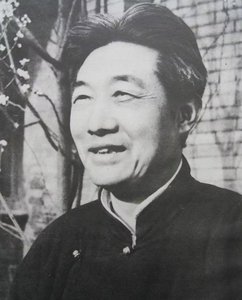
Су Беихон
1895 - 1953 , Китай
Основные сведения
- Artistic Movement Or Style: Современная китайская живопись
- Artists Or Movements Influenced By This Artist: ['Западное искусство']
- Date Of Birth: 19 июля 1895 г.
- Date Of Death: 26 сентября 1953 г.
- Full Name: Xu Beihong
- Nationality: Китайский
- Notable Artworks:
- Лошадь галопом
- Старик, убирающий горы
- Place Of Birth: Исинь, Китай