


 Предпросмотр
 Поделиться
 Поделиться
 Детали произведения

 Скачать
 Похожие работы
 Рентгенография
 Слайд-шоу
 Статистика
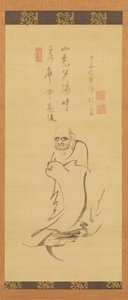
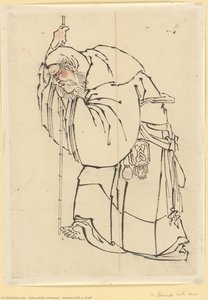
Attaining a Great Enlightenment upon Hearing the Sound of a Bamboo Hit by a Stone


 Читать далее
Приобретите цифровое изображение высокого разрешения в улучшенном качестве, которое значительно превосходит онлайн-превью.
Каждый файл тщательно подготавливается нашими специалистами с использованием передовых инструментов и экспертной ручной ретуши. Мы гарантируем исключительную четкость, точную цветопередачу и детальную проработку каждого изображения.
Финальный файл доставляется по электронной почте в течение 72 часов и оптимизирован для немедленного использования в профессиональной среде, при верстке и печати. Это тот же уровень качества, которому доверяют ведущие дизайнерские студии, издательства и галереи.
Цифровое изображение
Скачайте файл высокого разрешения для личного использования, печати и творческих проектов. ( Перейти к печати Купить картину ручной работы)
Включено в каждый заказ цифровых изображений
Гарантия экспертной цифровой доставки
Выбирая ArtsDot.com, вы получаете не просто изображение — вы приобретаете профессионально обработанное цифровое произведение искусства, созданное с безупречной точностью и под защитой гарантии качества. Вот всё, что автоматически входит в ваш заказ:

Мгновенная доставка по e-mail
Ваш цифровой файл в высоком разрешении будет отправлен вам по электронной почте в течение 72 часов после оформления заказа — и сразу станет доступен для использования.

Цифровой файл с ИИ-улучшением
Ваше произведение искусства проходит профессиональную оптимизацию с использованием передовых инструментов ИИ и ручной обработки, что гарантирует максимальную детализацию, четкость и точность цветопередачи.

Бессрочная бесплатная повторная доставка
Случайно удалили или потеряли файл? Не беспокойтесь — мы отправим его вам повторно в любое время и совершенно бесплатно.

Без импортных пошлин — навсегда
Наслаждайтесь вашим произведением искусства мгновенно без таможенных пошлин, сборов или затрат на доставку — цифровые загрузки всегда не облагаются налогом.

Гарантия точности цветопередачи
Мы гарантируем, что ваше цифровое изображение максимально точно передает оригинальные цвета благодаря использованию профессиональных инструментов и систем управления цветом.

Гарантия удовлетворенности 100 дней
Если вы не будете удовлетворены своим цифровым изображением, мы внесем правки или вернем 100% стоимости в течение 100 дней — без лишних вопросов.

100% Гарантия возврата средств
Не удовлетворены покупкой? Получите полный возврат средств в течение 100 дней после получения цифрового файла — без лишних вопросов.

Скидки на оптовые заказы
Купите 3 изображения, сэкономьте 10% — Купите 5, сэкономьте 15% — Купите 10+, сэкономьте 20%. Отличное решение для творческих проектов, галерей и агентств.
Похожие произведения





Биография художника
Yamaguchi Sekkei (Manzan Dohaku): A Legacy of Zen Practice and Artistic Expression
Yamaguchi Sekkei, known as Manzan Dohaku (卍山道白), was a pivotal figure in the early Edo period (1635-1715) Japanese Soto Buddhist tradition. Born in Hiroshima Prefecture, he initially pursued monastic life under the guidance of Dohan Issen at Ryuko-ji Temple, embarking on a journey that would ultimately solidify his role as a reformer and artist deeply connected to the core tenets of Zen philosophy. His secular name was Fujii, and he adopted the pen name Dojin Fukko, reflecting his dedication to contemplative practice and scholarly pursuits.- Early Life & Ordination: Sekkei’s formative years were marked by a profound immersion in Buddhist teachings from a young age. Entering Ryuko-ji Temple at just ten years old under Dohan Issen's tutelage established him on the path of Soto Zen, where he honed his understanding of meditation and monastic discipline under the influence of Bunshun Koshu and Soko Gesshu – masters who championed the revival of Dogen Zenji’s original teachings.
- Leadership at Daijoji Temple: Recognizing the importance of preserving tradition, Sekkei ascended to the position of Abbot of Daijoji Temple in Kaga Province (present-day Ishikawa Prefecture), a temple that held significant historical importance within the Soto sect. Alongside his mentor priest Soko and Zuiho Menzan, he spearheaded efforts to restore the sect’s lineage succession (*nin-po*) and regulations (*kiku*), addressing abuses prevalent during the period and reaffirming the primacy of menju shiho – a method of transmission emphasizing direct face-to-face instruction from teacher to disciple.
Artistic Output: Bamboo Enlightenment
Sekkei’s artistic endeavors stand as testament to his intellectual curiosity and spiritual conviction. Perhaps his most celebrated work is “Bamboo Enlightenment,” completed in 1715. This ink wash painting exemplifies the stylistic influences of Hagi Pottery Style, reflecting a harmonious blend of naturalism and meditative contemplation—characteristics central to Soto Zen aesthetics. The artwork depicts bamboo stalks swaying gently in the breeze, symbolizing resilience and adaptability – qualities valued within Zen practice as mirroring the journey toward enlightenment. It’s considered a masterpiece showcasing Sekkei's ability to translate philosophical concepts into visual form.- Hagi Pottery Style Influence: Sekkei’s artistic style draws heavily from Hagi pottery, known for its subtle earthy tones and organic forms. This stylistic choice underscores the Zen emphasis on simplicity and directness of perception.
- Symbolism & Meditation: The bamboo stalks themselves serve as a powerful symbol within Zen iconography, representing uprightness, strength, and unwavering devotion to Dharma—themes consistently explored in Sekkei’s artistic creations.
The Significance of Nin-Po Reform
Sekkei's advocacy for nin-po reform – prioritizing menju shiho overgaran ho (transmission through succession of abbatial office) – represents a crucial contribution to Soto Zen history. He argued that Dogen Zenji’s original teachings emphasized direct transmission from teacher to disciple, rejecting the hierarchical system that had emerged during Sekkei's time. This stance challenged established norms and reinvigorated faith in the sect’s foundational principles, solidifying Sekkei’s legacy as a champion of doctrinal purity and spiritual integrity.Legacy & Historical Context
Yamaguchi Sekkei’s influence extended beyond his artistic output and reform efforts; he profoundly shaped the trajectory of Soto Zen during the Edo period. His unwavering commitment to preserving Dogen Zenji's teachings and upholding ethical standards established Daijoji Temple as a beacon of tradition, ensuring its continuity through subsequent abbots. He remains an enduring symbol of Zen monasticism’s dedication to contemplation, scholarship, and safeguarding Dharma’s essence—a figure whose artistic vision continues to inspire appreciation for the intersection of Buddhist philosophy and visual art.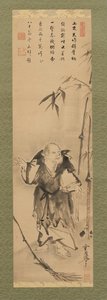
yamaguchi-sekkei, manzan-dohaku
1635 - 1715 , Japan
Основные сведения
- Artistic Movement Or Style: Ink Wash Painting
- Artists Or Movements Influenced By This Artist: ['Hagi Pottery Style']
- Artists Who Influenced This Artist: ['Dohan Issen']
- Date Of Birth: Hiroshima Prefecture, Japan (1635)
- Date Of Death: 1715
- Full Name: yamaguchi-sekkei, manzan-dohaku
- Nationality: Japanese
- Notable Artworks: ['Attaining a Great Enlightenment Upon Hearing the Sound of a Bamboo Hit by Stone']
- Place Of Birth: Hiroshima Prefecture