Предпросмотр
 Поделиться
 Поделиться
 Детали произведения

 Скачать
 Похожие работы
 Рентгенография
 Слайд-шоу
 Статистика
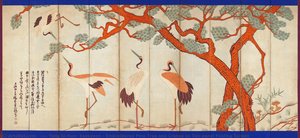
Embroidered Pine Tree and Cranes on Ten-panel Folding Screen

 Читать далее
Масляная репродукция ручной работы
Картина маслом на холсте в выбранном вами размере и раме, написанная на заказ нашими художниками. ( Перейти к печати Перейти к цифровым изображениям)
































Выберите один из наших стандартных размеров, соответствующих оригинальным пропорциям произведения искусства.

Вы можете указать собственные размеры, чтобы картина идеально вписалась в выбранную раму или пространство. Если выбранный вами размер не соответствует пропорциям оригинала, мы либо обрежем полотно, либо расширим его за счет дополнительных элементов, написанных вручную. Цифровой макет будет отправлен вам на утверждение перед началом производства.
Обратите внимание, что предварительный просмотр на экране не отражает фактическую обрезку или расширение. Только макет точно покажет окончательную композицию.
Хотя доступны индивидуальные размеры, мы рекомендуем выбирать вариант из предопределенного списка, чтобы сохранить исходные пропорции.
После оформления заказа команда ArtsDot.com свяжется с клиентом по электронной почте для уточнения деталей и предоставит предварительный макет
Доставка по всему миру () за 3–4 недели вместо стандартных 5 недель. (17 Сентябрь). Без компромиссов в качестве.

Бесплатная экспресс-доставка по всему миру

Высококачественный льняной холст

Полное страхование доставки

Гарантия возмещения таможенных пошлин

Гарантия точного соответствия цветов

100-дневная политика возврата (только при обнаружении дефектов)

Гарантия возврата 100% средств

Предложение оптовых скидок
 Вариант со стеклом доступен только для размеров менее 110 см

Embroidered Pine Tree and Cranes on Ten-panel Folding Screen
Техника репродукции
Размер репродукции
-


Итоговая стоимость
$ 263
Похожие произведения



Биография художника
A Legacy Woven in Silk: The Art of Yang Ki-Hun, Seokyeon
Yang Ki-Hun, also known as Seokyeon, is a contemporary Korean artist whose work breathes new life into the ancient tradition of Korean embroidery. While biographical details remain scarce – a testament to the artist’s focus on the artwork itself rather than personal renown – his impact on the world of textile art is undeniable. He stands as a vital link between centuries-old techniques and modern aesthetic sensibilities, creating pieces that are both deeply rooted in cultural heritage and strikingly contemporary in their vision. His work isn't merely decorative; it’s a profound meditation on nature, symbolism, and the meticulous artistry inherent in Korean craftsmanship.The Art of Embroidery: A Tradition Reimagined
Korean embroidery, or sujek, has a rich history stretching back centuries, initially serving as adornment for royal garments and religious artifacts. Traditionally, it was practiced by women within the court and noble families, passed down through generations as a closely guarded skill. Yang Ki-Hun’s work honors this legacy while simultaneously pushing its boundaries. He is particularly renowned for his large-scale folding screens, most notably his *Embroidered Pine Tree and Cranes on Ten-panel Folding Screen*. These are not delicate miniatures but monumental works that command attention with their size and intricate detail. The pine tree, a symbol of longevity and resilience in Korean culture, frequently appears in his compositions, often paired with cranes – emblems of happiness and eternal life. He employs vibrant colors and complex stitching techniques to create textures and depth rarely seen in traditional embroidery, elevating the medium beyond its conventional role.Symbolism and Technique: A Harmonious Blend
The power of Yang Ki-Hun’s art lies not only in his technical mastery but also in his thoughtful use of symbolism. The motifs he chooses – pine trees, cranes, flowers, clouds – are all deeply embedded within the Korean cultural lexicon. Each element carries layers of meaning, contributing to a narrative that speaks to themes of prosperity, peace, and harmony with nature. His technique is equally significant. He doesn’t simply replicate traditional patterns; instead, he reimagines them, often incorporating elements of painting and calligraphy into his embroidery. The sheer scale of his works requires immense patience and precision, demanding countless hours of painstaking labor. This dedication to the process itself imbues each piece with a sense of reverence and spiritual depth.Historical Significance and Contemporary Relevance
In an era dominated by mass production and digital art forms, Yang Ki-Hun’s work stands as a powerful reminder of the value of handcrafted artistry. He is part of a growing movement within Korea to preserve and revitalize traditional crafts, ensuring that these skills are not lost to future generations. His pieces have garnered international recognition, introducing Korean embroidery to a wider audience and challenging conventional notions of what textile art can be. By seamlessly blending tradition with innovation, Yang Ki-Hun has established himself as a leading figure in contemporary Korean art, his work serving as both a tribute to the past and a beacon for the future.Major Achievements
- Revitalization of Sujek: He is instrumental in bringing renewed attention to the traditional Korean embroidery technique.
- Monumental Scale: His large-scale folding screens are unique and impressive within the art world.
- Symbolic Depth: The incorporation of meaningful Korean motifs adds layers of cultural significance to his work.
- International Recognition: He has successfully introduced Korean embroidery to a global audience.