

 Предпросмотр
 Поделиться
 Поделиться
 Детали произведения

 Скачать
 Похожие работы
 Рентгенография
 Слайд-шоу
 Статистика
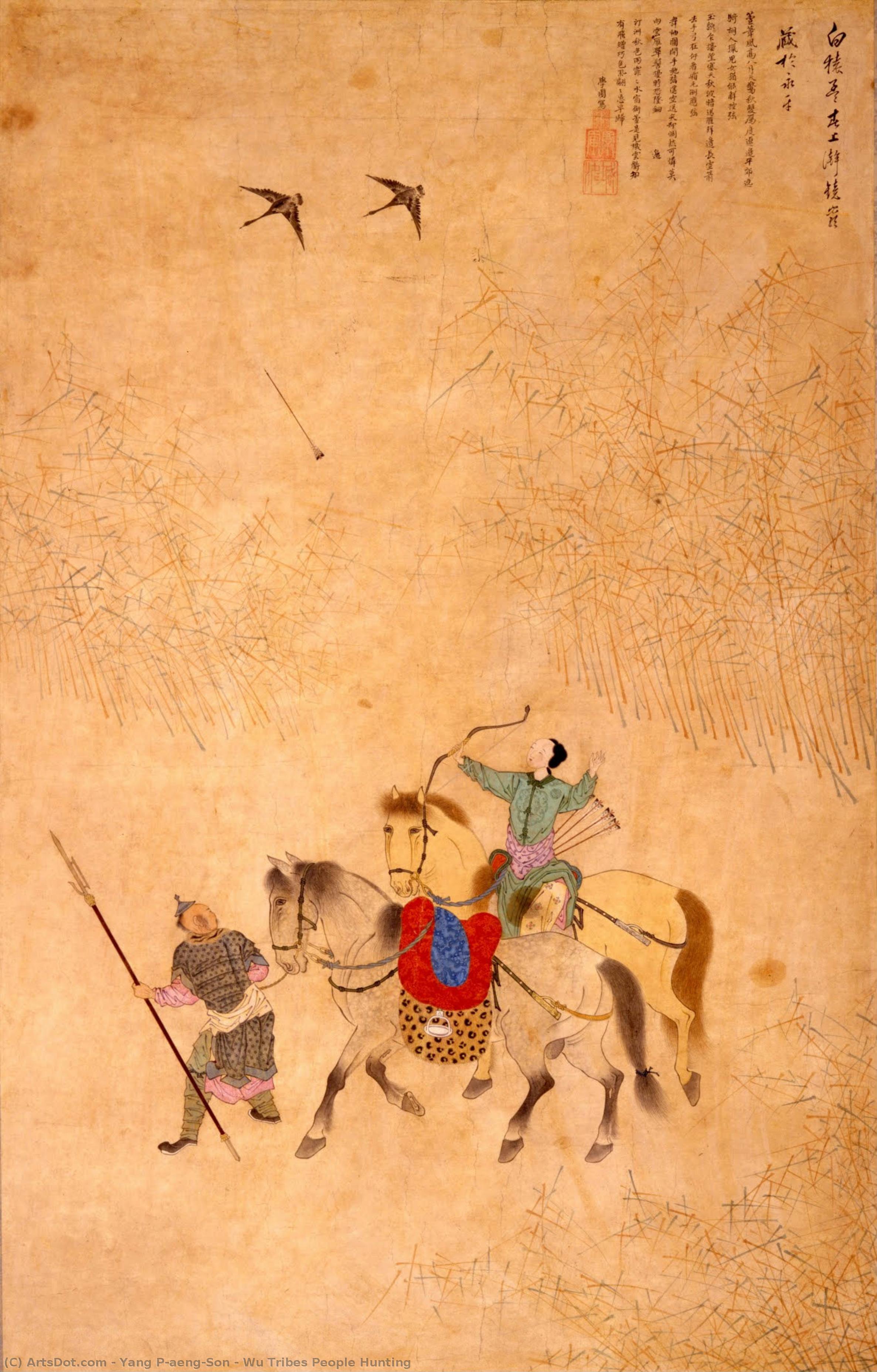
Wu Tribes People Hunting
 82.0 x 129.0 cm
 Fukuoka Art Museum
 Читать далее
Приобретите цифровое изображение высокого разрешения в улучшенном качестве, которое значительно превосходит онлайн-превью.
Каждый файл тщательно подготавливается нашими специалистами с использованием передовых инструментов и экспертной ручной ретуши. Мы гарантируем исключительную четкость, точную цветопередачу и детальную проработку каждого изображения.
Финальный файл доставляется по электронной почте в течение 72 часов и оптимизирован для немедленного использования в профессиональной среде, при верстке и печати. Это тот же уровень качества, которому доверяют ведущие дизайнерские студии, издательства и галереи.
Цифровое изображение
Скачайте файл высокого разрешения для личного использования, печати и творческих проектов. ( Перейти к печати Купить картину ручной работы)
Включено в каждый заказ цифровых изображений
Гарантия экспертной цифровой доставки
Выбирая ArtsDot.com, вы получаете не просто изображение — вы приобретаете профессионально обработанное цифровое произведение искусства, созданное с безупречной точностью и под защитой гарантии качества. Вот всё, что автоматически входит в ваш заказ:

Мгновенная доставка по e-mail
Ваш цифровой файл в высоком разрешении будет отправлен вам по электронной почте в течение 72 часов после оформления заказа — и сразу станет доступен для использования.

Цифровой файл с ИИ-улучшением
Ваше произведение искусства проходит профессиональную оптимизацию с использованием передовых инструментов ИИ и ручной обработки, что гарантирует максимальную детализацию, четкость и точность цветопередачи.

Бессрочная бесплатная повторная доставка
Случайно удалили или потеряли файл? Не беспокойтесь — мы отправим его вам повторно в любое время и совершенно бесплатно.

Без импортных пошлин — навсегда
Наслаждайтесь вашим произведением искусства мгновенно без таможенных пошлин, сборов или затрат на доставку — цифровые загрузки всегда не облагаются налогом.

Гарантия точности цветопередачи
Мы гарантируем, что ваше цифровое изображение максимально точно передает оригинальные цвета благодаря использованию профессиональных инструментов и систем управления цветом.

Гарантия удовлетворенности 100 дней
Если вы не будете удовлетворены своим цифровым изображением, мы внесем правки или вернем 100% стоимости в течение 100 дней — без лишних вопросов.

100% Гарантия возврата средств
Не удовлетворены покупкой? Получите полный возврат средств в течение 100 дней после получения цифрового файла — без лишних вопросов.

Скидки на оптовые заказы
Купите 3 изображения, сэкономьте 10% — Купите 5, сэкономьте 15% — Купите 10+, сэкономьте 20%. Отличное решение для творческих проектов, галерей и агентств.
Похожие произведения

Биография художника
Lorenzo Lotto: A Master of Venetian Intimacy
Lorenzo Lotto, a name largely absent from the grand narratives of the Renaissance, nevertheless stands as one of its most compelling and profoundly personal figures. Born around 1480 in Venice – though his precise birthplace remains shrouded in some mystery – and tragically dying in 1556/57 in Loreto, Italy, Lotto’s life was a testament to a career dedicated not to courtly grandeur or monumental commissions, but to the intimate portrayal of human experience. He wasn't a revolutionary innovator like Raphael or Michelangelo; instead, he cultivated a distinctive style deeply rooted in Venetian tradition yet imbued with an unparalleled sensitivity and psychological depth that continues to captivate viewers today. His legacy lies less in grand schemes and more in the quiet power of his portraits and religious scenes – windows into the souls of his subjects.Early Life and Influences: A Shadowed Beginning
The details surrounding Lotto’s formative years are frustratingly sparse. Unlike many artists of his era, biographical information about him is remarkably limited. It's believed he began his training in Venice, likely under the tutelage of Giovanni Bellini, a master whose influence on Lotto’s early work is undeniable. The *Virgin and Child with St. Jerome* (1506), housed at the National Gallery of Scotland, provides compelling evidence of this connection – the composition, color palette, and overall mood resonate strongly with Bellini's style. However, Lotto quickly developed his own voice, diverging from Bellini’s more formal approach to embrace a greater degree of naturalism and emotional intensity. The early works attributed to him—including the *Annunciation* in the Museo Civico di Treviso – demonstrate a fascination with detail and an emerging ability to capture fleeting expressions, hinting at a nascent talent for psychological realism. Crucially, Lotto’s training wasn't solely Venetian; he spent time in Bergamo, absorbing influences from the Lombard Renaissance, particularly the work of Andrea Mantegna, whose meticulous draftsmanship and dramatic use of light undoubtedly shaped his artistic development.The Flourishing of a Distinctive Style: Frescoes and Portraits
Lotto’s career truly blossomed during the 1520s and 30s, as he established himself as a sought-after painter in various northern Italian cities – Treviso, Rome, Florence, Pesaro, Ancona, and finally Loreto. He excelled particularly in two distinct genres: large-scale frescoes and intimate portraits. His frescoes are characterized by their dramatic compositions, vibrant colors, and a remarkable ability to imbue religious scenes with palpable emotion. The *Visitation* (1527–28) in the Church of Santa Maria Maggiore in Bergamo exemplifies this perfectly – the figures seem caught in a moment of intense contemplation, their faces etched with vulnerability and grace. However, it is perhaps in his portraits that Lotto truly shines. He possessed an extraordinary gift for capturing not just physical likeness but also the inner character of his subjects. His *Portrait of Guidobaldo da Montefeltro* (c. 1483), a masterpiece housed at the National Gallery of Art in Washington D.C., is a prime example – the elderly Duke’s face, rendered with astonishing tenderness and detail, conveys a profound sense of wisdom, melancholy, and quiet dignity. Lotto's portraits were not merely representations; they were intimate studies of human personality, revealing the complexities of age, experience, and emotion.Technique and Innovation: A Subtle Approach
While Lotto didn’t radically depart from established artistic conventions, he employed a unique set of techniques that contributed significantly to his distinctive style. He was a master of *sfumato*, the subtle blurring of outlines and colors characteristic of Leonardo da Vinci's work, using it to create an atmospheric depth and softness in his paintings. However, unlike Leonardo, Lotto’s use of *sfumato* was less about creating an illusionistic effect and more about conveying a sense of emotional ambiguity and psychological nuance. He also favored the use of tempera on panel, a medium that allowed him to achieve remarkable detail and luminosity. Notably, he largely avoided oil paint, a technique increasingly popular among his contemporaries, perhaps preferring the more immediate and expressive qualities of tempera. Lotto’s meticulous draftsmanship—evident in his preparatory drawings—demonstrates an obsessive attention to detail, reflecting his commitment to capturing the most subtle nuances of human expression.Legacy and Historical Significance
Despite being largely overlooked during his lifetime, Lorenzo Lotto has experienced a remarkable resurgence in critical appreciation over the past century. His paintings are now recognized as some of the most profoundly moving and psychologically astute works of the Italian Renaissance. Lotto’s enduring appeal lies in his ability to connect with viewers on an emotional level – his portraits offer glimpses into the lives and souls of ordinary people, while his religious scenes resonate with a deep sense of humanity. He represents a counterpoint to the grand narratives of the High Renaissance, offering instead a quieter, more intimate exploration of the human condition. His work serves as a poignant reminder that true artistic greatness doesn't always reside in monumental scale or revolutionary innovation, but often in the quiet power of observation, empathy, and a profound understanding of the complexities of human experience. Today, Lotto’s paintings are treasured for their beauty, their psychological depth, and their enduring ability to evoke a sense of wonder and contemplation.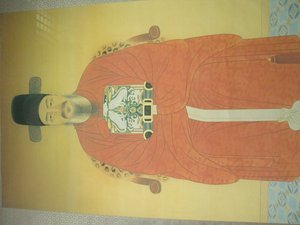
yang p'aeng-son
1480 - 1545 , South Korea
Основные сведения
- Artistic Movement Or Style: High Renaissance
- Artists Or Movements Influenced By This Artist:
- Venetian School
- Mannerism
- Artists Who Influenced This Artist:
- Giovanni Bellini
- Giorgione
- Date Of Birth: c. 1480
- Date Of Death: 1556/57
- Full Name: Lorenzo Lotto
- Nationality: Italian Renaissance
- Notable Artworks:
- The Holy Family
- Portrait of Guidobaldo da Montefeltro
- Self-portrait at the age of thirteen
- Place Of Birth: Venice, Italy