

 Предпросмотр
 Поделиться
 Поделиться
 Детали произведения

 Скачать
 Похожие работы
 Рентгенография
 Слайд-шоу
 Статистика
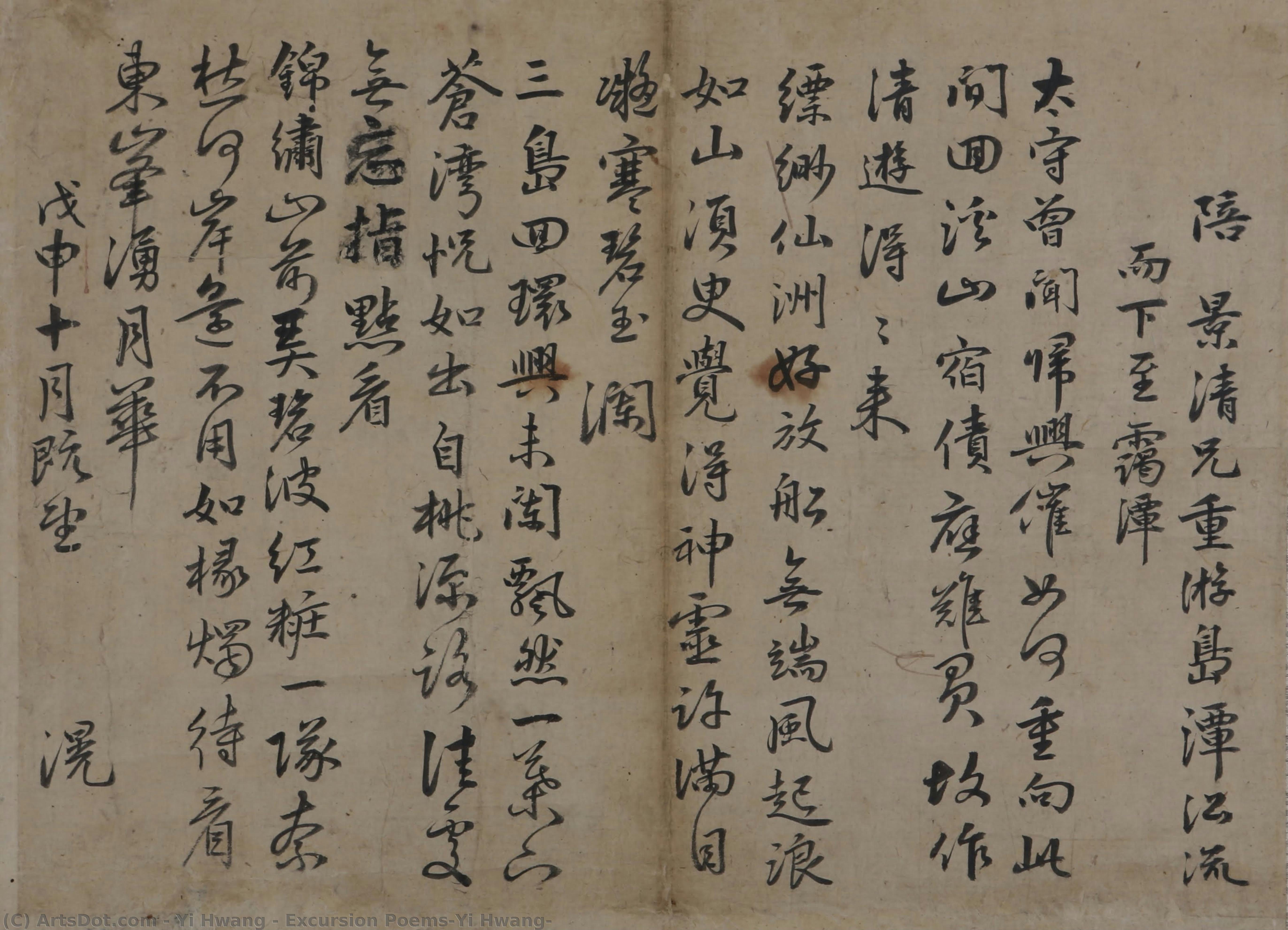
Excursion Poems(Yi Hwang)


 Читать далее
Масляная репродукция ручной работы
Картина маслом на холсте в выбранном вами размере и раме, написанная на заказ нашими художниками. ( Перейти к печати Перейти к цифровым изображениям)




































Выберите один из наших стандартных размеров, соответствующих оригинальным пропорциям произведения искусства.

Вы можете указать собственные размеры, чтобы картина идеально вписалась в выбранную раму или пространство. Если выбранный вами размер не соответствует пропорциям оригинала, мы либо обрежем полотно, либо расширим его за счет дополнительных элементов, написанных вручную. Цифровой макет будет отправлен вам на утверждение перед началом производства.
Обратите внимание, что предварительный просмотр на экране не отражает фактическую обрезку или расширение. Только макет точно покажет окончательную композицию.
Хотя доступны индивидуальные размеры, мы рекомендуем выбирать вариант из предопределенного списка, чтобы сохранить исходные пропорции.
После оформления заказа команда ArtsDot.com свяжется с клиентом по электронной почте для уточнения деталей и предоставит предварительный макет
Доставка по всему миру () за 3–4 недели вместо стандартных 5 недель. (11 Сентябрь). Без компромиссов в качестве.

Бесплатная экспресс-доставка по всему миру

Высококачественный льняной холст

Полное страхование доставки

Гарантия возмещения таможенных пошлин

Гарантия точного соответствия цветов

100-дневная политика возврата (только при обнаружении дефектов)

Гарантия возврата 100% средств

Предложение оптовых скидок
 Вариант со стеклом доступен только для размеров менее 110 см

Excursion Poems(Yi Hwang)
Техника репродукции
Размер репродукции
-


Итоговая стоимость
$ 263
Похожие произведения









Биография художника
The Soul of Korean Landscape Painting
In the quiet, mist-shrouded valleys of Andong, a legacy was forged that would define the spiritual and intellectual landscape of Korea for centuries. Yi Hwang, known to history by his art name Toegye, was far more than a mere painter; he was a profound philosopher whose brushstrokes served as an extension of his Neo-Confucian soul. Born in 1501 during the Joseon Dynasty, Yi Hwang emerged as a child prodigy, deeply immersed in the scholarly traditions of his lineage. His life was a seamless tapestry where the rigorous pursuit of moral truth and the delicate observation of nature were indistinguishable. To look upon a landscape by Toegye is not merely to view a depiction of mountains and rivers, but to witness a meditative dialogue between the human spirit and the cosmic order.
The foundations of his artistry were laid within the scholarly atmosphere of his youth, shaped by a family dedicated to intellectual excellence. As he mastered the intricate complexities of Neo-Confucianism—a philosophy emphasizing harmony, ethical conduct, and the cultivation of inner virtue—his artistic vision began to take shape. He did not seek the flamboyant or the ornate; instead, he found divinity in the understated. His work was deeply influenced by the teachings of Zhu Xi, seeking to capture the li, or the underlying principle, of all living things. This philosophical depth meant that every tree, rock, and stream in his compositions carried a weight of symbolic significance, representing the eternal rhythms of the universe.
A Symphony of Stillness and Simplicity
Toegye’s artistic style is a masterclass in tranquility and balance. While other traditions might have leaned toward dramatic tension, Yi Hwang favored a sense of profound stillness that invites the viewer into a state of contemplation. His technique was characterized by a remarkable simplicity, utilizing subtle variations in light and shadow to breathe life into his subjects. He meticulously studied the natural world, observing how the soft light of dawn or the heavy mist of a mountain pass could alter the essence of a landscape. Through these delicate observations, he achieved an unparalleled ability to distill complex philosophical concepts into visual forms.
His most celebrated achievement, the “Album of Landscapes,” stands as a testament to his ability to harmonize the physical and the metaphysical. In these works, the compositions are intentionally balanced, avoiding overwhelming the eye, much like the balanced life of a scholar-official. The following elements define his unique aesthetic approach:
- Minimalist Composition: A preference for understated arrangements that prioritize clarity and serenity over decorative complexity.
- Spiritual Essence: The use of ink and space to convey not just the visual appearance of nature, but its spiritual vitality.
- Natural Harmony: An emphasis on the interconnectedness of all elements within the landscape, mirroring the Confucian ideal of a harmonious society.
A Lasting Legacy in Ink and Thought
The historical significance of Yi Hwang extends far beyond the borders of the Korean peninsula. As a scholar, his influence reached into Japan, Taiwan, and Vietnam, shaping the intellectual currents of East Asia. His literary contributions, such as the Ten Diagrams on Sage Learning, remain monumental works of pedagogical importance. Even today, his presence is woven into the very fabric of Korean identity; his portrait graces the 1000 won banknote, a constant reminder of his enduring importance to the nation's cultural heritage.
The sites associated with his life, such as the Dosan Seowon academy, continue to stand as monuments to his devotion to learning and nature. To study the work of Yi Hwang is to embark on a journey through the heart of the Joseon era—a journey where the boundaries between the scholar's study and the wild mountain path dissolve into a single, beautiful truth. His art remains a sanctuary for those seeking peace in an increasingly turbulent world, offering a timeless glimpse into the harmony of the cosmos.
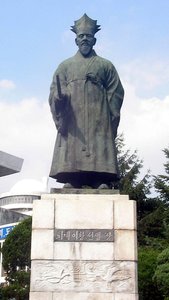
yi hwang
1501 - 1570 , South Korea
Основные сведения
- Artistic Movement Or Style: Neo-Confucianism
- Artists Or Movements Influenced By This Artist: ['Yeongnam School']
- Artists Who Influenced This Artist: ['Zhu Xi']
- Date Of Birth: 1501
- Date Of Death: 1570
- Full Name: Yi Hwang (Toegye)
- Nationality: Korean
- Notable Artworks: ["Toegye's Album"]
- Place Of Birth: Andong, South Korea