

 Предпросмотр
 Поделиться
 Поделиться
 Детали произведения

 Скачать
 Похожие работы
 Рентгенография
 Слайд-шоу
 Статистика
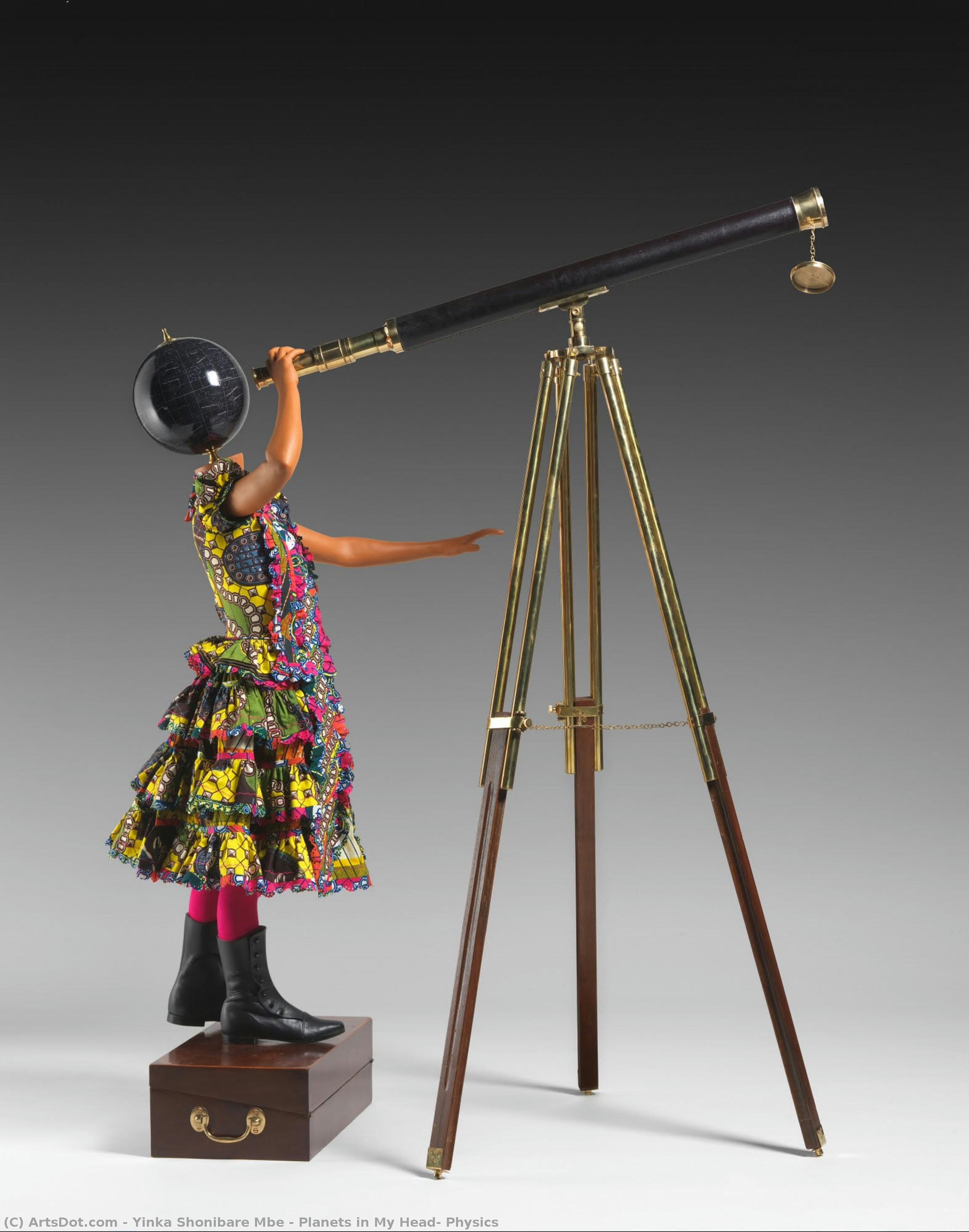
Planets in My Head, Physics


 Читать далее
Жикле / Арт-принт
Печать (жикле) или холст музейного качества с быстрыми сроками изготовления и широким выбором вариантов отделки. ( Купить картину ручной работы Перейти к цифровым изображениям)




































Выберите один из наших стандартных размеров, соответствующих оригинальным пропорциям произведения искусства.

Вы можете указать свои собственные размеры, чтобы репродукция идеально подошла под конкретную раму или пространство. Если выбранный вами размер не будет соответствовать пропорциям оригинала, мы либо обрежем произведение, либо дополним изображение зеркальным отражением краев или однотонной заливкой. Перед началом производства вам будет отправлен цифровой макет для утверждения.
Пожалуйста, обратите внимание, что предварительный просмотр на экране не отображает фактическую обрезку или расширение изображения. Только макет точно покажет финальную композицию.
Несмотря на возможность заказа индивидуальных размеров, мы рекомендуем выбирать размер из предопределенного списка, чтобы сохранить оригинальные пропорции.
Доставка по всему миру () за 2 недели вместо стандартных 4/5 недель. (13 Сентябрь)

Бесплатная экспресс-доставка по всему миру

Высококачественный льняной холст

Полное страхование доставки

Гарантия возмещения таможенных пошлин

Гарантия точного соответствия цветов

100-дневная политика возврата (только при обнаружении дефектов)

Гарантия возврата 100% средств

Предложение оптовых скидок
 Вариант со стеклом доступен только для размеров менее 110 см

Planets in My Head, Physics
Жикле / Арт-принт
Размер репродукции
-


Итоговая стоимость
$ 62
Yinka Shonibare MBE: "Planets in My Head, Physics" - A Whimsical Exploration of Knowledge
- Overview: Yinka Shonibare MBE's "Planets in My Head, Physics," created in 2010, is a captivating sculpture that blends childhood wonder with the vastness of scientific inquiry. The piece presents a young girl seemingly observing the cosmos through a telescope affixed to her head, creating a surreal and thought-provoking image.
Composition & Materials: A Harmonious Blend
- Visual Structure: The sculpture is thoughtfully composed, with the figure of the young girl as its central focus. The telescope dominates the upper portion of the frame, while diagonal lines created by the pole and tripod add dynamism to the scene. The girl's pose, reaching out to adjust the telescope, further enhances this sense of movement.
- Material Palette: Shonibare masterfully combines various materials. The girl’s dress is crafted from vibrant Ankara fabric – a key element in his artistic practice – while the telescope and tripod are constructed from polished metal. A wooden base and clocks add further textural contrast, and a globe affixed to the girl's head suggests a connection between her thoughts and the cosmos.
Symbolism & Historical Context: Colonialism and Intellectual Curiosity
- Decolonizing Identity: Shonibare’s signature use of Ankara fabric, despite its association with African culture, carries a complex history rooted in Dutch manufacturing and Indonesian batik techniques. This deliberate choice challenges notions of cultural authenticity and highlights the complexities of colonialism and globalization.
- Knowledge & Exploration: The globe attached to the girl's head is inscribed with the names of prominent physicists and astronomers from diverse backgrounds, symbolizing knowledge, dreams, and inner worlds. It suggests a connection between childhood curiosity and the pursuit of scientific understanding across cultures and time periods. The clocks in the background subtly hint at the passage of time and the ongoing quest for discovery.
- Victorian Influence: The girl's dress evokes Victorian aesthetics, blending historical references with contemporary artistic practices. This juxtaposition creates a sense of timelessness and invites viewers to consider the enduring power of imagination and intellectual exploration.
Emotional Impact & Artistic Style
- Surreal Whimsy: The photograph capturing the sculpture, predominantly in black and white, lends a formal and slightly surreal quality to the image. This monochromatic palette emphasizes textures and shapes, enhancing the overall visual impact.
- Thought-Provoking Narrative: "Planets in My Head, Physics" evokes a sense of wonder and invites contemplation on themes of knowledge, identity, and the boundless potential of human curiosity. The sculpture’s whimsical nature is tempered by its underlying intellectual depth, making it both visually appealing and intellectually stimulating.
- Artist's Background: Shonibare's personal experiences, including his contracting transverse myelitis at a young age, profoundly influence his artistic process. His collaboration with assistants to physically create his works underscores the collaborative nature of his artmaking.
Похожие произведения
Биография художника
A Life Interwoven: The Art of Yinka Shonibare MBE
Yinka Shonibare’s artistic journey is one profoundly shaped by displacement, identity, and a keen interrogation of history. Born in London in 1962 to Nigerian parents, his early life was marked by a geographical and cultural shift when the family relocated to Lagos at the age of three. This formative period instilled within him an awareness of belonging – and not belonging – that would become central to his artistic explorations. Returning to Britain for his education, attending Redrice School before pursuing Fine Art at Byam Shaw School of Art (now Central Saint Martins) and Goldsmiths, University of London, Shonibare began to articulate a visual language rooted in this complex interplay of cultures. A pivotal moment arrived at eighteen when he contracted transverse myelitis, resulting in paralysis on one side of his body. This physical challenge didn’t halt his creative drive but fundamentally altered his artistic process; he now collaborates with assistants to realize his ambitious visions, transforming limitation into a unique mode of production and emphasizing the collaborative nature of authorship itself.Deconstructing Colonial Narratives
Shonibare's signature aesthetic revolves around the captivating use of brightly colored Ankara fabrics – often referred to as “Dutch wax prints.” These textiles, seemingly emblematic of African culture, possess a surprisingly convoluted history. Originating in Indonesian batik techniques, they were adapted and mass-produced by Dutch manufacturers for export to West Africa, becoming symbols not of authentic tradition but of colonial trade and cultural appropriation. This inherent contradiction is the very core of Shonibare’s artistic power. He doesn't simply *use* these fabrics; he dissects their layered meanings, exposing the complexities of globalization, identity construction, and the enduring legacy of colonialism. His work spans a diverse range of media – painting, sculpture, photography, film, and installation art – each serving as a vehicle for this critical examination. Initially focusing on portraiture to explore themes of race and identity, Shonibare’s practice evolved into a broader critique of power dynamics and cultural exchange. He frequently references and reinterprets iconic works from Western art history, subtly subverting their original narratives and challenging established canons.Landmark Creations & Global Recognition
Several key works have cemented Shonibare's position as one of the most important contemporary artists working today. Gallantry and Criminal Conversation (2002), commissioned for documenta XI, propelled him to international acclaim. This installation reimagines 19th-century European aristocratic scenes – complete with opulent furnishings and elegant figures – entirely clad in Ankara fabrics. The result is a jarring yet compelling juxtaposition that dismantles notions of power, class, and historical authenticity. Nelson's Ship in a Bottle (2010), a commission for the Fourth Plinth in Trafalgar Square, became an instant landmark and sparked widespread public debate. This miniature replica of HMS Victory – Admiral Nelson’s flagship – encased within a bottle is a potent symbol of British naval dominance and colonial expansion, rendered fragile and contained. His ongoing series of large-scale wind sculptures, resembling billowing sails, are exhibited globally, embodying movement, migration, and the interconnectedness of trade routes. These works aren't merely visually striking; they carry a weight of historical resonance, prompting viewers to contemplate the forces that have shaped our world.Honors & Enduring Influence
Yinka Shonibare’s contributions to contemporary art haven’t gone unnoticed. He was awarded an MBE in 2004 and a CBE in 2019, recognizing his significant cultural impact. His election as a Royal Academician in 2013 further solidified his standing within the artistic establishment, and he holds honorary doctorates from the Royal College of Art. Beyond his individual achievements, Shonibare actively fosters creativity through initiatives like Guest Projects, providing a platform for emerging artists to develop their work. He is considered one of the most important contemporary artists working today, significantly contributing to critical dialogues surrounding postcolonialism, globalization, and cultural identity. By challenging conventional narratives and employing a visually arresting aesthetic, he engages audiences in meaningful conversations about history, power, representation, and the complexities of belonging in an increasingly interconnected world. His work continues to push boundaries, prompting us to question our assumptions and reconsider the stories we tell ourselves about the past – and the present.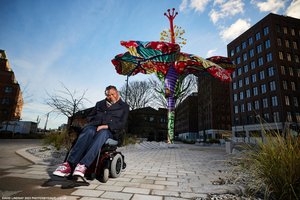
Yinka Shonibare MBE
1962 - , United Kingdom
Основные сведения
- Artistic Movement Or Style: Postcolonial art
- Artists Or Movements Influenced By This Artist: Contemporary artists
- Date Of Birth: 1962
- Full Name: Yinka Shonibare MBE
- Nationality: British-Nigerian
- Notable Artworks:
- Gallantry & Criminal Conversation
- Nelson's Ship in a Bottle
- Wind Sculptures
- Planets in My Head, Physics
- Sleep of Reason (Europe)
- Sleep of Reason (Australia)
- Place Of Birth: London, UK
Похожие статьи

10 легендарных бронзовых шедевров, изменивших искусство | ArtsDot
Погрузитесь в мир великих бронзовых шедевров! От Давида Донателло до Мыслителя Родена – узнайте историю создания, технику и значение легендарных скульптур. Вдохновение для интерьера и музейное качество репродукций на ArtsDot.com.

The Enduring Form: Exploring Themes & Techniques in Sculpture Across Historical Periods
Explore the rich history of sculpture from ancient masterpieces to contemporary innovations. Discover key techniques, influential artists & investment potential for discerning art collectors.

The Enduring Form: Sculpture Across History, Technique & Emotional Resonance
Explore the rich history of sculpture with ArtsDot. Discover key techniques, influential artists & investment potential for discerning collectors. Expert insights into valuing and collecting timeless masterpieces.
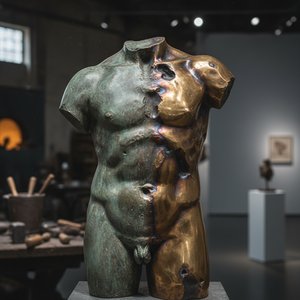
Непреходящее наследие бронзовой скульптуры: история, техники и современные интерпретации
Узнайте историю бронзовой скульптуры, техники литья и советы по коллекционированию от экспертов. Откройте для себя вечное искусство бронзы!

10 легендарных бронзовых скульптур, изменивших искусство навсегда | ArtsDot
Погрузитесь в мир великих бронзовых скульптур! От Давида Микеланджело до работ Родена – история искусства, техники и вдохновения. Купите репродукции шедевров для вашего интерьера на ArtsDot.com