

 Предпросмотр
 Поделиться
 Поделиться
 Детали произведения

 Скачать
 Похожие работы
 Рентгенография
 Слайд-шоу
 Статистика
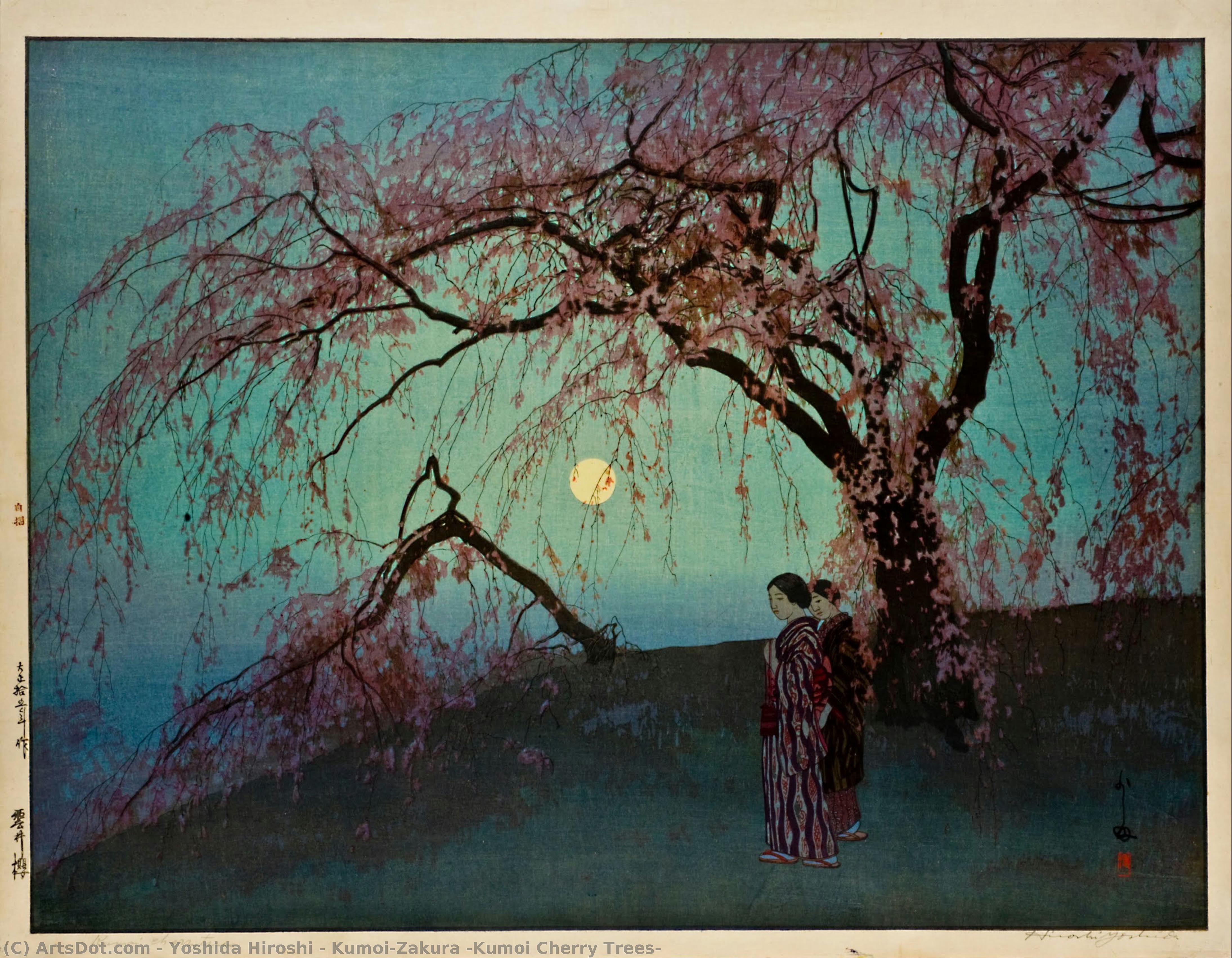
Kumoi-Zakura (Kumoi Cherry Trees)
 Woodblock Print
- Shin-hanga Landscape
 1920
1920- 19th Century
 45.0 x 29.0 cm
 Toledo Museum of Art
 Читать далее
Жикле / Арт-принт
Печать (жикле) или холст музейного качества с быстрыми сроками изготовления и широким выбором вариантов отделки. ( Купить картину ручной работы Перейти к цифровым изображениям)




P118B $10

P118H $10

P118W $10

P438Z $10

P508JH $12

P508YH $12

P805H $10

P805Z $10

P919BZ $10

P919G $10

P919XJ $10

P959ZH $10

P968JZ $12

W106C $8

W218G $10

W218JH $8

W218Y $10

W307PJ $10

W316G $10

W316PJ $8

W316Y $10

W398PJ $8

W4111J $10

W500HY $15

W500JH $15

W692G $12

W849H $8

W940BG $15

W953PJ $8




Выберите один из наших стандартных размеров, соответствующих оригинальным пропорциям произведения искусства.

Вы можете указать свои собственные размеры, чтобы репродукция идеально подошла под конкретную раму или пространство. Если выбранный вами размер не будет соответствовать пропорциям оригинала, мы либо обрежем произведение, либо дополним изображение зеркальным отражением краев или однотонной заливкой. Перед началом производства вам будет отправлен цифровой макет для утверждения.
Пожалуйста, обратите внимание, что предварительный просмотр на экране не отображает фактическую обрезку или расширение изображения. Только макет точно покажет финальную композицию.
Несмотря на возможность заказа индивидуальных размеров, мы рекомендуем выбирать размер из предопределенного списка, чтобы сохранить оригинальные пропорции.
Доставка по всему миру () за 2 недели вместо стандартных 4/5 недель. (11 Сентябрь)

Бесплатная экспресс-доставка по всему миру

Высококачественный льняной холст

Полное страхование доставки

Гарантия возмещения таможенных пошлин

Гарантия точного соответствия цветов

100-дневная политика возврата (только при обнаружении дефектов)

Гарантия возврата 100% средств

Предложение оптовых скидок
 Вариант со стеклом доступен только для размеров менее 110 см

Kumoi-Zakura (Kumoi Cherry Trees)
Жикле / Арт-принт
Размер репродукции
-


Итоговая стоимость
$ 62
Yoshida Hiroshi’s *Kumoi-Zakura*: A Moment of Serene Contemplation
Kumoi-Zakura (Kumoi Cherry Trees), painted in 1920 by the esteemed Japanese master Yoshida Hiroshi, is more than just a depiction of blossoming cherry trees; it's an exquisitely rendered meditation on beauty, tranquility, and the ephemeral nature of existence. This captivating artwork, measuring 45 x 29 cm, offers a profound glimpse into the heart of shin-hanga – a revolutionary artistic movement that redefined Japanese landscape painting in the early 20th century. Hiroshi’s work stands as a testament to his meticulous observation of nature and his ability to translate it onto canvas with remarkable sensitivity.
- Subject Matter: The central focus is undeniably the *kumoi-zakura* – weeping cherry trees, a particularly poignant subject in Japanese art. These trees, with their cascading branches and delicate blossoms, are traditionally associated with the transient beauty of life, reminding viewers of the inevitability of decay and renewal.
- Composition: The painting’s composition is carefully balanced, drawing the eye towards the woman positioned beneath the tree. Her upward gaze suggests a yearning for connection with the heavens or perhaps an appreciation for the sheer spectacle of the blossoms. The reflection in the water adds depth and complexity to the scene, creating a sense of infinite space.
The Shin-Hanga Style and Yoshida Hiroshi’s Innovation
Yoshida Hiroshi was a pivotal figure in the shin-hanga movement, which emerged as a reaction against the rigid conventions of traditional Japanese art. Shin-hanga, meaning “new style print,” championed a return to direct observation of nature, rejecting Western academic techniques in favor of a more intuitive and expressive approach. Hiroshi’s training under Tamura Sōryū and Miyake Kokki instilled in him a deep respect for the principles of *sumi-e* (ink wash painting) while simultaneously exposing him to Western influences, particularly Impressionism. This synthesis is brilliantly evident in Kumoi-Zakura – the loose brushwork, vibrant color palette, and emphasis on capturing atmospheric effects are all hallmarks of his unique style.
Technique: Hiroshi employed a layered approach, building up color gradually with thin washes of pigment applied to rice paper. This technique created a luminous quality that is characteristic of shin-hanga prints. The use of *katazome* (stencil cutting) allowed for precise placement of the blossoms and leaves, while still maintaining a sense of spontaneity.Symbolism and Emotional Resonance
Beyond its aesthetic qualities, Kumoi-Zakura is rich in symbolic meaning. Cherry blossoms, or *sakura*, hold profound cultural significance in Japan, representing themes of beauty, fragility, mortality, and renewal. The woman’s solitary presence beneath the tree evokes a sense of introspection and contemplation – a common motif in Japanese art that encourages viewers to reflect on their own lives and place within the natural world. The body of water acts as a mirror, reflecting not only the scene before us but also perhaps our own inner thoughts and emotions.
A Timeless Masterpiece – A Perfect Addition to Your Collection
This hand-painted reproduction of Yoshida Hiroshi’s *Kumoi-Zakura* offers an unparalleled opportunity to experience the beauty and serenity of this iconic artwork. Its dimensions (45 x 29 cm) make it suitable for a wide range of interior design settings, from formal living rooms to tranquil bedrooms. Whether you are an art collector seeking to expand your collection or an interior designer looking for a unique piece to elevate your space, this reproduction is sure to captivate and inspire.
Похожие произведения
Биография художника
**a japanese master of shin-hanga style**
hiroshi yoshida, a renowned japanese painter and woodblock printmaker, left an indelible mark on the art world with his captivating landscapes. born in 1876 in kurume, fukuoka, japan, yoshida's artistic journey was marked by innovation, exploration, and a deep passion for capturing the beauty of nature.**early life and training**
adopted by the yoshida family at the age of 15, hiroshi began his artistic training under tamura sōryū and miyake kokki in kyoto. he later moved to tokyo, where he became a member of the meiji bijutsukai (meiji art society), the first western-style art organization in japan.**artistic achievements**
- hiroshi yoshida's collaboration with watanabe print workshop in 1920 marked the beginning of his woodcut journey, starting with a print depicting the meiji shrine.
- in 1925, he established his own studio, combining traditional japanese techniques with western-style painting to create unique prints.
- notable works include "the grand canyon" (part of his series europe) and "glittering sea" (from the seto inland sea series).
**influence and legacy**
yoshida's innovative approach to shin-hanga style has influenced generations of artists. his travels around the world, capturing diverse landscapes in traditional japanese woodblock style, have made his works highly regarded globally.- menard art museum (japón), featured on https://ArtsDot.com, has a collection of western art that includes paintings, sculptures, and prints, reflecting the global influence of yoshida's style.
- for more information on japanese art and its history, visit ukiyo-e on wikipedia, which explores the genre that flourished from the 17th to 19th centuries in japan.
**selected paintings by yoshida hiroshi**
- wada eisaku: mt. fuji (shizuoka prefectural museum of art, oil on canvas)
- hasegawa sadanobu ii: prosperous port in kobe, settsu province (kobe city museum, print)
- ito jakuchu: the thirty-six immortal poets (1 of a pair) (denver art museum, paper)
**conclusion**
yoshida hiroshi's artistic legacy is a testament to the enduring power of japanese art. his innovative approach to shin-hanga style has left an indelible mark on the world of art, inspiring generations to come. view more artworks by yoshida hiroshi on ArtsDot.com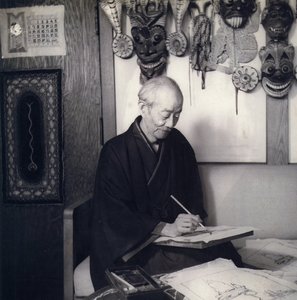
yoshida hiroshi
1876 - 1950 , Japan
Основные сведения
- Artistic Movement Or Style: Shin-hanga
- Artists Or Movements Influenced By This Artist: ['Ukiyo-e']
- Artists Who Influenced This Artist:
- Tamura Sōryū
- Miyake Kokki
- Date Of Birth: September 19, 1876
- Date Of Death: April 5, 1950
- Full Name: Hiroshi Yoshida 吉田博
- Nationality: Japanese
- Notable Artworks:
- The Grand Canyon
- Glittering Sea
- Place Of Birth: Kurume, Japan
Похожие статьи
Arboreal Echoes: A Historical & Artistic Exploration of Trees in Painting
Explore the rich history of trees in painting! Discover symbolism, Romantic masterpieces by Caspar David Friedrich & beyond. A curated journey for art enthusiasts.
Arboreal Echoes: A Historical & Artistic Exploration of Trees in Painting
Explore the rich history of trees in painting! Discover symbolism, Romantic masterpieces by Caspar David Friedrich & beyond. A curated journey for art enthusiasts.
The Enchanted Canopy: Exploring Forests in Art History – From Romantic Idealization to Ecological Consciousness
Explore the rich history of forests in art! Discover Romantic masterpieces by Friedrich & Monet, Symbolist depths, and contemporary visions. Find inspiration & quality reproductions at ArtsDot.
25 Шедевров Густава Климта: Искусство, Декор и Золотой Век Австрийского Модерна
Погрузитесь в мир Густава Климта! 25 шедевров австрийского модерна, символизма и золотой живописи. Узнайте истории создания знаменитых картин Климта и вдохновитесь для декора интерьера. Репродукции музейного качества на ArtsDot.com.

25 Шедевров Поля Сезанна: Открывая Новую Эру в Искусстве | ArtsDot
Откройте для себя 25 величайших шедевров Поля Сезанна! Узнайте истории создания картин импрессионизма и постимпрессионизма, технику художника и вдохновение для вашего интерьера. Репродукции картин Сезанна высокого качества на ArtsDot.com.