 Поделиться
 Поделиться
 Детали произведения

 Скачать
 Похожие работы
 Слайд-шоу
 Статистика
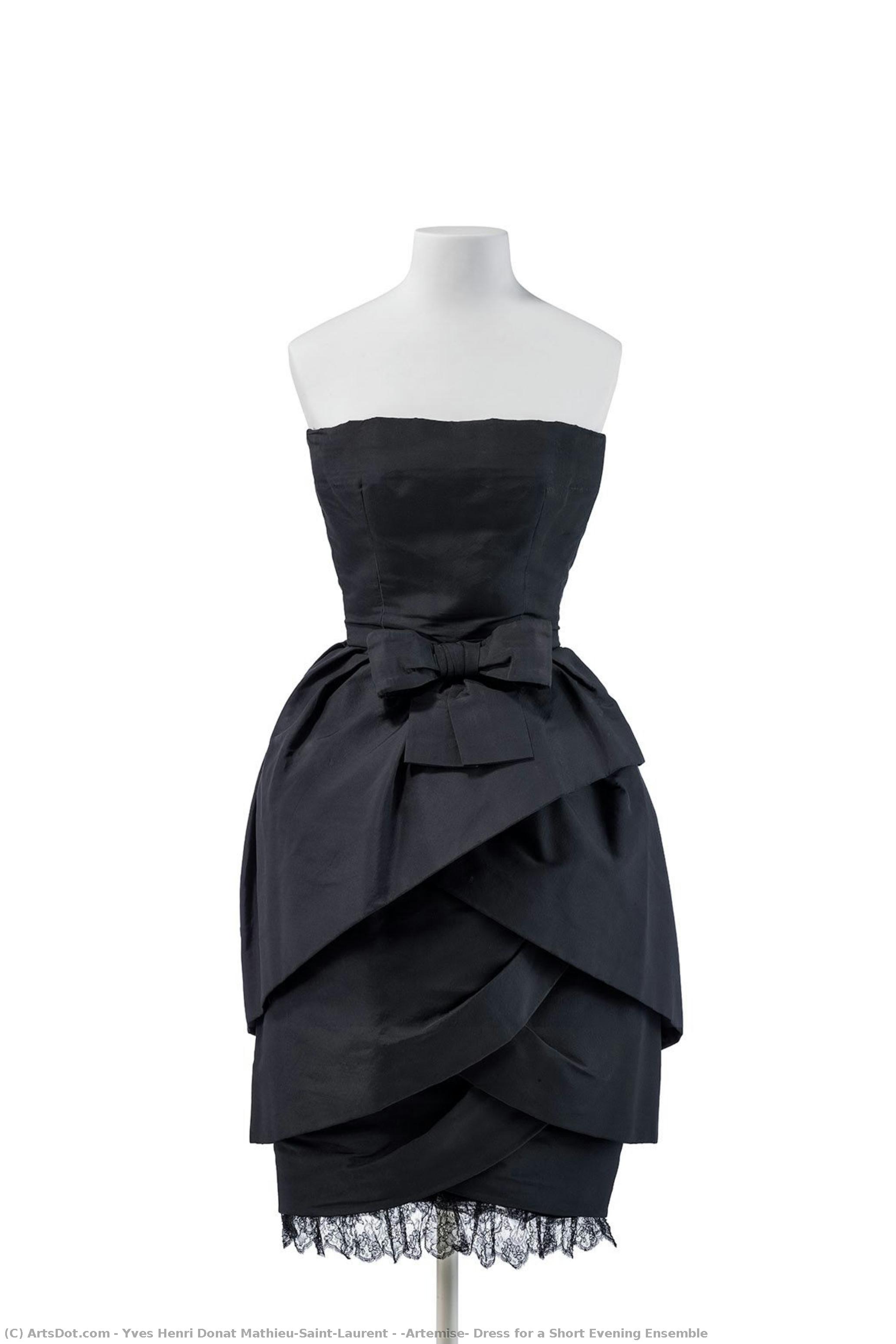
“Artemise” Dress for a Short Evening Ensemble


 Читать далее
Масляная репродукция ручной работы
Картина маслом на холсте в выбранном вами размере и раме, написанная на заказ нашими художниками. ( Перейти к печати Перейти к цифровым изображениям)




































Выберите один из наших стандартных размеров, соответствующих оригинальным пропорциям произведения искусства.

Вы можете указать собственные размеры, чтобы картина идеально вписалась в выбранную раму или пространство. Если выбранный вами размер не соответствует пропорциям оригинала, мы либо обрежем полотно, либо расширим его за счет дополнительных элементов, написанных вручную. Цифровой макет будет отправлен вам на утверждение перед началом производства.
Обратите внимание, что предварительный просмотр на экране не отражает фактическую обрезку или расширение. Только макет точно покажет окончательную композицию.
Хотя доступны индивидуальные размеры, мы рекомендуем выбирать вариант из предопределенного списка, чтобы сохранить исходные пропорции.
После оформления заказа команда ArtsDot.com свяжется с клиентом по электронной почте для уточнения деталей и предоставит предварительный макет
Доставка по всему миру () за 3–4 недели вместо стандартных 5 недель. (12 Сентябрь). Без компромиссов в качестве.

Бесплатная экспресс-доставка по всему миру

Высококачественный льняной холст

Полное страхование доставки

Гарантия возмещения таможенных пошлин

Гарантия точного соответствия цветов

100-дневная политика возврата (только при обнаружении дефектов)

Гарантия возврата 100% средств

Предложение оптовых скидок
 Вариант со стеклом доступен только для размеров менее 110 см

“Artemise” Dress for a Short Evening Ensemble
Техника репродукции
Размер репродукции
-


Итоговая стоимость
$ 263
The Genesis of a Silhouette: Yves Saint Laurent’s “Artemise”
In the twilight of the mid-20th century, fashion transcended mere utility and embraced a potent form of artistic expression. Yves Saint Laurent's "Artemise" Dress, created for Christian Dior in 1959, stands as a testament to this shift—a meticulously crafted garment that captured the spirit of Parisian glamour while simultaneously pushing the boundaries of couture design. More than just a dress, it’s a frozen moment of audacious elegance, a dialogue between architectural precision and fluid femininity. The image before us isn't merely a photograph; it’s a portal to a specific time and place, a carefully constructed tableau vivant that speaks volumes about Dior’s vision and Saint Laurent’s burgeoning genius.
- The Dior Legacy: Dior, reeling from the sudden death of its founder, Christian Dior, in 1957, was navigating a delicate period. Yves Saint Laurent, then a young apprentice, stepped into the role of creative director, tasked with preserving the house’s legacy while simultaneously forging his own distinctive style. The “Artemise” dress embodies this duality – it retains the structured formality of Dior's signature silhouette but infuses it with a distinctly modern sensibility.
- Eugenia Sheppard’s Observation: The description itself, attributed to Eugenia Sheppard, highlights the prevailing trend of the era—the revival of hobble skirts and the embrace of bold, sculptural forms. This context is crucial; Saint Laurent wasn't simply designing a dress; he was responding to a cultural moment, translating it into wearable art.
Deconstructing the Form: Structure and Movement
The dress’s visual impact stems from its masterful manipulation of form. The bodice, a rigid rectangle of fitted black fabric, provides an anchor for the dramatic volume that follows. This stark geometry is then countered by the skirt—a cascading series of layered semi-circles, each subtly tapering downwards. This creates a captivating sense of movement and dynamism; it’s as if the dress is perpetually caught in a graceful, swirling motion. The delicate lace edging, flashing beneath the hemline, adds another layer of visual interest – a whisper of fragility against the assertive structure.
Key Elements:- Tulip Skirt: The layered semi-circles create a distinctive tulip shape, reminiscent of a stylized flower.
- Lace Detail: The strategically placed lace introduces an element of lightness and texture, preventing the dress from appearing overly heavy or imposing.
- Bow Accent: The central bow at the waist serves as both a decorative flourish and a focal point, drawing attention to the figure’s natural curves.
Color Palette and Composition – A Study in Contrast
The predominantly navy blue/black palette immediately establishes an atmosphere of sophistication and formality. The deep hue lends itself to dramatic lighting, highlighting the dress's sculptural qualities. The photograph’s composition is remarkably clean and straightforward—a frontal view against a neutral background that allows the dress to command attention. Symmetry plays a key role, reinforcing the sense of balance and order inherent in the design. However, subtle irregularities – the unevenness of the lace, the slight variations in fabric texture – prevent the image from feeling overly rigid or artificial.
Lighting & Perspective:- Soft Lighting: The diffused lighting minimizes harsh shadows, allowing for a detailed appreciation of the fabric’s textures.
- Frontal Perspective: The direct frontal view creates an immediate connection with the viewer, inviting them to examine the dress's design in detail.
Symbolism and Historical Context – A Reflection of Style
Beyond its aesthetic qualities, “Artemise” is deeply rooted in the cultural landscape of 1959 Paris. It embodies the post-war optimism and burgeoning consumer culture that defined the era. The dress’s structured silhouette reflects a desire for formality and elegance, while the flowing skirt hints at a more liberated spirit. Saint Laurent's use of non-European references—the layered skirt drawing inspiration from traditional garments—demonstrates his willingness to challenge established conventions and embrace global influences. It is a garment that speaks not only of fashion but also of a particular moment in history – a time of transformation, innovation, and the rise of youth culture.
Похожие произведения

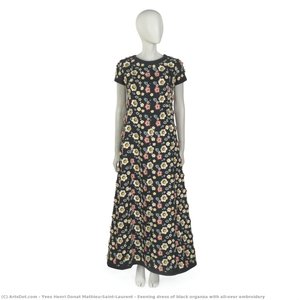
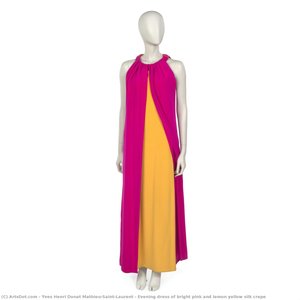
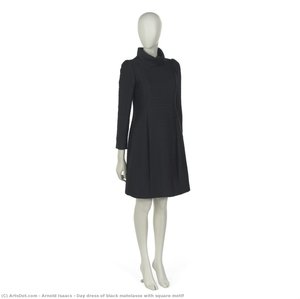
Биография художника
A Revolutionary Silhouette: The Life and Legacy of Yves Saint Laurent
Yves Henri Donat Mathieu-Saint Laurent, universally known as Yves Saint Laurent or YSL, wasn’t merely a fashion designer; he was a true architect of style, a cultural seismograph who fundamentally reshaped the landscape of 20th and 21st-century dress. Born in Oran, Algeria, in 1936, his formative years amidst the vibrant colors, exotic textures, and rich traditions of North Africa instilled within him an enduring appreciation for beauty, luxury, and a profound understanding of global aesthetics – a sensibility that would become inextricably woven into the fabric of his groundbreaking work. This early exposure to a world far removed from the Parisian haute couture scene proved profoundly influential, shaping an artistic vision characterized by bold experimentation, fearless innovation, and a constant challenge to established norms. From meticulously crafting miniature paper dolls as a child to sketching designs that captivated industry insiders with their audacious creativity, Saint Laurent’s destiny seemed preordained – a trajectory marked by both extraordinary talent and considerable personal struggle. His relocation to Paris at the tender age of seventeen wasn't simply a geographical shift; it represented a plunge into the very heart of the world’s most prestigious fashion capital, where he swiftly distinguished himself through an unparalleled combination of innate artistic ability and an intuitive grasp of form, fabric, and the ever-evolving desires of the modern woman.From Dior’s Protégé to Independent Visionary
Saint Laurent's ascent within the Parisian fashion world was nothing short of meteoric. His designs immediately caught the discerning eye of Christian Dior, a titan of the industry, who recognized in the young designer an exceptional talent and a unique perspective. Recognizing Saint Laurent’s potential, Dior took him on as an assistant, a pivotal moment that provided the foundation for his future success. However, this seemingly idyllic partnership was tragically cut short by the sudden death of Dior in 1957. This unforeseen event thrust a remarkably young Saint Laurent – just twenty-one years old – into the daunting position of artistic director of the House of Dior, an unprecedented appointment that placed immense pressure on the fledgling designer. He responded to this challenge with remarkable grace and determination, presenting a collection that stunned the fashion world with its innovative silhouettes, bold color palettes, and a refreshing departure from the overly structured and restrictive styles prevalent at the time. His designs were not merely garments; they were statements – declarations of a new era in women’s fashion. Despite his initial success, Saint Laurent's tenure at Dior was ultimately turbulent. A period of military service in 1958, coupled with the emotional strain of leadership and the intense scrutiny of the Parisian press, led to a severe nervous breakdown, forcing him to temporarily step down from his position. This challenging chapter, though undeniably painful, proved to be a crucial catalyst for personal growth and artistic liberation, freeing Saint Laurent to forge his own independent path without the constraints of a powerful legacy. In 1962, fueled by financial backing from Roland Fréy, he boldly launched Yves Saint Laurent YSL, a venture that would irrevocably alter the course of fashion history and establish him as a truly original voice in the industry.Challenging Norms: Le Smoking and Beyond
Yves Saint Laurent wasn’t content to simply replicate established trends; he actively *created* them, often by dismantling deeply ingrained conventions and challenging traditional notions of gender and style. Perhaps his most iconic creation, “Le Smoking,” introduced in 1968, stands as a testament to this revolutionary spirit. This impeccably tailored tuxedo suit, designed specifically for women, was a daring and subversive statement – a rejection of conventional feminine attire and an assertion of female power and sophistication. It wasn’t merely about clothing; it was a symbol—a declaration of independence and a challenge to the rigid expectations placed upon women in society. The impact of “Le Smoking” resonated deeply with the social currents of the late 1960s, becoming a defining garment of the era and continuing to inspire designers today. Beyond “Le Smoking,” Saint Laurent consistently pushed boundaries through his diverse collections, introducing groundbreaking designs such as the “Mondrian Dress” (1965), inspired by the geometric abstractions of Dutch painter Piet Mondrian, showcasing the powerful intersection between art and fashion. He also embraced bold color blocking, utilizing vibrant hues to create visually arresting and unforgettable ensembles. Furthermore, Saint Laurent’s exploration of African textiles and motifs demonstrated a remarkable cultural awareness and a commitment to incorporating diverse influences into his designs, reflecting a global perspective that was far ahead of its time. His willingness to experiment with unconventional materials and silhouettes cemented his reputation as a true innovator and a visionary designer.A Lasting Influence: Redefining Femininity and Beyond
Yves Saint Laurent’s legacy extends far beyond specific garments or fleeting trends; it represents a profound transformation in the way women perceived themselves and their relationship to fashion. He didn't simply design clothes; he redefined femininity, offering women clothing that combined elegance with comfort, strength, and self-expression – a radical departure from the often-restrictive styles of previous eras. His designs empowered women to embrace their individuality and to feel confident and beautiful in their own skin. Saint Laurent’s innovative approach also blurred the lines between couture and prêt-à-porter (ready-to-wear), making high fashion more accessible without sacrificing its artistic integrity or quality. This democratization of luxury was a significant contribution to the evolution of the industry, opening up access to sophisticated style for a wider audience. His work wasn't merely aesthetically pleasing; it was fundamentally transformative – shaping not only the fashion landscape but also influencing broader cultural attitudes and perceptions. Yves Saint Laurent became a global icon, celebrated for his creativity, innovation, and profound influence on generations of designers. His designs are now represented in major museums worldwide—the Musée des Beaux-Arts in Algiers, the Museum of the City of New York, among many others—solidifying his place as one of the most important figures in fashion history. He didn't just dress women; he liberated them. His impact continues to be felt today, not only in the designs that echo his aesthetic but also in the spirit of innovation and inclusivity that he championed throughout his remarkable career.Key Works & Artistic Echoes
- Le Smoking (1968): The iconic tuxedo suit for women, a symbol of empowerment and gender fluidity.
- Mondrian Dress (1965): A groundbreaking design inspired by Piet Mondrian’s geometric paintings, showcasing the intersection of art and fashion.
- Rive Gauche Line (1966): The revolutionary ready-to-wear line that democratized high fashion.
- Velvet Collections: Luxurious evening dresses crafted from sumptuous velvet, embodying opulence and glamour.
- African Inspired Designs: Incorporation of African textiles and motifs, reflecting a global perspective and cultural appreciation.
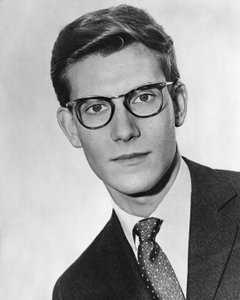
Ив Сен-Лоран
1936 - 2008 , Алжир
Основные сведения
- Artistic Movement Or Style: Высокая мода, Современный дизайн
- Artists Or Movements Influenced By This Artist: ['Модный дом Dior']
- Artists Who Influenced This Artist: ['Христиан Диор']
- Date Of Birth: 1 августа 1936 г.
- Date Of Death: 1 июня 2008 г.
- Full Name: Yves Henri Donat Mathieu-Saint Laurent
- Nationality: Француз
- Notable Artworks:
- Le Smoking
- Мондриана платье
- Линия Rive Gauche
- Place Of Birth: Оран, Алжир
Похожие статьи

Crimson Threads of Narrative: Exploring Symbolism & Representation in Artworks Featuring the Red Dress
Explore the rich symbolism of the red dress in art history! From ancient power displays to iconic portraits like Cézanne’s 'Madame Cezanne', discover the cultural and artistic significance behind this captivating color. Expert analysis & insights.
Discover the Divine: Inspiring Saint Anthony Artworks to Elevate Your Home Decor
Transform your home with the profound beauty of Saint Anthony artworks. Explore exquisite Baroque reproductions by Murillo and Zurbarán, hand-painted on 100% cotton canvas to bring divine serenity and timeless elegance to your interior design.
Cristóbal Balenciaga: Deconstructing Haute Couture's Architectural Legacy
Explore the revolutionary world of Cristóbal Balenciaga, the 'couturier's couturier'. Discover his architectural designs, lasting influence on haute couture, and guide to collecting rare pieces. A connoisseur’s resource.
Gianfranco Ferré: Deconstructing Haute Couture – A Legacy of Architectural Form
Explore the revolutionary world of Gianfranco Ferré, 'the architect of fashion.' Discover his architectural approach to haute couture, iconic Dior designs, and lasting influence on luxury style. A deep dive for collectors & enthusiasts.
Draped Narratives: Fashion as Symbol & Subject in Historical Art
Explore the fascinating history of fashion as a symbol of power & status in art! Discover masterpieces from Gainsborough to Tissot and learn how clothing shaped societal narratives. Find museum-quality reproductions at ArtsDot.