 Предпросмотр
 Поделиться
 Поделиться
 Детали произведения

 Скачать
 Похожие работы
 Рентгенография
 Слайд-шоу
 Статистика
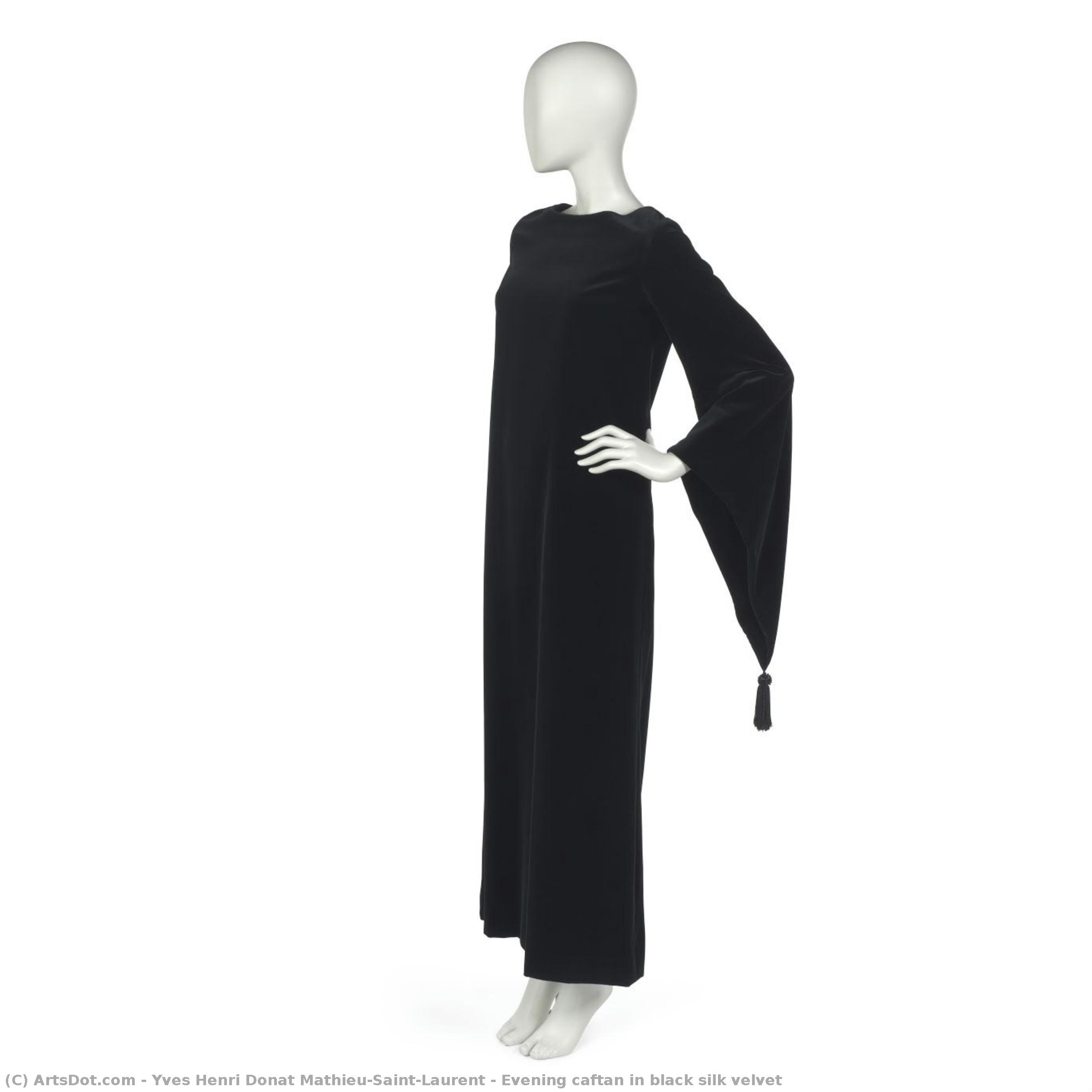
Evening caftan in black silk velvet


 Читать далее
Масляная репродукция ручной работы
Картина маслом на холсте в выбранном вами размере и раме, написанная на заказ нашими художниками. ( Перейти к печати Перейти к цифровым изображениям)




P118B $10

P118H $10

P118W $10

P438Z $10

P508JH $12

P508YH $12

P805H $10

P805Z $10

P919BZ $10

P919G $10

P919XJ $10

P959ZH $10

P968JZ $12

W106C $8

W218G $10

W218JH $8

W218Y $10

W307PJ $10

W316G $10

W316PJ $8

W316Y $10

W398PJ $8

W4111J $10

W500HY $15

W500JH $15

W692G $12

W849H $8

W940BG $15

W953PJ $8




Выберите один из наших стандартных размеров, соответствующих оригинальным пропорциям произведения искусства.

Вы можете указать собственные размеры, чтобы картина идеально вписалась в выбранную раму или пространство. Если выбранный вами размер не соответствует пропорциям оригинала, мы либо обрежем полотно, либо расширим его за счет дополнительных элементов, написанных вручную. Цифровой макет будет отправлен вам на утверждение перед началом производства.
Обратите внимание, что предварительный просмотр на экране не отражает фактическую обрезку или расширение. Только макет точно покажет окончательную композицию.
Хотя доступны индивидуальные размеры, мы рекомендуем выбирать вариант из предопределенного списка, чтобы сохранить исходные пропорции.
После оформления заказа команда ArtsDot.com свяжется с клиентом по электронной почте для уточнения деталей и предоставит предварительный макет
Доставка по всему миру () за 3–4 недели вместо стандартных 5 недель. (12 Сентябрь). Без компромиссов в качестве.

Бесплатная экспресс-доставка по всему миру

Высококачественный льняной холст

Полное страхование доставки

Гарантия возмещения таможенных пошлин

Гарантия точного соответствия цветов

100-дневная политика возврата (только при обнаружении дефектов)

Гарантия возврата 100% средств

Предложение оптовых скидок
 Вариант со стеклом доступен только для размеров менее 110 см

Evening caftan in black silk velvet
Техника репродукции
Размер репродукции
-


Итоговая стоимость
$ 263
A Nocturne in Velvet: Yves Saint Laurent’s “Evening Caftan in Black Silk Velvet”
The photograph captures not merely a garment, but a distilled essence of 1970s Parisian chic – a moment frozen in time by the discerning eye of Yves Saint Laurent. It's an image that speaks volumes about the designer’s revolutionary approach to fashion: a deliberate rejection of rigid formality and a passionate embrace of effortless elegance. The stark black and white palette immediately establishes a mood of sophisticated restraint, drawing the viewer into a world of understated luxury and quiet drama. The mannequin, rendered in a simple, almost sculptural form, serves as an ideal canvas for the caftan’s flowing lines and luxurious texture, highlighting its inherent beauty without distraction.
Deconstructing the Silhouette: Design and Technique
At first glance, the “Evening Caftan in Black Silk Velvet” appears deceptively simple. However, a closer examination reveals a masterful orchestration of design elements. The A-line silhouette, a hallmark of Saint Laurent’s ready-to-wear line, offered a welcome departure from the restrictive styles of previous decades. The caftan's generous sleeves, cascading in a dramatic drape, evoke a sense of movement and fluidity – almost as if captured mid-waltz. The high neckline adds an element of formality, while the tassel hanging from one sleeve end introduces a subtle touch of playful rebellion. Crucially, the construction utilizes black silk velvet, a material chosen not just for its tactile richness but also for its ability to absorb light, creating pools of shadow and enhancing the garment’s three-dimensional form. The meticulous tailoring ensures that every seam is perfectly aligned, contributing to the overall impression of impeccable craftsmanship.
Echoes of the Ballet Russes: Historical Context and Inspiration
The caftan's design resonates deeply with Saint Laurent’s fascination with ballet – a passion he famously channeled into his “Ballet Russe” collection in 1961. This particular piece, created around 1970, draws heavily from the theatricality and romanticism of that era. The flowing lines, the dramatic draping, and even the subtle suggestion of movement all recall the costumes worn by dancers on stage. Furthermore, Saint Laurent’s exploration of non-European cultural influences is evident in the caftan's silhouette – a deliberate nod to traditional garments from across the globe, reflecting his desire to break free from Parisian fashion conventions and embrace a more diverse aesthetic. The reference to medieval pendant points adds an unexpected layer of historical allusion, hinting at a timeless elegance that transcends specific trends.
Beyond the Surface: Symbolism and Emotional Impact
More than just a beautiful garment, the “Evening Caftan in Black Silk Velvet” embodies a spirit of liberation and self-expression. In the 1970s, Saint Laurent was challenging traditional notions of femininity and empowering women to embrace their individuality. The caftan’s luxurious fabric and sophisticated design suggest an evening of glamour and confidence – a celebration of female power and beauty. The black and white aesthetic further amplifies this effect, creating a sense of timelessness and intrigue. It's a piece that speaks to the enduring allure of classic style, inviting the viewer to imagine themselves stepping into a world of understated elegance and quiet sophistication. The photograph itself evokes a feeling of intimacy and nostalgia, transporting us back to a pivotal moment in fashion history.
Похожие произведения
Биография художника
A Revolutionary Silhouette: The Life and Legacy of Yves Saint Laurent
Yves Henri Donat Mathieu-Saint Laurent, universally known as Yves Saint Laurent or YSL, wasn’t merely a fashion designer; he was a true architect of style, a cultural seismograph who fundamentally reshaped the landscape of 20th and 21st-century dress. Born in Oran, Algeria, in 1936, his formative years amidst the vibrant colors, exotic textures, and rich traditions of North Africa instilled within him an enduring appreciation for beauty, luxury, and a profound understanding of global aesthetics – a sensibility that would become inextricably woven into the fabric of his groundbreaking work. This early exposure to a world far removed from the Parisian haute couture scene proved profoundly influential, shaping an artistic vision characterized by bold experimentation, fearless innovation, and a constant challenge to established norms. From meticulously crafting miniature paper dolls as a child to sketching designs that captivated industry insiders with their audacious creativity, Saint Laurent’s destiny seemed preordained – a trajectory marked by both extraordinary talent and considerable personal struggle. His relocation to Paris at the tender age of seventeen wasn't simply a geographical shift; it represented a plunge into the very heart of the world’s most prestigious fashion capital, where he swiftly distinguished himself through an unparalleled combination of innate artistic ability and an intuitive grasp of form, fabric, and the ever-evolving desires of the modern woman.From Dior’s Protégé to Independent Visionary
Saint Laurent's ascent within the Parisian fashion world was nothing short of meteoric. His designs immediately caught the discerning eye of Christian Dior, a titan of the industry, who recognized in the young designer an exceptional talent and a unique perspective. Recognizing Saint Laurent’s potential, Dior took him on as an assistant, a pivotal moment that provided the foundation for his future success. However, this seemingly idyllic partnership was tragically cut short by the sudden death of Dior in 1957. This unforeseen event thrust a remarkably young Saint Laurent – just twenty-one years old – into the daunting position of artistic director of the House of Dior, an unprecedented appointment that placed immense pressure on the fledgling designer. He responded to this challenge with remarkable grace and determination, presenting a collection that stunned the fashion world with its innovative silhouettes, bold color palettes, and a refreshing departure from the overly structured and restrictive styles prevalent at the time. His designs were not merely garments; they were statements – declarations of a new era in women’s fashion. Despite his initial success, Saint Laurent's tenure at Dior was ultimately turbulent. A period of military service in 1958, coupled with the emotional strain of leadership and the intense scrutiny of the Parisian press, led to a severe nervous breakdown, forcing him to temporarily step down from his position. This challenging chapter, though undeniably painful, proved to be a crucial catalyst for personal growth and artistic liberation, freeing Saint Laurent to forge his own independent path without the constraints of a powerful legacy. In 1962, fueled by financial backing from Roland Fréy, he boldly launched Yves Saint Laurent YSL, a venture that would irrevocably alter the course of fashion history and establish him as a truly original voice in the industry.Challenging Norms: Le Smoking and Beyond
Yves Saint Laurent wasn’t content to simply replicate established trends; he actively *created* them, often by dismantling deeply ingrained conventions and challenging traditional notions of gender and style. Perhaps his most iconic creation, “Le Smoking,” introduced in 1968, stands as a testament to this revolutionary spirit. This impeccably tailored tuxedo suit, designed specifically for women, was a daring and subversive statement – a rejection of conventional feminine attire and an assertion of female power and sophistication. It wasn’t merely about clothing; it was a symbol—a declaration of independence and a challenge to the rigid expectations placed upon women in society. The impact of “Le Smoking” resonated deeply with the social currents of the late 1960s, becoming a defining garment of the era and continuing to inspire designers today. Beyond “Le Smoking,” Saint Laurent consistently pushed boundaries through his diverse collections, introducing groundbreaking designs such as the “Mondrian Dress” (1965), inspired by the geometric abstractions of Dutch painter Piet Mondrian, showcasing the powerful intersection between art and fashion. He also embraced bold color blocking, utilizing vibrant hues to create visually arresting and unforgettable ensembles. Furthermore, Saint Laurent’s exploration of African textiles and motifs demonstrated a remarkable cultural awareness and a commitment to incorporating diverse influences into his designs, reflecting a global perspective that was far ahead of its time. His willingness to experiment with unconventional materials and silhouettes cemented his reputation as a true innovator and a visionary designer.A Lasting Influence: Redefining Femininity and Beyond
Yves Saint Laurent’s legacy extends far beyond specific garments or fleeting trends; it represents a profound transformation in the way women perceived themselves and their relationship to fashion. He didn't simply design clothes; he redefined femininity, offering women clothing that combined elegance with comfort, strength, and self-expression – a radical departure from the often-restrictive styles of previous eras. His designs empowered women to embrace their individuality and to feel confident and beautiful in their own skin. Saint Laurent’s innovative approach also blurred the lines between couture and prêt-à-porter (ready-to-wear), making high fashion more accessible without sacrificing its artistic integrity or quality. This democratization of luxury was a significant contribution to the evolution of the industry, opening up access to sophisticated style for a wider audience. His work wasn't merely aesthetically pleasing; it was fundamentally transformative – shaping not only the fashion landscape but also influencing broader cultural attitudes and perceptions. Yves Saint Laurent became a global icon, celebrated for his creativity, innovation, and profound influence on generations of designers. His designs are now represented in major museums worldwide—the Musée des Beaux-Arts in Algiers, the Museum of the City of New York, among many others—solidifying his place as one of the most important figures in fashion history. He didn't just dress women; he liberated them. His impact continues to be felt today, not only in the designs that echo his aesthetic but also in the spirit of innovation and inclusivity that he championed throughout his remarkable career.Key Works & Artistic Echoes
- Le Smoking (1968): The iconic tuxedo suit for women, a symbol of empowerment and gender fluidity.
- Mondrian Dress (1965): A groundbreaking design inspired by Piet Mondrian’s geometric paintings, showcasing the intersection of art and fashion.
- Rive Gauche Line (1966): The revolutionary ready-to-wear line that democratized high fashion.
- Velvet Collections: Luxurious evening dresses crafted from sumptuous velvet, embodying opulence and glamour.
- African Inspired Designs: Incorporation of African textiles and motifs, reflecting a global perspective and cultural appreciation.
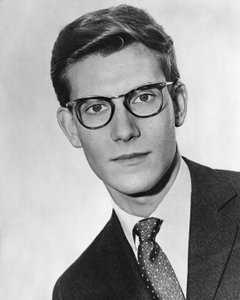
Ив Сен-Лоран
1936 - 2008 , Алжир
Основные сведения
- Artistic Movement Or Style: Высокая мода, Современный дизайн
- Artists Or Movements Influenced By This Artist: ['Модный дом Dior']
- Artists Who Influenced This Artist: ['Христиан Диор']
- Date Of Birth: 1 августа 1936 г.
- Date Of Death: 1 июня 2008 г.
- Full Name: Yves Henri Donat Mathieu-Saint Laurent
- Nationality: Француз
- Notable Artworks:
- Le Smoking
- Мондриана платье
- Линия Rive Gauche
- Place Of Birth: Оран, Алжир
Похожие статьи

Топ-10 знаменитых картин в черных тонах: шедевры искусства для вашего интерьера
Погрузитесь в мир темных шедевров! Топ-10 знаменитых картин в черных тонах от Гойи, Рембрандта и Мунка. История искусства, техники живописи и вдохновение для вашего интерьера. Купите репродукции высокого качества на ArtsDot.com
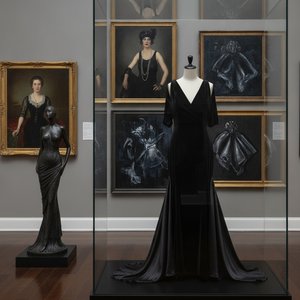
Timeless Elegance: Unveiling the Chic Allure and Artistic Legacy of Black Dress Artworks
Immerse yourself in the timeless allure of black dress artworks. Explore a curated collection of fine art reproductions and bespoke oil paintings that blend fashion history with modern elegance. Discover how ArtsDot.com transforms memories into exquisite, hand-painted masterpieces.
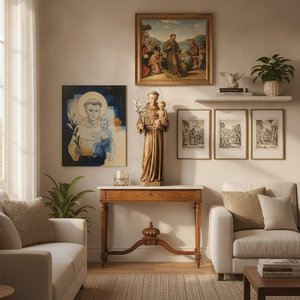
Discover the Divine: Inspiring Saint Anthony Artworks to Elevate Your Home Decor
Transform your home with the profound beauty of Saint Anthony artworks. Explore exquisite Baroque reproductions by Murillo and Zurbarán, hand-painted on 100% cotton canvas to bring divine serenity and timeless elegance to your interior design.

Топ-10 шедевров в оттенках черного: искусство, история и декор с ArtsDot
Погрузитесь в мир великих шедевров, где черный цвет – символ страсти и драмы. От Караваджо до Мунка, откройте историю искусства с ArtsDot. Купите репродукции картин онлайн и преобразите свой интерьер! Explore the full collection on ArtsDot.com
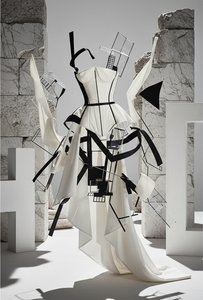
Gianfranco Ferré: Deconstructing Haute Couture – A Legacy of Architectural Form
Explore the revolutionary world of Gianfranco Ferré, 'the architect of fashion.' Discover his architectural approach to haute couture, iconic Dior designs, and lasting influence on luxury style. A deep dive for collectors & enthusiasts.