

 Поделиться
 Поделиться
 Детали произведения

 Скачать
 Похожие работы
 Слайд-шоу
 Статистика
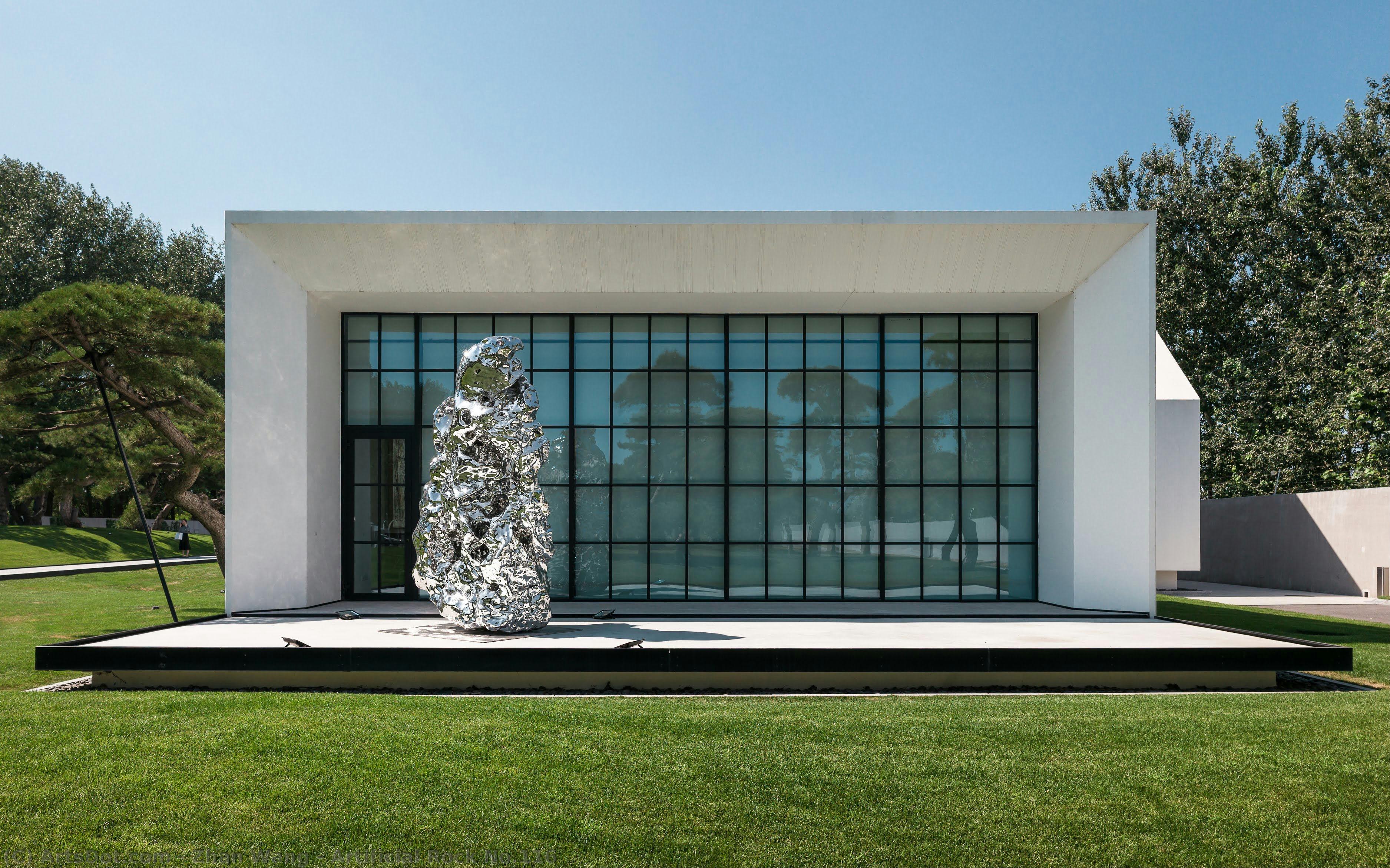
Artificial Rock No.116
 Metalwork
- Sculpture
- Contemporary Art
 2007
2007- Contemporary
 350.0 x 165.0 cm
 Song Art Museum
 Читать далее
Масляная репродукция ручной работы
Картина маслом на холсте в выбранном вами размере и раме, написанная на заказ нашими художниками. ( Перейти к печати Перейти к цифровым изображениям)




































Выберите один из наших стандартных размеров, соответствующих оригинальным пропорциям произведения искусства.

Вы можете указать собственные размеры, чтобы картина идеально вписалась в выбранную раму или пространство. Если выбранный вами размер не соответствует пропорциям оригинала, мы либо обрежем полотно, либо расширим его за счет дополнительных элементов, написанных вручную. Цифровой макет будет отправлен вам на утверждение перед началом производства.
Обратите внимание, что предварительный просмотр на экране не отражает фактическую обрезку или расширение. Только макет точно покажет окончательную композицию.
Хотя доступны индивидуальные размеры, мы рекомендуем выбирать вариант из предопределенного списка, чтобы сохранить исходные пропорции.
После оформления заказа команда ArtsDot.com свяжется с клиентом по электронной почте для уточнения деталей и предоставит предварительный макет
Доставка по всему миру () за 3–4 недели вместо стандартных 5 недель. (11 Сентябрь). Без компромиссов в качестве.

Бесплатная экспресс-доставка по всему миру

Высококачественный льняной холст

Полное страхование доставки

Гарантия возмещения таможенных пошлин

Гарантия точного соответствия цветов

100-дневная политика возврата (только при обнаружении дефектов)

Гарантия возврата 100% средств

Предложение оптовых скидок
 Вариант со стеклом доступен только для размеров менее 110 см

Artificial Rock No.116
Техника репродукции
Размер репродукции
-


Итоговая стоимость
$ 263
The Alchemy of Steel and Stone
In the heart of contemporary sculpture, few works command attention with as much quiet intensity as Zhan Wang’s Artificial Rock No.116. Created in 2007, this monumental piece serves as a profound meditation on the intersection of nature and human industry. At first glance, the viewer is confronted by the rugged, organic silhouette of a traditional scholar's stone, yet upon closer inspection, the illusion dissolves into the brilliant, reflective sheen of polished stainless steel. This striking juxtaposition creates a sensory experience that oscillates between the ancient and the ultra-modern, inviting the observer to question the very boundaries of reality and artifice.
The mastery behind this work lies in its painstaking technical execution, a process that is as much an act of devotion as it is of engineering. Since 1995, Zhan Wang has refined a method that begins with the selection of a natural stone to serve as a primordial mold. The artist meticulously applies stainless steel plates to the rock's surface, hammering them to capture every minute crevice, ridge, and hollow. This complex "rubbing" technique requires the metal to be divided into numerous small, irregular fragments, which are then painstakingly welded and polished back together. The result is a seamless metamorphosis: a cold, industrial material reborn as a weathered, organic form that retains the exact topographical soul of its natural predecessor.
A Dialogue Between Eras
To understand Artificial Rock No.116, one must look toward the cultural landscape of Beijing and the broader evolution of Chinese identity. Zhan Wang, a pivotal figure in contemporary Chinese sculpture, utilizes the concept of the "scholar's stone"—a staple of classical Chinese literati culture—to explore themes of transformation. By cladding these ancient symbols in the skin of the industrial age, he creates a powerful metaphor for China’s rapid modernization. The sculpture stands as a sentinel of change, embodying the tension between the enduring weight of tradition and the sleek, ephemeral nature of the technological future.
For the discerning collector or interior designer, this piece offers an unparalleled emotional and aesthetic impact. Its reflective surface does more than just shine; it actively engages with its environment, mirroring the light, colors, and movement of the space it inhabits. In a sophisticated gallery setting or a high-end residential interior, the work acts as a focal point of intellectual depth. It brings a sense of "material wonder"—a feeling of awe at how something so seemingly permanent can feel so fluid. Whether placed within a minimalist modern hall or an eclectic contemporary lounge, Artificial Rock No.116 provides a timeless elegance that bridges the gap between the earth beneath our feet and the metallic skyline of tomorrow.
Похожие произведения



Биография художника
Zhan Wang: Sculpting Echoes of Tradition and Modernity
Zhan Wang, born in Beijing in 1962, is a pivotal figure in contemporary Chinese sculpture, an artist who has masterfully interwoven the rich tapestry of his cultural heritage with the demands of modern aesthetics. His journey began not within formal art institutions but through early exposure to traditional arts – brush painting from his grandfather and sketching lessons from his uncle, foreshadowing a lifelong fascination with form and texture. This nascent interest blossomed into a rigorous education at Beijing Industrial Arts College in 1978, where he initially studied Soviet-style sculpture, grounding him in classical techniques before transitioning to the Central Academy of Fine Arts in 1983, specializing in sculpture. It was during this period that Wang began to forge his distinctive voice, moving beyond traditional representations and embracing a conceptual approach deeply rooted in Chinese symbolism.
Wang’s artistic trajectory is marked by a deliberate departure from conventional sculptural practices. His early work, exemplified by *In a Twinkling* (1993), showcased a radical shift: instead of depicting religious or heroic figures, he placed meticulously crafted, hyperrealistic figurative sculptures in unexpected and often jarring locations – outside buildings, amidst urban landscapes. This subversive act immediately established him as an “iconoclast,” challenging viewers to reconsider their perceptions of art and its relationship to the world around them. The installation’s surrealistic vision, a distorted reflection of reality, signaled Wang's commitment to exploring complex ideas through unconventional means.
The Floating Stones: A Study in Texture and Symbolism
Central to Wang’s artistic identity is his series of “floating stones,” or *scholar rocks*, which have become arguably his most recognizable work. These monumental, highly textured pieces are not mere imitations of natural rock; they are carefully constructed sculptures coated in a shimmering layer of chrome. The term "scholar rock" carries immense significance within Chinese culture – these stones were revered for their perceived purity and imbued with the essence of *qi*, or vital energy. Wang’s interpretation elevates this tradition, transforming the stone into an artificial object that simultaneously references and critiques its historical context.
The creation process itself is a testament to Wang's meticulousness and technical skill. He begins by meticulously shaping and manipulating stainless steel plates, employing techniques of hammering, bending, and heating to replicate the contours and textures of natural rocks. This painstaking process results in sculptures that possess an uncanny resemblance to their organic counterparts while simultaneously embodying a distinctly modern aesthetic. The chrome finish adds a layer of artificiality, highlighting the tension between nature and technology, tradition and innovation.
Conceptual Depth and Artistic Influences
Wang’s work transcends mere sculptural technique; it is deeply rooted in conceptual ideas. He frequently draws upon Chinese cultural symbolism, particularly the concept of the rock – a potent symbol of stability, wisdom, and longevity. However, he doesn't simply replicate traditional representations. Instead, he uses the form of the scholar’s rock as a vehicle for exploring contemporary themes such as urbanization, globalization, and the relationship between past and present. His pieces often evoke a sense of melancholy or quiet contemplation, prompting viewers to reflect on the changing landscape of China and its cultural identity.
While firmly rooted in Chinese tradition, Wang’s work also demonstrates an awareness of broader artistic influences. The influence of Henry Moore and Barbara Hepworth is evident in the abstract forms and smooth surfaces of his “floating stones,” yet he imbues these references with a distinctly Chinese sensibility. His use of industrial materials – stainless steel – further underscores this dialogue between tradition and modernity, reflecting the rapid transformations occurring within China’s society.
Recognition and Legacy
Zhan Wang's artistic vision has been widely recognized both domestically and internationally. He has exhibited his work in over 125 exhibitions, including numerous solo shows, and his sculptures are featured in prominent collections worldwide. His work has garnered critical acclaim from leading art journals such as *Art Journal* and *The Telegraph*, with critics praising his innovative approach to sculpture and his ability to seamlessly blend cultural symbolism with contemporary aesthetics.
Wang’s impact extends beyond the realm of individual artworks; he is considered a key figure in the development of contemporary Chinese sculpture, pushing the boundaries of the medium and contributing significantly to the dialogue surrounding Chinese art and culture. His “floating stones” remain iconic symbols of this era, embodying both the weight of history and the promise of the future.

Zhan Wang
1962 - , China
Основные сведения
- Artistic Movement Or Style: Abstract sculpture
- Artists Or Movements Influenced By This Artist:
- Chinese culture
- Modern art
- Artists Who Influenced This Artist:
- Henry Moore
- Barbara Hepworth
- Date Of Birth: 1962
- Full Name: Zhan Wang
- Nationality: Chinese
- Notable Artworks:
- Artificial rock #99
- In a Twinkling
- Scholar Rocks
- Place Of Birth: Beijing, China
Похожие статьи
Непреходящее наследие бронзовой скульптуры: история, техники и современные интерпретации
Узнайте историю бронзовой скульптуры, техники литья и советы по коллекционированию от экспертов. Откройте для себя вечное искусство бронзы!

The Enduring Form: Sculpture Across History, Technique & Emotional Resonance
Explore the rich history of sculpture with ArtsDot. Discover key techniques, influential artists & investment potential for discerning collectors. Expert insights into valuing and collecting timeless masterpieces.

10 легендарных бронзовых шедевров, изменивших искусство | ArtsDot
Погрузитесь в мир великих бронзовых шедевров! От Давида Донателло до Мыслителя Родена – узнайте историю создания, технику и значение легендарных скульптур. Вдохновение для интерьера и музейное качество репродукций на ArtsDot.com.

10 легендарных бронзовых скульптур, изменивших искусство навсегда | ArtsDot
Погрузитесь в мир великих бронзовых скульптур! От Давида Микеланджело до работ Родена – история искусства, техники и вдохновения. Купите репродукции шедевров для вашего интерьера на ArtsDot.com

The Enduring Form: Exploring Themes & Techniques in Sculpture Across Historical Periods
Explore the rich history of sculpture from ancient masterpieces to contemporary innovations. Discover key techniques, influential artists & investment potential for discerning art collectors.