

 Предпросмотр
 Поделиться
 Поделиться
 Детали произведения

 Скачать
 Похожие работы
 Рентгенография
 Слайд-шоу
 Статистика
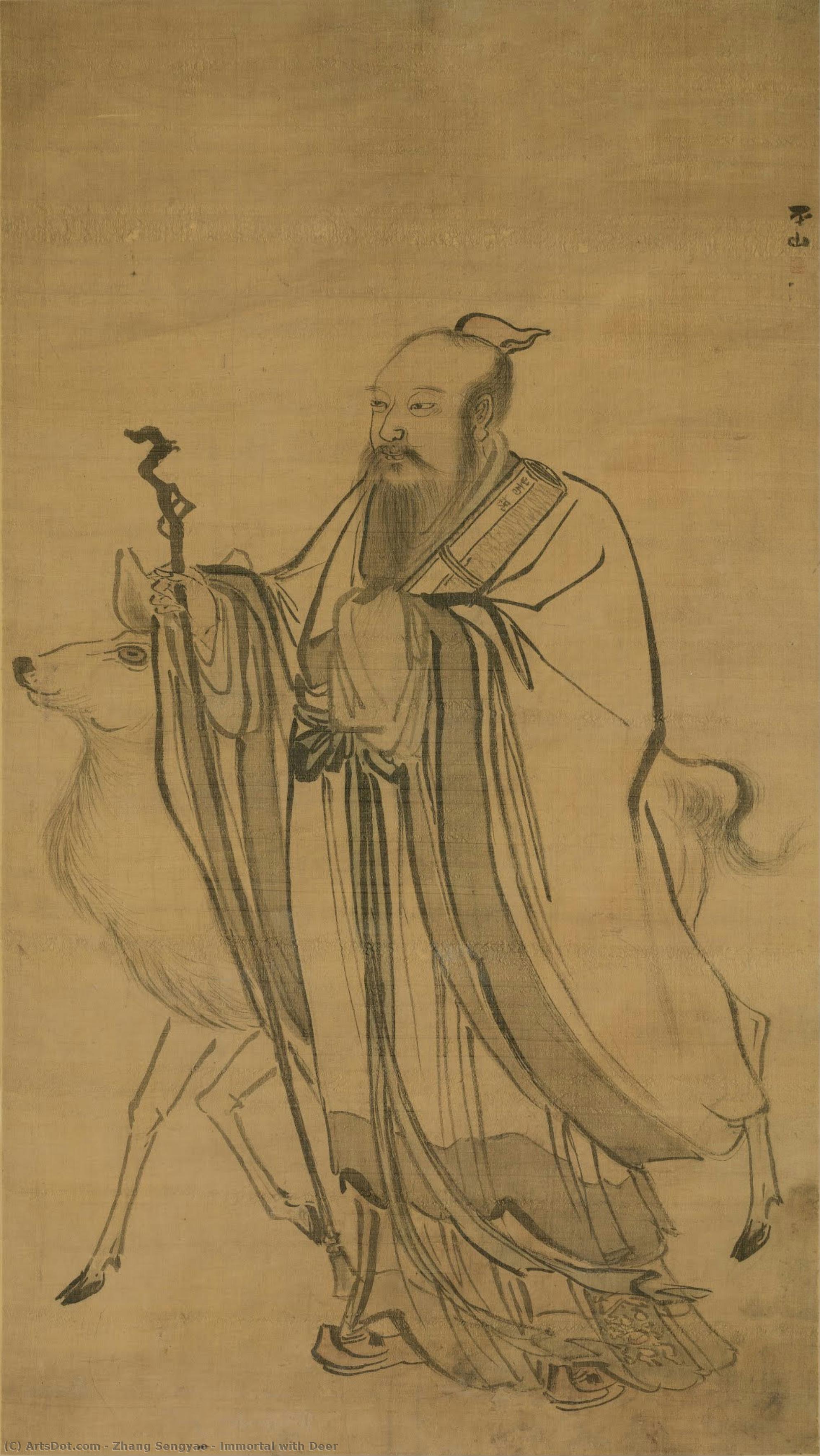
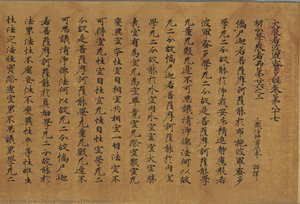
Immortal with Deer
 148.0 x 83.0 cm
 Читать далее
Жикле / Арт-принт
Печать (жикле) или холст музейного качества с быстрыми сроками изготовления и широким выбором вариантов отделки. ( Купить картину ручной работы Перейти к цифровым изображениям)




































Выберите один из наших стандартных размеров, соответствующих оригинальным пропорциям произведения искусства.

Вы можете указать свои собственные размеры, чтобы репродукция идеально подошла под конкретную раму или пространство. Если выбранный вами размер не будет соответствовать пропорциям оригинала, мы либо обрежем произведение, либо дополним изображение зеркальным отражением краев или однотонной заливкой. Перед началом производства вам будет отправлен цифровой макет для утверждения.
Пожалуйста, обратите внимание, что предварительный просмотр на экране не отображает фактическую обрезку или расширение изображения. Только макет точно покажет финальную композицию.
Несмотря на возможность заказа индивидуальных размеров, мы рекомендуем выбирать размер из предопределенного списка, чтобы сохранить оригинальные пропорции.
Доставка по всему миру () за 2 недели вместо стандартных 4/5 недель. (13 Сентябрь)

Бесплатная экспресс-доставка по всему миру

Высококачественный льняной холст

Полное страхование доставки

Гарантия возмещения таможенных пошлин

Гарантия точного соответствия цветов

100-дневная политика возврата (только при обнаружении дефектов)

Гарантия возврата 100% средств

Предложение оптовых скидок
 Вариант со стеклом доступен только для размеров менее 110 см

Immortal with Deer
Жикле / Арт-принт
Размер репродукции
-


Итоговая стоимость
$ 62
Похожие произведения



Биография художника
Zhang Sengyao (c. 490 – c. 540) - A Master of Liang Dynasty Ink Wash Painting
Zhang Sengyao remains an enigmatic figure in Chinese art history, shrouded in legend and celebrated for a single extraordinary tale that encapsulates the essence of artistic perfection. Despite the scarcity of biographical details—his birth year is unknown, and his death date uncertain—scholars agree on his active period during the Liang Dynasty (502–557 CE), a turbulent era marked by political fragmentation and religious fervor.
Born in Wu Commandery (modern Suzhou), Zhang Sengyao hailed from one of Wu’s four prominent clans, known for their patronage of art and scholarship. His family’s influence undoubtedly fostered his artistic inclinations, though concrete evidence regarding his formal education remains elusive. However, his dedication to Buddhist principles—evident in his lifelong devotion to the Dharma—shaped his worldview and profoundly impacted his artistic vision.
Zhang Sengyao gained renown primarily through his monumental contribution to Buddhist temple decoration, specifically the Anle Temple murals in Jinling (present-day Nanjing). These vibrant depictions of dragons—a symbol of imperial power and auspiciousness—became immortalized by a captivating anecdote that cemented his place in artistic lore.
The Legend of Flying Dragons
According to Xu Hao’s *Health Record*, Zhang Sengyao was commissioned by the Liang Prince to adorn the temple walls with four golden dragons. Driven by meticulous craftsmanship and philosophical contemplation, he painstakingly painted each dragon, striving for unparalleled realism. However, faced with skepticism from onlookers who questioned his assertion that adding eyes would cause the dragons to fly away—a statement deemed absurd by many—Zhang persevered.
With unwavering resolve, Zhang deliberately omitted pupils from two of the dragons’ eyes. He reasoned that the essence of a dragon resided in its spirit, and completing the image with eyes would infuse it with life force, triggering its ascent into the heavens. The onlookers scoffed at his unconventional approach, urging him to finalize the painting by adding pupils.
Undeterred, Zhang finally completed the task on two dragons. Immediately thereafter, a dramatic lightning bolt struck the temple wall where the dragons were situated. To everyone’s astonishment, the two dragons with pupils added to their eyes burst forth from the mural and soared into the sky—disappearing amidst thunder and lightning—leaving the remaining two dragons untouched.
Style and Technique
Zhang Sengyao's artistic style is characterized by a masterful command of ink wash painting (水墨畫), a technique deeply rooted in Daoist philosophy. He employed subtle gradations of tone, meticulous brushwork, and careful compositional arrangements to convey profound spiritual depth and visual splendor. His paintings exemplify the Liang Dynasty’s aesthetic sensibilities—a fusion of Buddhist iconography with refined artistic craftsmanship.
Scholars attribute Zhang Sengyao's distinctive style to influences from earlier masters such as Wang Meng (王夢) and Guo Xi (郭熙), who championed a contemplative approach to art that prioritized conveying inner harmony and capturing the sublime beauty of nature. Zhang’s meticulous attention to detail—particularly in depicting textures and atmospheric effects—reflects this legacy.
Legacy and Significance
Despite the loss of nearly all his extant works, Zhang Sengyao's tale continues to resonate throughout Chinese art history as a symbol of artistic perfection—a testament to the transformative power of intention and unwavering dedication. The legend encapsulates the Daoist belief that “completeness” is achieved not merely through technical skill but also through aligning oneself with cosmic principles.
More broadly, Zhang Sengyao’s contribution to Buddhist temple decoration underscores the importance of art as a vehicle for spiritual expression—a tradition that endured throughout subsequent dynasties and continues to inspire artists today. His legacy serves as an enduring reminder that true artistry transcends mere imitation; it strives to capture the essence of existence itself.
zhang sengyao
China
Основные сведения
- Artistic Movement Or Style: Ink Style
- Full Name: Zhang Sengyao
- Nationality: Chinese
- Notable Artworks:
- Rolling Horses
- Immortal with Deer
- Title(Japanese): 大般若経(薬師寺経)
- Place Of Birth: Wu Commandery (Suzhou)