

 Предпросмотр
 Поделиться
 Поделиться
 Детали произведения

 Скачать
 Похожие работы
 Рентгенография
 Слайд-шоу
 Статистика
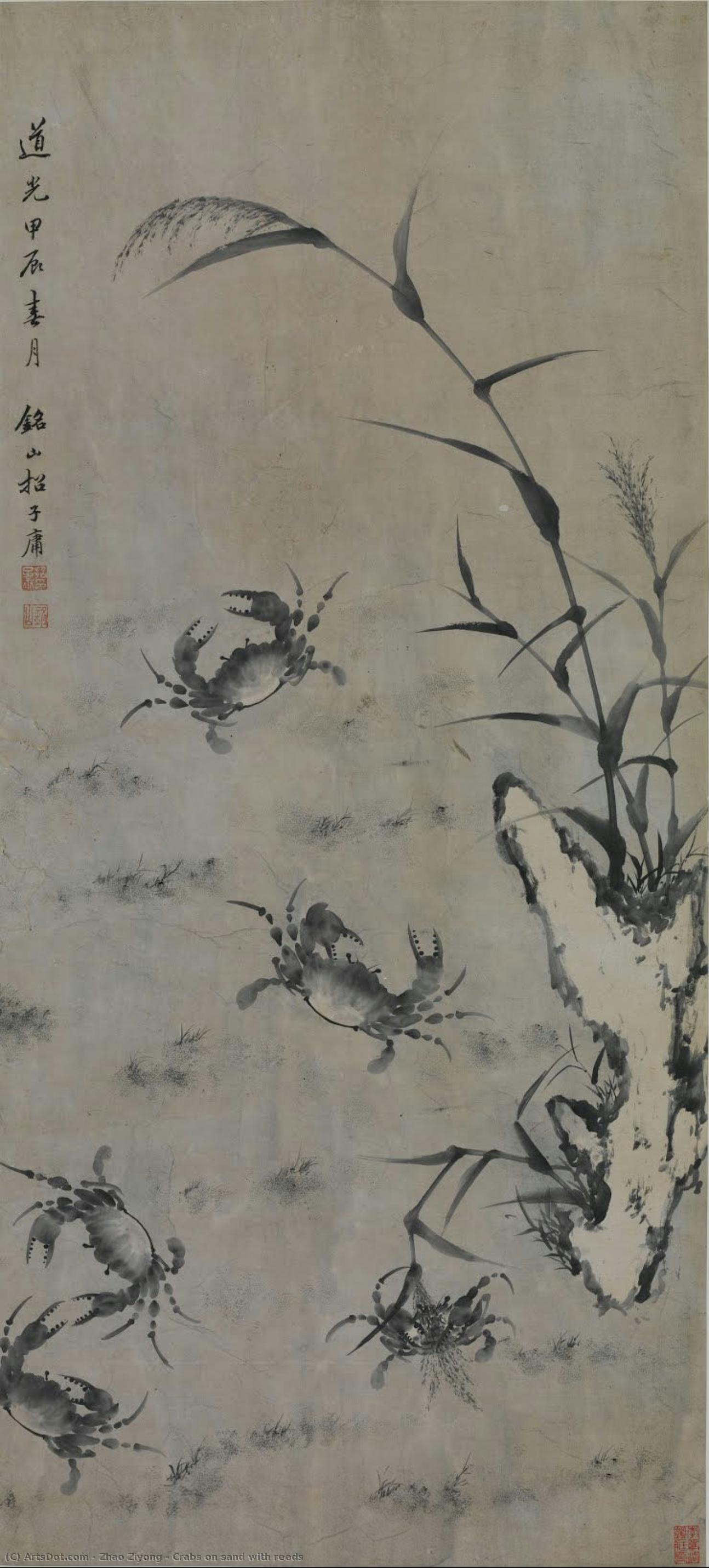
Crabs on sand with reeds
 Contemporary Realism
 54.0 x 120.0 cm
 Гонконгский музей искусств
 Читать далее
Приобретите цифровое изображение высокого разрешения в улучшенном качестве, которое значительно превосходит онлайн-превью.
Каждый файл тщательно подготавливается нашими специалистами с использованием передовых инструментов и экспертной ручной ретуши. Мы гарантируем исключительную четкость, точную цветопередачу и детальную проработку каждого изображения.
Финальный файл доставляется по электронной почте в течение 72 часов и оптимизирован для немедленного использования в профессиональной среде, при верстке и печати. Это тот же уровень качества, которому доверяют ведущие дизайнерские студии, издательства и галереи.
Цифровое изображение
Скачайте файл высокого разрешения для личного использования, печати и творческих проектов. ( Перейти к печати Купить картину ручной работы)
Включено в каждый заказ цифровых изображений
Гарантия экспертной цифровой доставки
Выбирая ArtsDot.com, вы получаете не просто изображение — вы приобретаете профессионально обработанное цифровое произведение искусства, созданное с безупречной точностью и под защитой гарантии качества. Вот всё, что автоматически входит в ваш заказ:

Мгновенная доставка по e-mail
Ваш цифровой файл в высоком разрешении будет отправлен вам по электронной почте в течение 72 часов после оформления заказа — и сразу станет доступен для использования.

Цифровой файл с ИИ-улучшением
Ваше произведение искусства проходит профессиональную оптимизацию с использованием передовых инструментов ИИ и ручной обработки, что гарантирует максимальную детализацию, четкость и точность цветопередачи.

Бессрочная бесплатная повторная доставка
Случайно удалили или потеряли файл? Не беспокойтесь — мы отправим его вам повторно в любое время и совершенно бесплатно.

Без импортных пошлин — навсегда
Наслаждайтесь вашим произведением искусства мгновенно без таможенных пошлин, сборов или затрат на доставку — цифровые загрузки всегда не облагаются налогом.

Гарантия точности цветопередачи
Мы гарантируем, что ваше цифровое изображение максимально точно передает оригинальные цвета благодаря использованию профессиональных инструментов и систем управления цветом.

Гарантия удовлетворенности 100 дней
Если вы не будете удовлетворены своим цифровым изображением, мы внесем правки или вернем 100% стоимости в течение 100 дней — без лишних вопросов.

100% Гарантия возврата средств
Не удовлетворены покупкой? Получите полный возврат средств в течение 100 дней после получения цифрового файла — без лишних вопросов.

Скидки на оптовые заказы
Купите 3 изображения, сэкономьте 10% — Купите 5, сэкономьте 15% — Купите 10+, сэкономьте 20%. Отличное решение для творческих проектов, галерей и агентств.
Похожие произведения
Биография художника
Zhao Ziyong: A Master of Cantonese Brush and Confucian Echoes
Zhao Ziyong (1786-1847) stands as a singular figure in Chinese art, a master whose unique blend of calligraphy, landscape painting, and Confucian scholarship created a distinctive artistic voice. Born in Hong Kong or Macau – locations steeped in the rich traditions of Cantonese language and culture – his life was inextricably linked to the evolving literary landscape of China during a period of significant social and political upheaval. Unlike many of his contemporaries who focused primarily on formal brushwork and traditional subjects, Ziyong’s work is characterized by an intellectual depth and linguistic precision that set him apart, particularly through his innovative use of written Cantonese within his artistic creations. Ziyong's early life was shaped by the legacy of his father, Wang Lang, a prominent official during the Three Kingdoms period. This lineage imbued him with a sense of responsibility and a deep appreciation for Confucian ideals. He later inherited the title and marquisate of Marquis of Lanling from his father, solidifying his position within the court. However, Ziyong’s true calling lay not in political maneuvering but in artistic expression. He served as a scholar and official under the Cao Wei state, demonstrating an ability to navigate complex social structures while simultaneously pursuing his artistic passions. Notably, he was also deeply involved in compiling the Kongzi Jiayu – a collection of Confucian sayings that were absent from the Analects, offering a unique perspective on the teachings of Confucius. This dual role as scholar and artist reflects a core aspect of Ziyong’s identity: a commitment to both intellectual rigor and artistic innovation.The Language of Art: Cantonese Calligraphy and Symbolic Landscapes
Ziyong's most distinctive contribution to Chinese art lies in his masterful integration of written Cantonese into his paintings. Recognizing the unique linguistic richness and expressive potential of this dialect, he developed new characters for words that were absent from standard Mandarin, effectively expanding the visual vocabulary of Chinese calligraphy. This wasn’t merely a decorative flourish; it was a deliberate attempt to capture the nuances of Cantonese speech and imbue his artwork with a sense of place and cultural identity. His landscapes, often depicting coastal scenes like crabs on sand with reeds – a particularly evocative piece showcasing the interplay of nature and human activity – are rendered in a style deeply rooted in traditional Chinese ink wash painting (shui hua). Yet, they possess an unusual immediacy and emotional resonance, achieved through his careful selection of imagery and his subtle use of color. The symbolism within Ziyong’s works is equally compelling. He frequently employed elements from Confucian philosophy – bamboo representing resilience, rocks symbolizing stability, and water embodying fluidity – to convey deeper meanings about human nature and the relationship between humanity and the natural world. His paintings are not simply representations of scenery; they are carefully constructed allegories designed to evoke contemplation and inspire moral reflection. The inclusion of titles inscribed in his own elegant calligraphy further enhances this symbolic dimension, inviting viewers to engage with the artwork on a more intellectual level.A Confucian Scholar’s Legacy: Influence and Artistic Style
Ziyong's artistic style evolved over time, influenced by various factors including his scholarly pursuits and his exposure to different artistic traditions. He drew inspiration from both Northern Song landscape painting – known for its atmospheric effects and subtle brushwork – and the more formal styles of court painting prevalent during the Yuan dynasty. However, he never fully embraced any single stylistic convention, instead forging a unique synthesis that reflected his own intellectual sensibilities. His paintings are characterized by their meticulous attention to detail, their balanced compositions, and their understated elegance. Furthermore, Ziyong’s influence extended beyond the realm of art. As a Confucian scholar, he played a significant role in promoting the teachings of Confucius during a period when traditional values were under threat from foreign influences and social unrest. His compilation of the Kongzi Jiayu was a valuable contribution to scholarship, ensuring that the wisdom of Confucius would be preserved for future generations. His daughter, Wang Yuanji, married Sima Zhao, the first emperor of the Jin dynasty, cementing his family’s place in Chinese history.Notable Works and Historical Significance
Among Ziyong's most celebrated works is “Listening to a Zither,” a captivating depiction of officials enjoying a musical performance. This painting exemplifies his mastery of both calligraphy and landscape painting, seamlessly blending technical skill with symbolic meaning. Other notable pieces include depictions of bamboo, orchids, and rocks – each imbued with layers of philosophical significance. His work has been featured in numerous exhibitions, including those at the Mia (Museum of International Art) and other prominent institutions worldwide. Zhao Ziyong’s legacy as an artist and scholar is profound. He represents a rare confluence of artistic talent, intellectual curiosity, and cultural awareness. His innovative use of written Cantonese, his masterful brushwork, and his deep engagement with Confucian philosophy have left an enduring mark on Chinese art and culture, solidifying his place as one of the most distinctive and influential figures of the late 18th and early 19th centuries. His work continues to be studied and admired for its beauty, complexity, and profound insights into the human condition.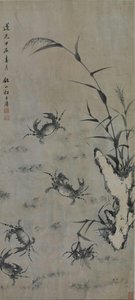
zhao ziyong
China
Основные сведения
- Artistic Movement Or Style: Calligraphy & Landscapes
- Date Of Death: 1846
- Full Name: Zhao Ziyong
- Nationality: Chinese
- Notable Artworks:
- Crabs on Sand
- Listening to a Zither
- Place Of Birth: Hong Kong/Macau