

 Предпросмотр
 Поделиться
 Поделиться
 Детали произведения

 Скачать
 Похожие работы
 Рентгенография
 Слайд-шоу
 Статистика
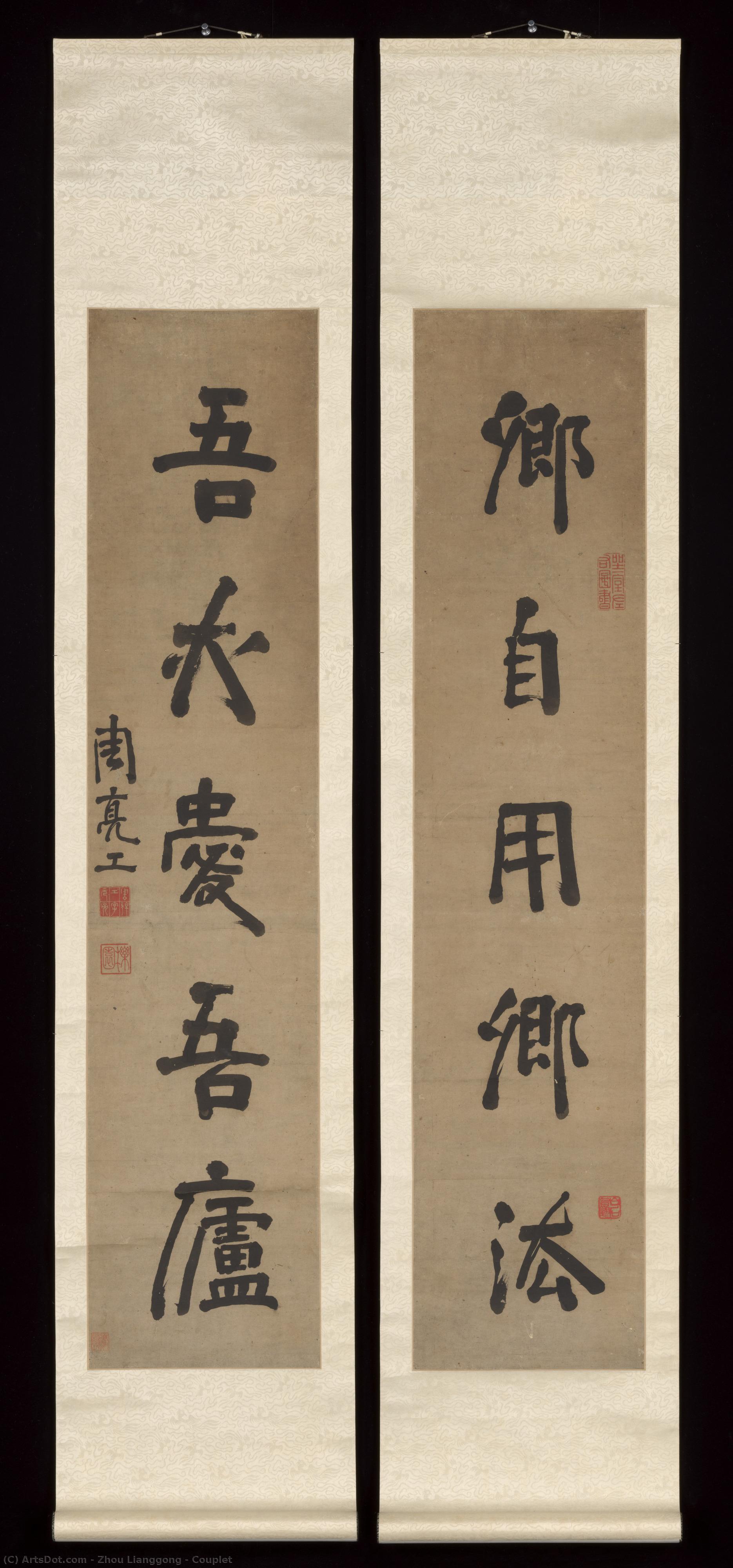
Couplet
 601
601 163.0cm x 30.0cm
 Читать далее
Приобретите цифровое изображение высокого разрешения в улучшенном качестве, которое значительно превосходит онлайн-превью.
Каждый файл тщательно подготавливается нашими специалистами с использованием передовых инструментов и экспертной ручной ретуши. Мы гарантируем исключительную четкость, точную цветопередачу и детальную проработку каждого изображения.
Финальный файл доставляется по электронной почте в течение 72 часов и оптимизирован для немедленного использования в профессиональной среде, при верстке и печати. Это тот же уровень качества, которому доверяют ведущие дизайнерские студии, издательства и галереи.
Цифровое изображение
Скачайте файл высокого разрешения для личного использования, печати и творческих проектов. ( Перейти к печати Купить картину ручной работы)
Включено в каждый заказ цифровых изображений
Гарантия экспертной цифровой доставки
Выбирая ArtsDot.com, вы получаете не просто изображение — вы приобретаете профессионально обработанное цифровое произведение искусства, созданное с безупречной точностью и под защитой гарантии качества. Вот всё, что автоматически входит в ваш заказ:

Мгновенная доставка по e-mail
Ваш цифровой файл в высоком разрешении будет отправлен вам по электронной почте в течение 72 часов после оформления заказа — и сразу станет доступен для использования.

Цифровой файл с ИИ-улучшением
Ваше произведение искусства проходит профессиональную оптимизацию с использованием передовых инструментов ИИ и ручной обработки, что гарантирует максимальную детализацию, четкость и точность цветопередачи.

Бессрочная бесплатная повторная доставка
Случайно удалили или потеряли файл? Не беспокойтесь — мы отправим его вам повторно в любое время и совершенно бесплатно.

Без импортных пошлин — навсегда
Наслаждайтесь вашим произведением искусства мгновенно без таможенных пошлин, сборов или затрат на доставку — цифровые загрузки всегда не облагаются налогом.

Гарантия точности цветопередачи
Мы гарантируем, что ваше цифровое изображение максимально точно передает оригинальные цвета благодаря использованию профессиональных инструментов и систем управления цветом.

Гарантия удовлетворенности 100 дней
Если вы не будете удовлетворены своим цифровым изображением, мы внесем правки или вернем 100% стоимости в течение 100 дней — без лишних вопросов.

100% Гарантия возврата средств
Не удовлетворены покупкой? Получите полный возврат средств в течение 100 дней после получения цифрового файла — без лишних вопросов.

Скидки на оптовые заказы
Купите 3 изображения, сэкономьте 10% — Купите 5, сэкономьте 15% — Купите 10+, сэкономьте 20%. Отличное решение для творческих проектов, галерей и агентств.
Похожие произведения









Биография художника
Zhou Lianggong (周亮工): A Poet's Patronage and the Shaping of Qing Dynasty Art
Zhou Lianggong (周亮工), born in Kaifeng, China around 1612, stands as a singular figure within the artistic landscape of the seventeenth century—a poet, calligrapher, essayist, and crucially, an art historian who profoundly impacted the trajectory of Qing dynasty painting. Unlike many of his contemporaries preoccupied with grand narratives of imperial grandeur, Zhou Lianggong’s legacy rests on a remarkably focused endeavor: documenting and championing the work of contemporary painters and seal carvers—a dedication that distinguishes him as one of the most influential connoisseurs of his time. His life unfolded amidst turbulent political upheaval, marked by service to both Ming and Qing dynasties, yet it was his unwavering commitment to preserving artistic heritage that cemented his place in art history.- Early Life & Education: Zhou Lianggong’s upbringing instilled a deep appreciation for Confucian scholarship and calligraphy—skills he honed diligently throughout his formative years. His family lineage traced back to Nanjing, establishing him within a prominent aristocratic circle where artistic pursuits were considered essential components of noble education.
- Jinshi Examination & Initial Career: In 1640, Zhou Lianggong successfully navigated the grueling Jinshi examination, securing his place as a magistrate in Weixian, Shandong. This pivotal moment signaled not merely professional advancement but also an engagement with governance—a role that would later expose him to the perils of political instability.
- Defense of Weixian & The Qing Conquest: Zhou Lianggong’s courage shone during the siege of Weixian by Manchu forces led by Abatai. Demonstrating unwavering loyalty and strategic acumen, he successfully defended the city—a feat that garnered considerable acclaim but also propelled him into a perilous path toward Beijing.
The Turbulent Qing Era & Artistic Patronage
Following Li Zicheng’s rebellion and the subsequent collapse of Ming rule, Zhou Lianggong found himself embroiled in the chaotic scramble for power. Forced to flee Nanjing amidst escalating violence, he ultimately succumbed to Qing dominion—a circumstance that ironically afforded him opportunities to serve within the burgeoning imperial court. His involvement spanned multiple roles, reflecting his versatility as a diplomat and administrator, yet it was his patronage of artists that truly defined his contribution to Qing artistic culture. Recognizing the importance of preserving artistic memory, Zhou Lianggong embarked on an ambitious project—the compilation of *Da Hua Lu* (Lives of Painters) and *Yinren Zhuan* (Lives of Seal Carvers)—volumes that meticulously documented the biographies and achievements of contemporary painters and seal carvers. This undertaking stands apart from conventional connoisseurship, prioritizing scholarly investigation over mere aesthetic appreciation.- Laigutang Ji: Zhou Lianggong’s magnum opus is arguably *Laigutang Ji* (賴古堂集), a collection of poetry that embodies his profound sensitivity to beauty and his unwavering dedication to artistic excellence. The poems explore themes of nature, morality, and human experience—reflecting Zhou Lianggong's intellectual curiosity and artistic vision.
- Influence & Legacy: Zhou Lianggong’s meticulous scholarship profoundly impacted the study of Qing dynasty art history. His *Da Hua Lu* and *Yinren Zhuan* became foundational texts for subsequent generations of scholars—establishing him as a pioneer in biographical art criticism and shaping the intellectual discourse surrounding artistic achievement.
Prison Writings & The Democratic Spirit of Artistic Collaboration
Zhou Lianggong’s later years were marked by imprisonment following accusations of corruption levied against him by Tongtai, Governor General of Fujian and Zhejiang. Despite these challenges, he persevered in his artistic pursuits—producing *Yinshuwu Shuying* (因樹屋書影)—a remarkable collection of jottings compiled during his incarceration. This work exemplifies Zhou Lianggong’s unwavering commitment to artistic expression even amidst adversity—demonstrating a spirit of collaboration and intellectual engagement that distinguishes him from many of his peers. The compilation itself was a testament to the democratic ethos of Zhou Lianggong's era, reflecting the participation of numerous associates in documenting their collective experiences.Concluding Reflections: A Champion of Artistic Memory
Zhou Lianggong died in 1672, leaving behind an enduring legacy as a poet, calligrapher, and above all, a fervent advocate for preserving artistic heritage. His meticulous scholarship—particularly his biographical studies—established him as a pivotal figure in Qing art history—a scholar who recognized the importance of documenting artistic achievements and ensuring their remembrance across generations. Zhou Lianggong’s unwavering dedication to this noble pursuit continues to inspire artists and scholars alike—solidifying his place as one of China's most distinguished cultural luminaries.
zhou lianggong
1612 - 1672 , China
Основные сведения
- Artistic Movement Or Style: Literary
- Artists Or Movements Influenced By This Artist: ['None Known']
- Artists Who Influenced This Artist: ['None Known']
- Date Of Birth: Kaifeng, China (1612)
- Date Of Death: 1672
- Full Name: Zhou Lianggong
- Nationality: Chinese
- Notable Artworks: ['Laigutang Ji']
- Place Of Birth: Kaifeng, China