

 Предпросмотр
 Поделиться
 Поделиться
 Детали произведения

 Скачать
 Похожие работы
 Рентгенография
 Слайд-шоу
 Статистика
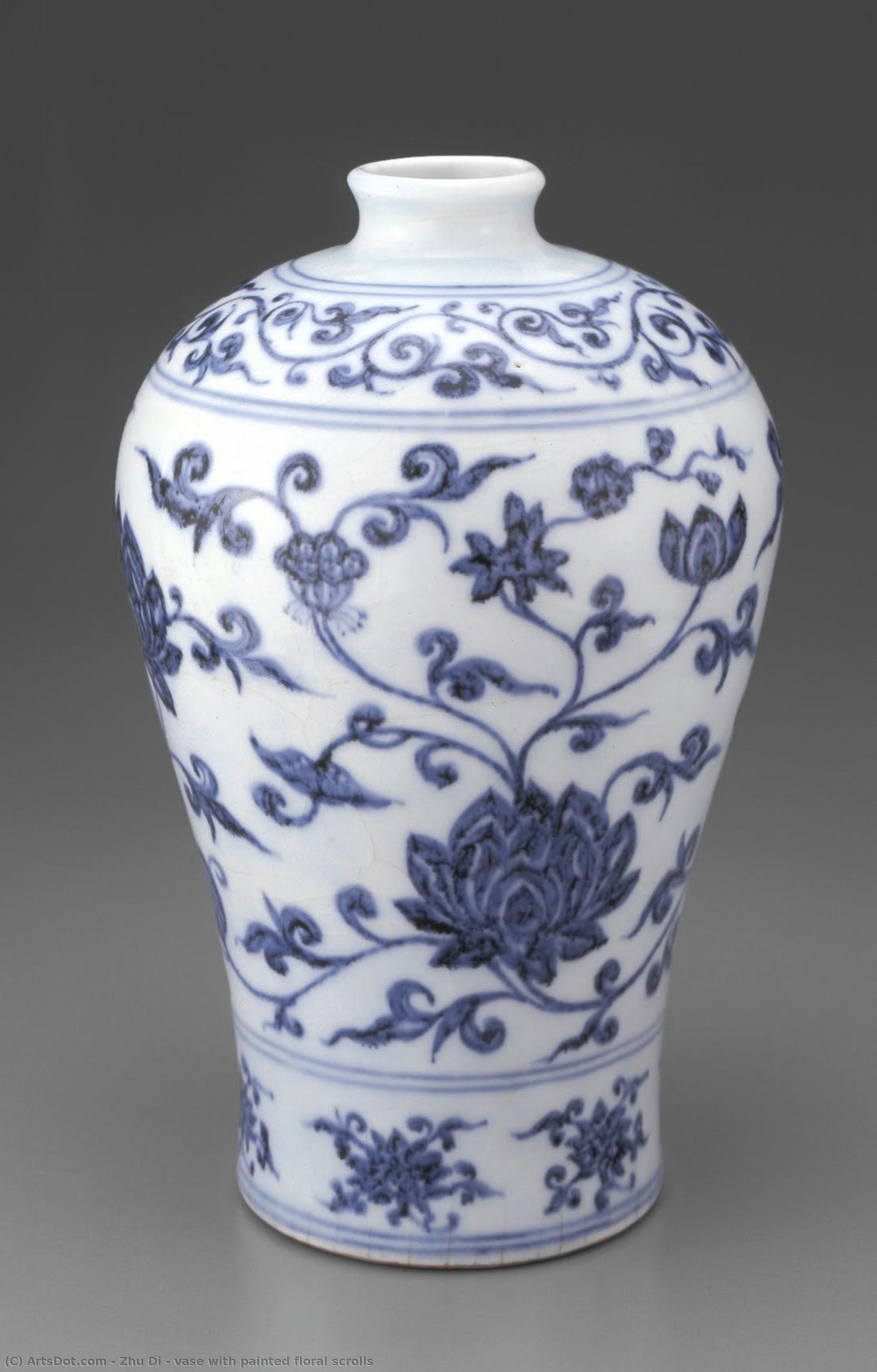
vase with painted floral scrolls


 Читать далее
Приобретите цифровое изображение высокого разрешения в улучшенном качестве, которое значительно превосходит онлайн-превью.
Каждый файл тщательно подготавливается нашими специалистами с использованием передовых инструментов и экспертной ручной ретуши. Мы гарантируем исключительную четкость, точную цветопередачу и детальную проработку каждого изображения.
Финальный файл доставляется по электронной почте в течение 72 часов и оптимизирован для немедленного использования в профессиональной среде, при верстке и печати. Это тот же уровень качества, которому доверяют ведущие дизайнерские студии, издательства и галереи.
Цифровое изображение
Скачайте файл высокого разрешения для личного использования, печати и творческих проектов. ( Перейти к печати Купить картину ручной работы)
Включено в каждый заказ цифровых изображений
Гарантия экспертной цифровой доставки
Выбирая ArtsDot.com, вы получаете не просто изображение — вы приобретаете профессионально обработанное цифровое произведение искусства, созданное с безупречной точностью и под защитой гарантии качества. Вот всё, что автоматически входит в ваш заказ:

Мгновенная доставка по e-mail
Ваш цифровой файл в высоком разрешении будет отправлен вам по электронной почте в течение 72 часов после оформления заказа — и сразу станет доступен для использования.

Цифровой файл с ИИ-улучшением
Ваше произведение искусства проходит профессиональную оптимизацию с использованием передовых инструментов ИИ и ручной обработки, что гарантирует максимальную детализацию, четкость и точность цветопередачи.

Бессрочная бесплатная повторная доставка
Случайно удалили или потеряли файл? Не беспокойтесь — мы отправим его вам повторно в любое время и совершенно бесплатно.

Без импортных пошлин — навсегда
Наслаждайтесь вашим произведением искусства мгновенно без таможенных пошлин, сборов или затрат на доставку — цифровые загрузки всегда не облагаются налогом.

Гарантия точности цветопередачи
Мы гарантируем, что ваше цифровое изображение максимально точно передает оригинальные цвета благодаря использованию профессиональных инструментов и систем управления цветом.

Гарантия удовлетворенности 100 дней
Если вы не будете удовлетворены своим цифровым изображением, мы внесем правки или вернем 100% стоимости в течение 100 дней — без лишних вопросов.

100% Гарантия возврата средств
Не удовлетворены покупкой? Получите полный возврат средств в течение 100 дней после получения цифрового файла — без лишних вопросов.

Скидки на оптовые заказы
Купите 3 изображения, сэкономьте 10% — Купите 5, сэкономьте 15% — Купите 10+, сэкономьте 20%. Отличное решение для творческих проектов, галерей и агентств.
Похожие произведения








Биография художника
Cennino Cennini: The Artisan’s Voice of the Early Renaissance
Cennino d'Andrea Cennini, born around 1360 in Colle di Val d'Elsa, Tuscany, and likely passing away before 1427, remains a fascinating figure shrouded in some mystery. While his life was relatively modest – he appears to have spent time working at the court of Francesco Novello da Carrara in Padua before returning to his native region – Cennini’s legacy endures through one extraordinary work: *Il Libro dell'Arte* (The Book of Art). This manuscript, a practical guide to painting and other crafts, offers an unprecedented glimpse into the workshop practices and artistic philosophy of the late medieval and early Renaissance period. It’s not merely a technical manual; it’s a testament to the importance of observation, skill, and a deep understanding of materials – a truly artisan's voice resonating across centuries.Early Life and Training: A Tuscan Foundation
Cennini’s early life is difficult to pinpoint with absolute certainty. Records suggest he was trained by Agnolo Gaddi in Florence, a prominent artist associated with the great Giotto di Bondone. Gaddi himself had been apprenticed to his father, Taddeo Gaddi, who, in turn, learned from Giotto – establishing a lineage of artistic influence that stretched back through generations. This connection to Giotto is crucial; Cennini’s work demonstrates a clear debt to Giotto's naturalistic style and his emphasis on human emotion. The *Libro dell’Arte* reveals a meticulous approach to observation, mirroring Giotto’s own dedication to accurately depicting the world around him. He spent time at the court of Francesco Novello da Carrara in Padua, suggesting an exposure to diverse artistic influences beyond Florence.Il Libro dell'Arte: A Window into the Workshop
*Il Libro dell'Arte* is not a theoretical treatise but a detailed account of the practical steps involved in creating art. It’s divided into sections covering everything from preparing pigments and grinding colors to selecting brushes, drawing techniques, panel painting, fresco methods, and even casting metal for molds. Cennini doesn’t simply provide instructions; he offers advice on maintaining a healthy lifestyle – emphasizing moderation in eating and drinking, careful hand care, and avoiding excessive indulgence in worldly pleasures. He believed that a painter's well-being was inextricably linked to the quality of their work. Interestingly, the manuscript’s dating is debated. While often mistakenly associated with 1437, based on a spurious annotation, scholars now believe it likely dates from around the turn of the 15th century – reflecting a period of transition between medieval and Renaissance artistic practices.Influences and Innovations: Beyond Giotto
Cennini’s work is profoundly influenced by Giotto, but he also incorporates elements from earlier traditions, notably referencing Theophilus Presbyter's *On Divers Arts* (c. 1125), which described the nascent practice of oil painting. This suggests Cennini was aware of and experimenting with new techniques – though his manuscript doesn’t delve deeply into the complexities of oil painting as it was developing in other centers like Florence. His emphasis on observation, material knowledge, and a holistic approach to craftsmanship distinguishes him from purely theoretical artists. He wasn't just creating beautiful images; he was documenting a process, preserving a set of skills for future generations.Historical Significance: Challenging Myths and Preserving Knowledge
Cennini’s *Libro dell’Arte* is remarkably significant because it challenges long-held assumptions about the history of art. Giorgio Vasari and Karel van Mander, influential art historians of the Renaissance, famously attributed the invention of oil painting to Jan van Eyck. Cennini's manuscript demonstrates that knowledge of oil painting existed well before Van Eyck’s time, effectively debunking this myth. Furthermore, *Il Libro dell’Arte* provides invaluable insight into the daily life and working methods of a medieval artist – offering a rare and intimate portrait of an artisan dedicated to his craft. Cennino Cennini's legacy lies not in grand masterpieces but in the preservation of practical knowledge, making him a vital voice from the dawn of the Renaissance.
zhu di
1360 - 1424 , China
Основные сведения
- Artistic Movement Or Style: Late Medieval/Early Renaissance
- Artists Or Movements Influenced By This Artist: ['Jan van Eyck']
- Artists Who Influenced This Artist:
- Giotto
- Agnolo Gaddi
- Date Of Birth: c. 1360
- Date Of Death: before 1427
- Full Name: Cennino d'Andrea Cennini
- Nationality: Italian
- Notable Artworks: ['Il libro dell’arte']
- Place Of Birth: Colle di Val d'Elsa, Tuscany