

 Предпросмотр
 Поделиться
 Поделиться
 Детали произведения

 Скачать
 Похожие работы
 Рентгенография
 Слайд-шоу
 Статистика
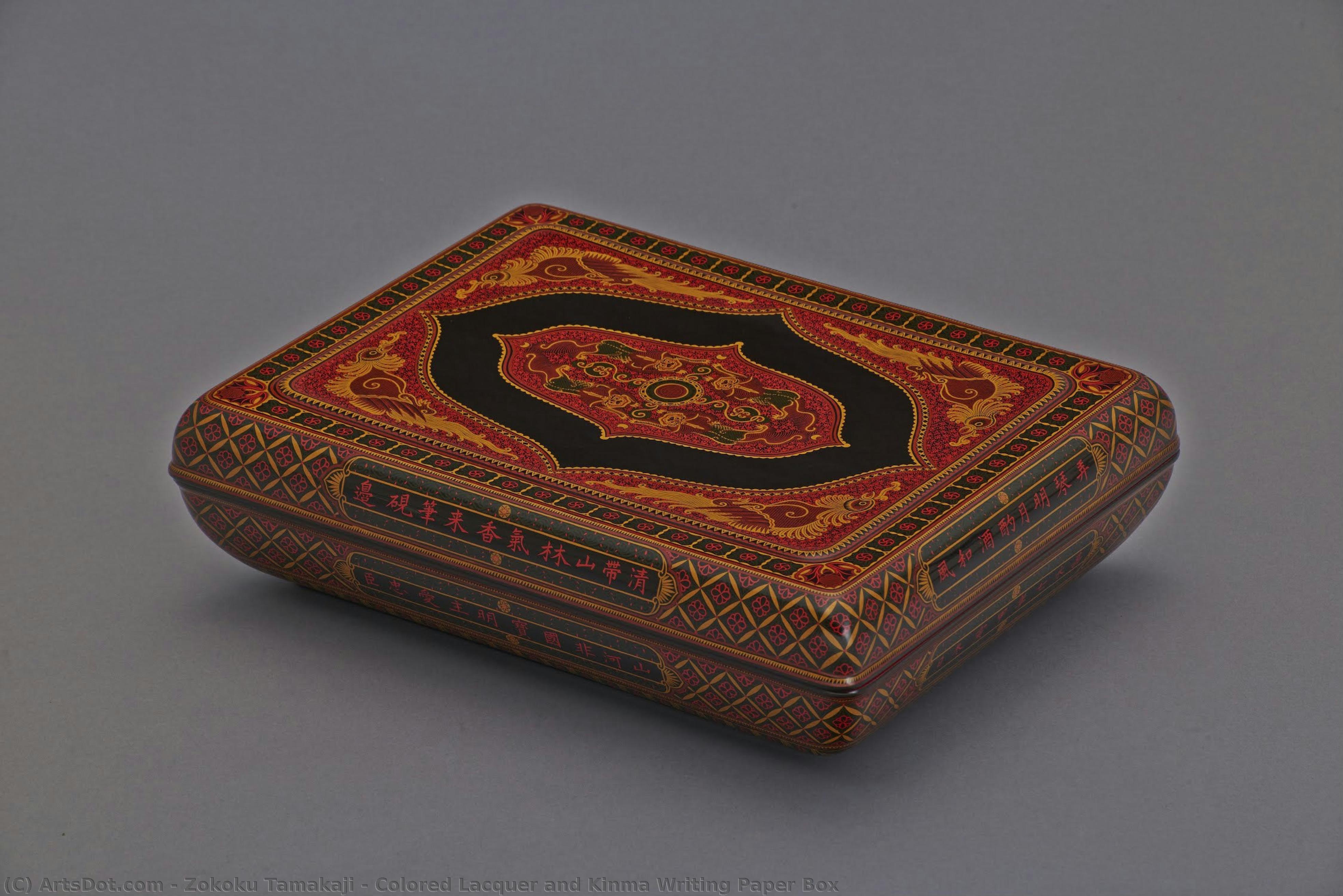
Colored Lacquer and Kinma Writing Paper Box

 Читать далее
Приобретите цифровое изображение высокого разрешения в улучшенном качестве, которое значительно превосходит онлайн-превью.
Каждый файл тщательно подготавливается нашими специалистами с использованием передовых инструментов и экспертной ручной ретуши. Мы гарантируем исключительную четкость, точную цветопередачу и детальную проработку каждого изображения.
Финальный файл доставляется по электронной почте в течение 72 часов и оптимизирован для немедленного использования в профессиональной среде, при верстке и печати. Это тот же уровень качества, которому доверяют ведущие дизайнерские студии, издательства и галереи.
Цифровое изображение
Скачайте файл высокого разрешения для личного использования, печати и творческих проектов. ( Перейти к печати Купить картину ручной работы)
Включено в каждый заказ цифровых изображений
Гарантия экспертной цифровой доставки
Выбирая ArtsDot.com, вы получаете не просто изображение — вы приобретаете профессионально обработанное цифровое произведение искусства, созданное с безупречной точностью и под защитой гарантии качества. Вот всё, что автоматически входит в ваш заказ:

Мгновенная доставка по e-mail
Ваш цифровой файл в высоком разрешении будет отправлен вам по электронной почте в течение 72 часов после оформления заказа — и сразу станет доступен для использования.

Цифровой файл с ИИ-улучшением
Ваше произведение искусства проходит профессиональную оптимизацию с использованием передовых инструментов ИИ и ручной обработки, что гарантирует максимальную детализацию, четкость и точность цветопередачи.

Бессрочная бесплатная повторная доставка
Случайно удалили или потеряли файл? Не беспокойтесь — мы отправим его вам повторно в любое время и совершенно бесплатно.

Без импортных пошлин — навсегда
Наслаждайтесь вашим произведением искусства мгновенно без таможенных пошлин, сборов или затрат на доставку — цифровые загрузки всегда не облагаются налогом.

Гарантия точности цветопередачи
Мы гарантируем, что ваше цифровое изображение максимально точно передает оригинальные цвета благодаря использованию профессиональных инструментов и систем управления цветом.

Гарантия удовлетворенности 100 дней
Если вы не будете удовлетворены своим цифровым изображением, мы внесем правки или вернем 100% стоимости в течение 100 дней — без лишних вопросов.

100% Гарантия возврата средств
Не удовлетворены покупкой? Получите полный возврат средств в течение 100 дней после получения цифрового файла — без лишних вопросов.

Скидки на оптовые заказы
Купите 3 изображения, сэкономьте 10% — Купите 5, сэкономьте 15% — Купите 10+, сэкономьте 20%. Отличное решение для творческих проектов, галерей и агентств.
Похожие произведения









Биография художника
The Renaissance of Urushi: Zokoku Tamakaji and the Kagawa Tradition
Zokoku Tamakaji, a name synonymous with the revitalization of Japanese lacquerware in the late Edo period (1806-1869), wasn’t merely an artisan; he was a visionary who breathed new life into a fading art form. Born in Takamatsu City, Kagawa Prefecture, his journey began not as a master craftsman but as an inquisitive observer, captivated by the beauty and complexity of imported lacquer pieces from China and Southeast Asia. These foreign works, housed within the collections of prominent temples like Higashi-Honganji and Daitokuji, ignited a passion that would define his life’s work – to understand, adapt, and ultimately elevate the traditional techniques of *urushi*.
The Edo period had seen a gradual decline in the quality and innovation of domestic lacquerware. While regional styles persisted, they often lacked the vibrancy and sophistication found in their Chinese counterparts. Tamakaji recognized this disparity and embarked on a dedicated study of these imported examples. He wasn’t interested in simple imitation; instead, he meticulously deconstructed the techniques – the layering processes, the incorporation of materials like gold powder (*kinma*), and the subtle nuances of color application – seeking to assimilate them into a uniquely Japanese aesthetic.
A Synthesis of Styles: Influences and Early Development
Tamakaji’s early career was marked by an intense period of experimentation. He wasn't content with simply replicating foreign styles; he sought to fuse them with the existing traditions of *makie* lacquerware, a technique known for its intricate designs created using gold or silver dust sprinkled onto wet lacquer. This fusion wasn’t immediate. It involved years of painstaking trial and error, mastering the delicate balance between imported techniques like *choshitsu* (multiple layers of colored lacquer) and *zonsei* (drawing patterns with colored urushi followed by engraving and gilding), and the established Japanese methods.
His appointment by Matsudaira Yorihiro to manage and supervise items in the domain’s treasury proved pivotal. This position afforded him access to a wealth of materials, resources, and, crucially, the opportunity to refine his techniques under practical conditions. It was during this time that he began developing what would become known as the “Tamakaji style,” characterized by its bold colors, intricate patterns, and exceptional depth – a testament to his mastery of layering and polishing.
The Tamakaji Style: Innovation in Urushi Decoration
What truly set Tamakaji apart was his innovative approach to decoration. He didn’t simply apply foreign motifs; he reinterpreted them through a distinctly Japanese lens, often incorporating elements inspired by nature – flowers, birds, and landscapes. His work frequently featured the *kinma* technique, using finely engraved patterns filled with colored lacquer and gold powder to create shimmering surfaces that seemed to capture light itself.
The development of his signature techniques wasn’t solely focused on aesthetics. Tamakaji also prioritized durability and longevity, ensuring that his pieces were not only beautiful but also capable of withstanding the test of time. He meticulously controlled every aspect of the process, from the selection of raw materials to the final polishing stages, resulting in lacquerware of unparalleled quality.
Legacy and Historical Significance
Zokoku Tamakaji’s impact on Japanese lacquerware is immeasurable. He single-handedly revived a declining art form, establishing Kagawa Prefecture as a center for *urushi* production that continues to thrive today. His techniques – including *kinma*, *choshitsu*, and *zonsei* – were designated as Sanuki Traditional Crafts by the Japanese government, ensuring their preservation for future generations.
The establishment of the Kagawa Urushi Lacquerware Institute in 1954 further solidified his legacy. As one of only two public institutions dedicated to lacquer art in Japan (the other being in Wajima), the institute continues to foster successors and promote the traditions that Tamakaji pioneered. His influence extends beyond technique; he instilled a spirit of innovation and dedication to craftsmanship that remains central to the Kagawa *urushi* tradition.
Today, Zokoku Tamakaji is remembered not just as an artist but as a cultural icon – a symbol of Japanese artistry, resilience, and the enduring power of tradition. His work stands as a testament to the transformative potential of cross-cultural exchange and the importance of preserving artistic heritage.
zokoku tamakaji
1806 - 1869 , Japan
Основные сведения
- Artistic Movement Or Style: Urushi lacquerware
- Artists Or Movements Influenced By This Artist: ['Kagawa lacquerware artists']
- Artists Who Influenced This Artist: ['Chinese & SE Asian artists']
- Date Of Birth: 1806
- Date Of Death: 1869
- Full Name: Zokoku Tamakaji
- Nationality: Japanese
- Notable Artworks:
- Colored Lacquer Inkstone Box
- Colored Lacquer Writing Paper Box
- Place Of Birth: Takamatsu, Japan