

 Предпросмотр
 Поделиться
 Поделиться
 Детали произведения

 Скачать
 Похожие работы
 Рентгенография
 Слайд-шоу
 Статистика
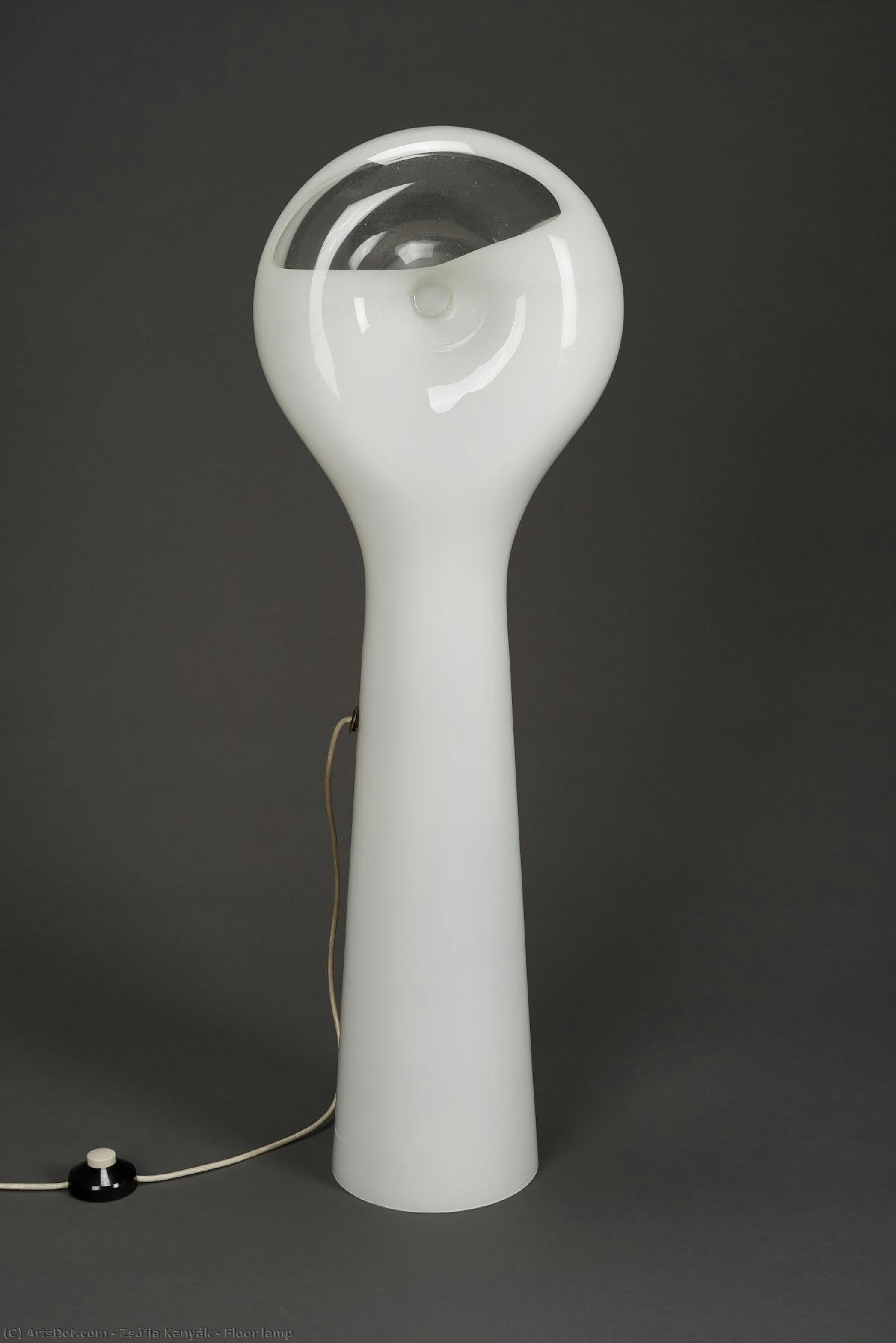
Floor lamp
 1971
1971 5.0 x 29.0 cm
 Музей прикладного искусства
 Читать далее
Масляная репродукция ручной работы
Картина маслом на холсте в выбранном вами размере и раме, написанная на заказ нашими художниками. ( Перейти к печати Перейти к цифровым изображениям)




































Выберите один из наших стандартных размеров, соответствующих оригинальным пропорциям произведения искусства.

Вы можете указать собственные размеры, чтобы картина идеально вписалась в выбранную раму или пространство. Если выбранный вами размер не соответствует пропорциям оригинала, мы либо обрежем полотно, либо расширим его за счет дополнительных элементов, написанных вручную. Цифровой макет будет отправлен вам на утверждение перед началом производства.
Обратите внимание, что предварительный просмотр на экране не отражает фактическую обрезку или расширение. Только макет точно покажет окончательную композицию.
Хотя доступны индивидуальные размеры, мы рекомендуем выбирать вариант из предопределенного списка, чтобы сохранить исходные пропорции.
После оформления заказа команда ArtsDot.com свяжется с клиентом по электронной почте для уточнения деталей и предоставит предварительный макет
Доставка по всему миру () за 3–4 недели вместо стандартных 5 недель. (11 Сентябрь). Без компромиссов в качестве.

Бесплатная экспресс-доставка по всему миру

Высококачественный льняной холст

Полное страхование доставки

Гарантия возмещения таможенных пошлин

Гарантия точного соответствия цветов

100-дневная политика возврата (только при обнаружении дефектов)

Гарантия возврата 100% средств

Предложение оптовых скидок
 Вариант со стеклом доступен только для размеров менее 110 см

Floor lamp
Техника репродукции
Размер репродукции
-


Итоговая стоимость
$ 263
Похожие произведения








Биография художника
A Visionary of Light and Glass
The brief, luminous career of Zsófia Kanyák (1944–1975) remains one of the most poignant chapters in the history of Hungarian mid-century modernism. Emerging from the vibrant artistic landscape of Budapest, Kanyák possessed a rare ability to marry the structural rigor of industrial design with the ethereal, organic grace of fine sculpture. Her work did not merely occupy space; it manipulated light, transforming cold glass into breathing, sculptural forms that seemed to pulse with an inner vitality. Though her life was tragically cut short, the legacy she left behind—a collection of pieces that bridge the gap between functional utility and pure aesthetic expression—continues to resonate within the halls of prestigious institutions like the Museum of Applied Arts in Budapest.
Kanyák’s artistic journey began with a profound exploration of texture and tradition. During her formative years at the College of Applied Arts, she was mentored by the esteemed Zoltán Gács György, a relationship that proved foundational to her technical mastery. Under his guidance, she delved into the intricate complexities of Gobeline weaving, a craft that instilled in her a deep respect for interlacing patterns and structural integrity. This early immersion in textile arts would later manifest in her glasswork through a sophisticated understanding of layering, opacity, and the delicate interplay between transparent and solid surfaces.
The Venetian Influence and Global Horizons
As her talent expanded beyond the borders of Hungary, Kanyák sought to refine her mastery of medium and form on the international stage. Her studies at the École Nationale Supérieure des Beaux-Arts in Paris under Jean Aujam provided a cosmopolitan perspective, but it was her transformative encounter with the glassmaking traditions of Italy that would redefine her aesthetic. In 1971, through a prestigious scholarship, Kanyák immersed herself in the legendary workshops of Murano, specifically at the La Murrina and Moretti factories. This period of intense study allowed her to absorb the centuries-old secrets of Venetian artisans, particularly their mastery of vibrant color and fluid, molten shapes.
The influence of Murano is etched into the very DNA of her most celebrated works. One can observe a subtle dialogue between her Hungarian roots—characterized by a certain disciplined elegance—and the exuberant, flowing energy of Italian glass artistry. This synthesis allowed her to develop a signature style that felt both modern and timeless. Her ability to manipulate glass to create pieces like her iconic floor lamp, which features a tapering cylindrical form and a large, disc-like head, demonstrates a profound command over the medium's capacity for both simplicity and complexity.
A Legacy of Innovation and Design
Kanyák’s professional trajectory was marked by remarkable achievements that saw her work move from local workshops to the global stage. In 1971, she joined the Hollow Glass Works of Salgótarján as a designer, where she began translating her sculptural visions into tangible objects. Her designs were not confined to the studio; they were celebrated at the prestigious Milan Fair, proving that her aesthetic language possessed universal appeal. This success even led to an invitation to work within the Design Studio of the renowned German company Rosenthal in 1972, further cementing her status as a leading figure in European design.
The breadth of her creative output can be categorized by several key elements:
- Sculptural Innovation: The development of the Lichtobjekt series, which included glass sculptures, lidded boxes, and lamps that utilized organic, soft forms.
- Material Mastery: An expert use of contrasting textures, such as layering opaque white glass over translucent bases to create depth and mystery.
- Functional Elegance: The seamless integration of art into daily life through objects that served a purpose while maintaining the presence of high art.
Though she passed away at the young age of thirty-one, Zsófia Kanyák’s impact on the world of glass design remains undiminished. Her work stands as a testament to a period of intense creativity and the enduring power of a singular vision that sought to capture the very essence of light itself.
zsófia kanyák
1944 - 1975 , Hungary
Основные сведения
- Artistic Movement Or Style: Modern Glass Art
- Artists Or Movements Influenced By This Artist: ['Murano glass design']
- Artists Who Influenced This Artist: ['Jean Aujam']
- Date Of Birth: Budapest, Hungary (1944)
- Date Of Death: Amszterdam, Netherlands (1975)
- Full Name: Zsófia Kanyák
- Nationality: Hungarian
- Notable Artworks:
- Just a moment...
- Floor lamp
- Place Of Birth: Budapest