

 Предпросмотр
 Поделиться
 Поделиться
 Детали произведения

 Скачать
 Похожие работы
 Рентгенография
 Слайд-шоу
 Статистика
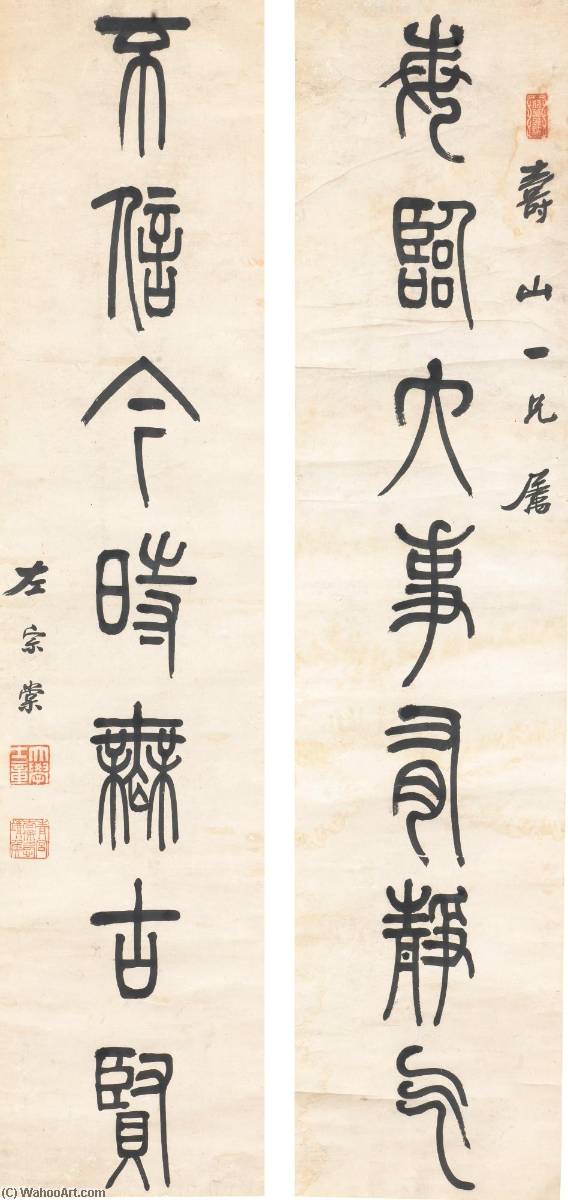
CALLIGRAPHY COUPLET IN SEAL SCRIPT
 217.0 x 54.0 cm
 Читать далее
Жикле / Арт-принт
Печать (жикле) или холст музейного качества с быстрыми сроками изготовления и широким выбором вариантов отделки. ( Купить картину ручной работы Перейти к цифровым изображениям)




































Выберите один из наших стандартных размеров, соответствующих оригинальным пропорциям произведения искусства.

Вы можете указать свои собственные размеры, чтобы репродукция идеально подошла под конкретную раму или пространство. Если выбранный вами размер не будет соответствовать пропорциям оригинала, мы либо обрежем произведение, либо дополним изображение зеркальным отражением краев или однотонной заливкой. Перед началом производства вам будет отправлен цифровой макет для утверждения.
Пожалуйста, обратите внимание, что предварительный просмотр на экране не отображает фактическую обрезку или расширение изображения. Только макет точно покажет финальную композицию.
Несмотря на возможность заказа индивидуальных размеров, мы рекомендуем выбирать размер из предопределенного списка, чтобы сохранить оригинальные пропорции.
Доставка по всему миру () за 2 недели вместо стандартных 4/5 недель. (12 Сентябрь)

Бесплатная экспресс-доставка по всему миру

Высококачественный льняной холст

Полное страхование доставки

Гарантия возмещения таможенных пошлин

Гарантия точного соответствия цветов

100-дневная политика возврата (только при обнаружении дефектов)

Гарантия возврата 100% средств

Предложение оптовых скидок
 Вариант со стеклом доступен только для размеров менее 110 см

CALLIGRAPHY COUPLET IN SEAL SCRIPT
Жикле / Арт-принт
Размер репродукции
-


Итоговая стоимость
$ 62
Похожие произведения

Биография художника
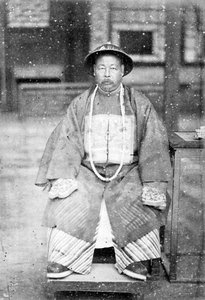
Zuo Zongtang: The Architect of Qing Revival
Zuo Zongtang (born Nov. 10, 1812, Xiangyin, Hunan province, China—died Sept. 5, 1885, Fuzhou, Fujian province) was a Chinese administrator and military leader who stands as one of the pivotal figures in restoring stability to the Qing dynasty during its turbulent decline. His unwavering dedication to preserving imperial authority amidst internal strife and external pressures cemented his legacy as a transformative reformer and a symbol of resilience for China’s cultural heritage. Born into a family steeped in Confucian scholarship, Zuo’s early life was marked by rigorous academic pursuits focused on geography and agriculture—disciplines that would prove invaluable in shaping his administrative approach. Recognizing the looming threat posed by the Taiping Rebellion (1850–1864), a devastating uprising fueled by religious fervor and social discontent, Zuo swiftly mobilized local defenses and ascended to prominence as a commander within the Qing military. His decisive leadership during this period demonstrated an astute understanding of battlefield strategy and garnered him considerable respect amongst his peers. The zenith of Zuo’s career arrived in 1867 when he was appointed governor-general of Shaanxi and Gansu—territories ravaged by Muslim rebellions that challenged Qing sovereignty. Unlike many officials paralyzed by inaction, Zuo embarked on a methodical campaign to quell the insurgency, prioritizing pragmatic solutions underpinned by economic revitalization and leveraging Western technological advancements. This approach wasn’t merely about military conquest; it represented a fundamental reimagining of governance – bolstering local economies and fostering cooperation between imperial forces and regional populations. His crowning achievement came in 1869 with his triumphant recapture of Kashgar—a strategically vital city at the crossroads of Central Asia—from Russian influence. This audacious undertaking showcased Zuo’s unwavering determination to safeguard China's borders and reinvigorate its prestige on the international stage. The Treaty of St. Petersburg (1881), brokered after years of arduous negotiations, formally recognized Qing dominion over Xinjiang, marking a resounding victory for Zuo’s vision of restoring imperial grandeur. Despite facing considerable opposition from conservative factions within the Qing court—who viewed his reforms as destabilizing—Zuo persevered in advocating for modernization and bolstering China's defenses against encroaching foreign powers. Tragically, he succumbed to illness in 1885, leaving behind a profound impact on Chinese history. His legacy endures not only as a military strategist but also as an embodiment of Confucian ideals – unwavering loyalty to the emperor and steadfast commitment to upholding traditional values amidst turbulent times. Zuo Zongtang’s life serves as a testament to the enduring power of principled leadership in safeguarding national identity and securing a brighter future for China.- Notable Achievements: Successful suppression of Muslim rebellions, recapture of Kashgar, Treaty of St. Petersburg (1881), bolstering Qing defenses.
- Influences: Confucian scholarship, Geographic studies, Military strategy
- Historical Significance: Symbol of Qing revival, Champion of modernization amidst conservative resistance
Основные сведения
- Artistic Movement Or Style: Calligraphy
- Artists Or Movements Influenced By This Artist: ['']
- Artists Who Influenced This Artist: ['']
- Date Of Death: Sept 5, 1885
- Full Name: Zuo Zongtang
- Nationality: Chinese
- Notable Artworks: ['Running Script Couplet']
- Place Of Birth: Xiangyin, Hunan province