 Предпросмотр
 Поделиться
 Поделиться
 Детали произведения

 Скачать
 Похожие работы
 Рентгенография
 Слайд-шоу
 Статистика
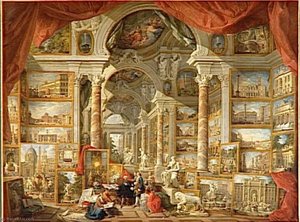
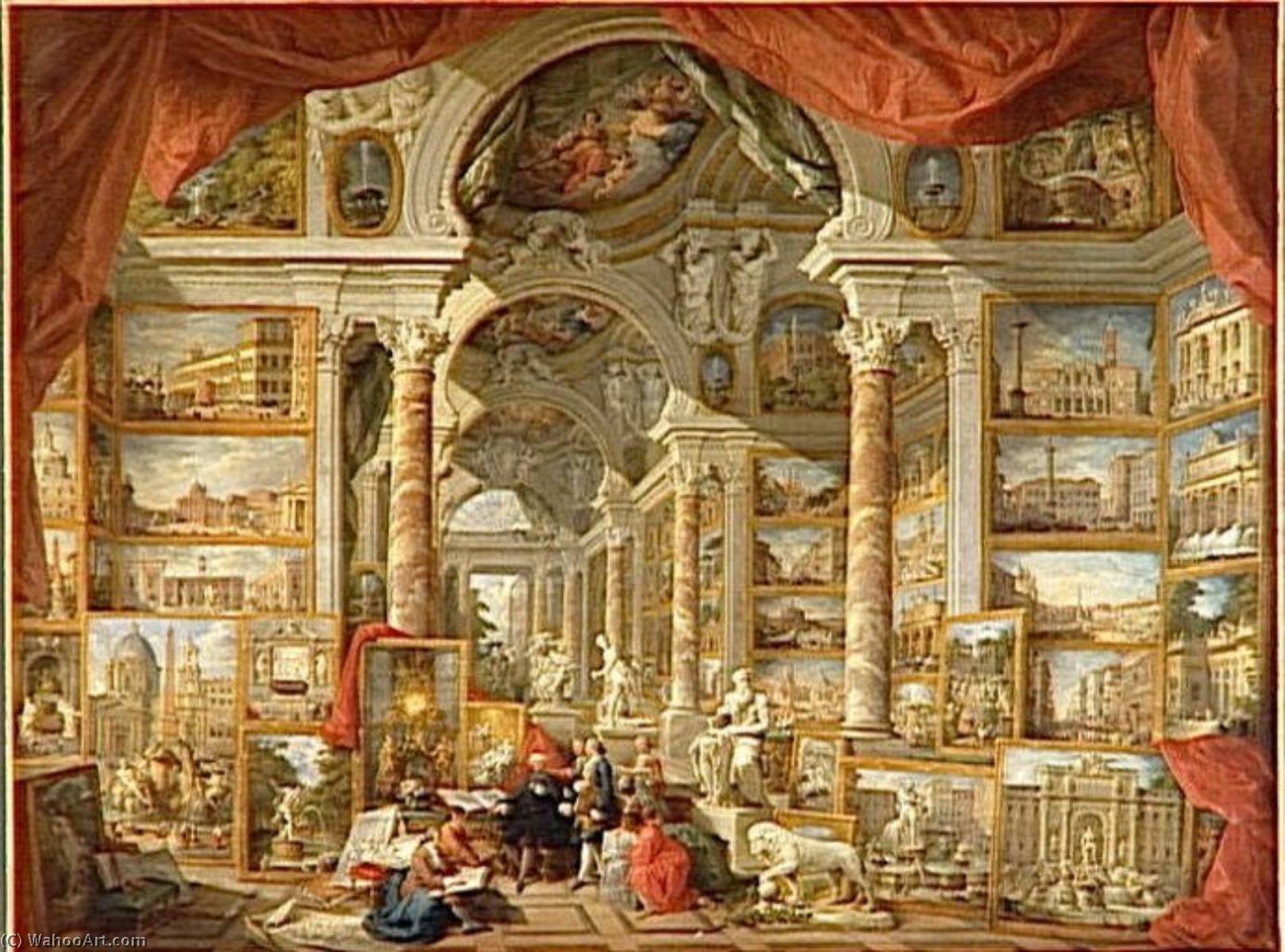
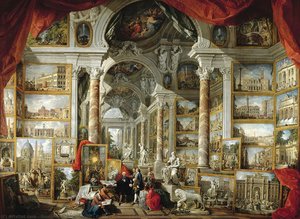
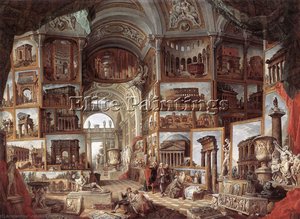
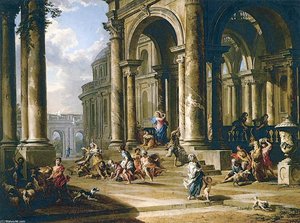
Галерея римской архитектуры и видов


 Читать далее
Масляная репродукция ручной работы
Картина маслом на холсте в выбранном вами размере и раме, написанная на заказ нашими художниками. ( Перейти к печати Перейти к цифровым изображениям)




P118B $10

P118H $10

P118W $10

P438Z $10

P508JH $12

P508YH $12

P805H $10

P805Z $10

P919BZ $10

P919G $10

P919XJ $10

P959ZH $10

P968JZ $12

W106C $8

W218G $10

W218JH $8

W218Y $10

W307PJ $10

W316G $10

W316PJ $8

W316Y $10

W398PJ $8

W4111J $10

W500HY $15

W500JH $15

W692G $12

W849H $8

W940BG $15

W953PJ $8




Выберите один из наших стандартных размеров, соответствующих оригинальным пропорциям произведения искусства.

Вы можете указать собственные размеры, чтобы картина идеально вписалась в выбранную раму или пространство. Если выбранный вами размер не соответствует пропорциям оригинала, мы либо обрежем полотно, либо расширим его за счет дополнительных элементов, написанных вручную. Цифровой макет будет отправлен вам на утверждение перед началом производства.
Обратите внимание, что предварительный просмотр на экране не отражает фактическую обрезку или расширение. Только макет точно покажет окончательную композицию.
Хотя доступны индивидуальные размеры, мы рекомендуем выбирать вариант из предопределенного списка, чтобы сохранить исходные пропорции.
После оформления заказа команда ArtsDot.com свяжется с клиентом по электронной почте для уточнения деталей и предоставит предварительный макет
Доставка по всему миру () за 3–4 недели вместо стандартных 5 недель. (10 Сентябрь). Без компромиссов в качестве.

Бесплатная экспресс-доставка по всему миру

Высококачественный льняной холст

Полное страхование доставки

Гарантия возмещения таможенных пошлин

Гарантия точного соответствия цветов

100-дневная политика возврата (только при обнаружении дефектов)

Гарантия возврата 100% средств

Предложение оптовых скидок
 Вариант со стеклом доступен только для размеров менее 110 см

Галерея римской архитектуры и видов
Техника репродукции
Размер репродукции
-


Итоговая стоимость
$ 413
Галерея видов современного Рима
Giovanni Paolo Panini, мастер римских видений: Жизнь и искусство Джованни Панини – это больше чем просто живопись; это визуальный архитектор памяти. Родился в Пиаченце в 1691 году, его художественное путешествие началось под руководством Джузеппе Натали и Андреа Галли-Бибеины, но именно раннее знакомство со сценическим дизайном Франческо Галли Бибьены вдохновило его воображение. Это юное погружение в театральное искусство глубоко повлияло на его последующую работу, придав ей ощущение драматической композиции и иллюзорного пространства.
От фресок к ведам: Эволюция художественного стиля Панини
Панини изначально добился успеха не как художник по холсту, а как декоратор дворцов. Его первый проект был оформлением Палаццо Барбосси в Риме и он использовал инновационные методы перспективы и освещения для создания впечатляющих изображений города.
Веды Панини: Искусство видеть и передавать красоту
Основной особенностью творчества Панини является его мастерское использование веда – жанра живописи, который был особенно популярен в XVIII веке. Веды отличаются высокой детализацией и стремлением к реалистичному изображению архитектурных сооружений и пейзажей. Художник использовал сложные математические расчеты для передачи глубины пространства и создания иллюзии трехмерности.
Символизм и эмоциональное воздействие:
Веды Панини не только являются свидетельством художественного мастерства эпохи барокко и рококо, но и содержат глубокий символический смысл. Изображения римских памятников и храмов отражают идеал гармонии и величия античного мира. Кроме того, веды могут быть интерпретированы как выражение любви к истории и культуре Италии.
Техника и материалы:
Панини работал преимущественно в технике масляной живописи на холсте, используя тонкие мазки и глазурь для достижения максимальной световой насыщенности и глубины цвета. Художник тщательно изучал особенности архитектуры и использовал опыт предыдущих художников для создания наиболее убедительных изображений.
В заключение можно отметить, что Галерея видов современного Рима Джованни Панини является одним из самых значимых произведений искусства XVIII века и представляет собой яркий пример итальянского живописного стиля эпохи барокко. Этот шедевр вдохновляет художников и коллекционеров по всему миру и продолжает радовать зрителей своей красотой и глубиной.
Похожие произведения
Биография художника
Giovanni Paolo Pannini (1691–1765): Master of Roman Vedute & Architectural Fantasies
Giovanni Paolo Pannini, a name synonymous with the grandeur and romantic allure of 18th-century Rome, was more than just a painter; he was a visual architect of memory. Born in Piacenza in 1691, his artistic journey began under the tutelage of Giuseppe Natali and Andrea Galluzzi, but it was his exposure to the theatrical designs of Francesco Galli-Bibiena that truly ignited his imagination. This early immersion in stagecraft would profoundly influence his later work, imbuing it with a sense of dramatic composition and illusionistic space. In 1711, Panini relocated to Rome, a city already steeped in artistic history, where he honed his skills under the guidance of Benedetto Luti, mastering the art of drawing and laying the foundation for his future mastery of perspective.Early Training & Influences: Shaping a Vision
Giovanni Paolo Pannini’s formative years were marked by rigorous training in Piacenza, where he studied under Giuseppe Natali and Andrea Galluzzi—artists known for their meticulous realism and attention to detail. However, it was Francesco Galli-Bibiena's theatrical productions that proved particularly transformative. Galli-Bibiena’s innovative use of perspective and dramatic staging instilled in Pannini a fascination with illusionistic space—a technique he would later employ extensively in his paintings. This influence extended beyond mere visual style; it fostered a broader intellectual sensibility, encouraging Pannini to consider how artists could manipulate perception to convey emotion and create immersive experiences. The early works of Giovanni Ghisolfi, who had pioneered the depiction of Roman ruins with remarkable accuracy, served as another important source of inspiration for Pannini—demonstrating the power of combining observation with imaginative reconstruction.From Frescoes to Vedute: The Evolution of an Artistic Style
Panini’s initial success didn't come as a canvas painter but as a decorator of palaces. His frescoes adorned the walls of prominent Roman residences, including the Villa Patrizi (1719–1725), Palazzo de Carolis (1720) and Seminario Romano (1721–1722). These commissions allowed him to develop his technical prowess and establish a reputation within Rome’s artistic circles. He skillfully employed *quadratura*, or scenic perspective—a technique perfected by Ferdinando Galli Bibiena—to create monumental compositions that captivated viewers and conveyed grandeur. However, it was Pannini's embrace of the *veduta*, or view painting, that would ultimately define his legacy. Unlike earlier topographical artists who focused on precise documentation, Pannini infused his depictions of Rome with a sense of imaginative reconstruction. He didn’t merely record what he saw; he re-imagined it, blending existing structures with fragments of ancient ruins and fanciful architectural elements—a practice known as *capriccio*. This approach—often likened to that of Marco Ricci—enabled him to create scenes that were both recognizable and dreamlike, capturing the spirit of Rome’s layered history.The Pantheon & Beyond: Pannini's Iconic Views
Among Pannini’s most celebrated achievements is his depiction of the interior of Saint Peter’s Basilica (c. 1734), a masterpiece of illusionistic perspective that remains unsurpassed in its ambition and technical virtuosity. Pannini meticulously recreated the basilica’s vast space, employing innovative techniques to convey depth and grandeur—a feat that cemented his reputation as one of Rome's foremost artists. Similarly impressive is his view of the Pantheon (c. 1754), where he skillfully captured the ethereal quality of light filtering through the dome’s oculus—creating a scene that embodies both scientific precision and poetic beauty. Pannini’s prolific output extended beyond architectural interiors; he produced numerous landscapes featuring Roman ruins, capturing their desolate grandeur with remarkable sensitivity. These paintings—particularly *Paesti qvod Posidoniam etiam dixere rvdera* (Rovine della citta' di Pesto detta ancora Posidonia)—demonstrate Pannini’s ability to transform ordinary subjects into extraordinary visions—infused with a profound appreciation for the passage of time and the enduring legacy of antiquity.Legacy & Influence: Shaping Romantic Vision
Giovanni Paolo Pannini’s influence extended far beyond his own lifetime, shaping the artistic sensibilities of subsequent generations. He was recognized as a teacher at both the Accademia di San Luca and the Académie de France in Rome—a distinction that underscored his stature within the Roman art world. Notably, he mentored Hubert Robert, whose fantastical landscapes would become equally renowned for their imaginative embellishment and masterful use of perspective—reflecting Pannini’s pioneering approach to architectural painting. Pannini's style resonated with other *vedutisti*, including Antonio Joli and Charles-Louis Clérisseau, inspiring them to explore the possibilities of capturing Rome’s atmosphere and grandeur through innovative visual techniques. His enduring legacy can be seen in the works of artists who followed him—artists who embraced Romantic ideals while retaining Pannini's meticulous attention to detail and his profound understanding of illusionistic space—solidifying his place as a pivotal figure in the history of European art.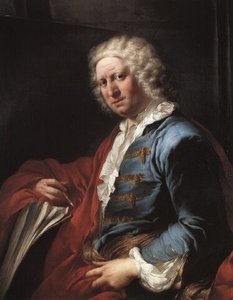
Джан Паоло Панини
1691 - 1765 , Италия
Основные сведения
- Artistic Movement Or Style: Барокко, Ведутизм
- Artists Or Movements Influenced By This Artist: ['Жан Оноре Фрагонард']
- Artists Who Influenced This Artist:
- Джозеф Натали
- Эндреа Гальци Бибеена
- Date Of Birth: 1691
- Full Name: Giovanni Paolo Pannini
- Nationality: Итальянский
- Notable Artworks:
- Интерьер Пантеона
- Виды Рима
- Каприцио
- Place Of Birth: Piacenza, Италия
Похожие статьи
Giovanni Paolo Panini: Capturing Roman Grandeur – A Vedute Master's Legacy
Explore the captivating world of Giovanni Paolo Panini, master of Roman vedute painting. Discover his technique, iconic works, influence on art history & collecting advice from experts at ArtsDot.

10 Шедевров Барокко: Искусство, изменившее мир | ArtsDot.com
Погрузитесь в мир барокко! 10 шедевров Караваджо, Рембрандта и других великих художников. Узнайте историю создания культовых картин и найдите идеальную репродукцию для вашего интерьера на ArtsDot.com

Барочная драма: Искусство величия в современном интерьере
Погрузитесь в мир роскоши и величия барокко! Узнайте об истории стиля, ключевых элементах интерьера и архитектуре. Вдохновляйтесь с и создайте свой неповторимый дизайн.
Simon Vouet: A Baroque Master's Journey from Italian Influence to French Classicism
Explore the life & art of Simon Vouet, a pivotal French Baroque painter who introduced Italian styles to France. Discover his masterpieces and lasting influence on 17th-century art.
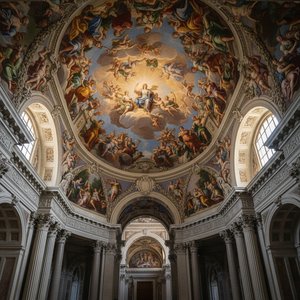
Pietro da Cortona: Baroque Grandeur & the Synthesis of Roman Painting
Explore the life & masterpieces of Pietro da Cortona, a defining figure of the Italian Baroque. Discover his stunning frescoes at Palazzo Barberini and lasting influence on Roman art history. Learn more with ArtsDot.