The Allure of the Unexpected: What is Avant-Garde Art?
 Breaking Tradition: A Definitive Guide to the Evolution of Early Modernism and the Avant-Garde
The Twilight of Tradition: From Impressionism to Post-Impressionist Foundations Post-Impressionism Post-Impressionism (also spelled Postimpressionism) was a predominantly French art movement which developed roughly between 1886 and 1905, from the las...
Imagine walking into a room where the familiar noise of the world suddenly falls silent, replaced by an electric pulse of pure form and color. This is the essence of the avant-garde. To many of us decorating our first homes or refreshing a long-loved space, the term might feel intimidating—a whisper of something radical and perhaps even unapproachable. Yet, at its heart, the avant-garde is simply about the courage to look beyond the surface. It is an invitation to move past the literal and embrace the emotional resonance of shape, texture, and light.
Historically, the avant-garde emerged as a rebellious spirit, a movement of artists who refused to be bound by the traditional rules of representation. While Impressionism captured the fleeting beauty of sunlight on water, the avant-garde sought something more permanent and structural. It was a period of seismic shifts where the goal was no longer to mimic life, but to capture its underlying truth. For the modern decorator, this means moving away from predictable landscapes and toward pieces that act as windows into a deeper, more conceptual reality. When you choose an avant-garde piece, you aren't just hanging a picture; you are introducing a conversation starter that challenges perception and breathes a sense of intellectual vitality into your sanctuary.
Breaking the Rules: A Visual Journey Through Cubism and Suprematism
 Mastering Cubism: The Top 25 Essential Georges Braque Artworks
Introduction To step into the world of Georges Braque is to witness the very moment the mirror of art was shattered and reassembled into something far more profound. His work does not merely represent the world; it deconstructs it, inviting us to loo...
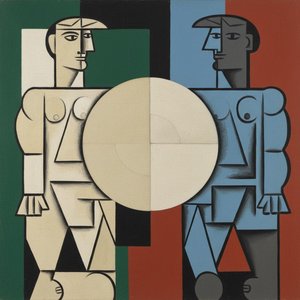
To truly appreciate the impact of these bold works, one must journey through the revolutionary movements that redefined the twentieth century. Consider the breathtaking moment when Georges Braque and Pablo Picasso shattered the mirror of art through Cubism. They did not merely paint objects; they deconstructed them, inviting us to view a subject from multiple perspectives simultaneously. In a Cubist work, the structural rhythm of an object is revealed through overlapping geometric planes, creating a complex, intellectual dance of form and space. It is a style that mirrors our own modern experience—a world of fragmented information and shifting viewpoints, yet held together by a profound, underlying order.
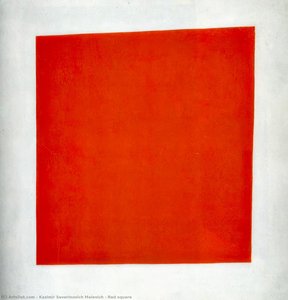
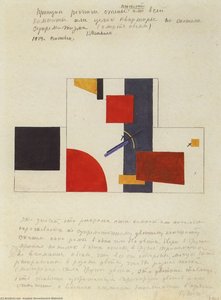
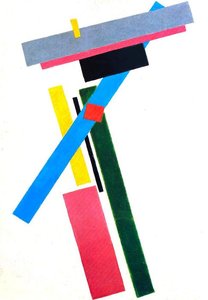
As we move further into the realm of abstraction, we encounter the radical vision of Kazimir Malevich and Suprematism. If Cubism deconstructed reality, Suprematism sought to transcend it entirely. Imagine a space stripped of all recognizable stories—no faces to comfort you, no landscapes to ground you—only the raw power of geometric shapes like triangles, circles, and rectangles. In his sketches for the opera
Victory over the Sun, Malevich utilized a monochrome, stark aesthetic to achieve what he called "pure feeling." This movement teaches us that even in the absence of recognizable figures, art can possess an immense, spiritual weight. For those looking to add a focal point to a minimalist room, these clean, geometric compositions offer a sophisticated way to command attention without overwhelming the senses.
Finding Your Edge: How to Integrate Bold Forms into Modern Interiors
Integrating such radical aesthetics into a contemporary home requires a delicate touch of confidence. The secret lies not in matching every element to the art, but in creating a dialogue between the bold and the serene. For those of us who love the warmth of Post-Impressionist textures—think of the intimate, domestic magic found in Jean Edouard Vuillard’s
Interior with Pink Wallpaper—the goal is to find balance. You might pair a vibrant, textured canvas with soft, neutral furnishings, allowing the artwork to act as the room's heartbeat while the surrounding decor provides a calm, supporting rhythm.
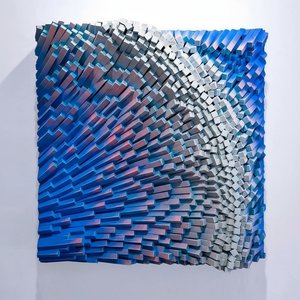
One effective way to introduce avant-garde elements is through the use of scale and placement. A large-format, multi-panel arrangement—where a single image is split across three or five canvases—can transform a wide wall or a staircase into an architectural feature. This "multi-panel" trend allows the eye to wander across the geometric flow of the painting, creating a sense of movement that feels both modern and curated. By treating your walls as a gallery space rather than just a surface for decoration, you allow these bold forms to breathe, ensuring that the art remains the protagonist of your interior story.
From Chaos to Cohesion: Balancing Abstract Masterpieces with Minimalist Decor
 Cubism
Cubism is an early-20th-century avant-garde art movement which began in Paris. It revolutionized painting and the visual arts, and sparked artistic innovations in music, ballet, literature, and architecture. Cubist subjects are analyzed, broken up, a...
The fear many beginners face is that an avant-garde piece might create "visual chaos" within a room. However, when approached with intention, abstraction can actually enhance the sense of order in a minimalist space. The key is to look for common threads—a shared color palette or a recurring geometric motif—that link your artwork to your furniture and textiles. If you are drawn to the earthy, muted tones of Analytical Cubism, consider incorporating natural wood textures or stone accents into your room design. This creates a cohesive atmosphere where the complexity of the art is anchored by the simplicity of the environment.
For those who prefer a more layered approach, you can bridge the gap between different eras by mixing styles. You might pair a modern, abstract print with the soft, light-drenched textures of a Monet-inspired reproduction. This layering prevents a room from feeling too "staged" and instead gives it the lived-in, curated feel of a well-traveled soul. The goal is to create a space that feels like a collection of discoveries—a place where the radical energy of the avant-garde meets the comforting familiarity of home.
Personalizing the Vanguard: Custom Commissions and AI-Driven Transformations
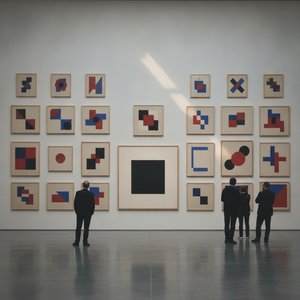 25 Masterpieces by Kazimir Malevich: The Ultimate Guide to Suprematism
Introduction Imagine walking into a room where the noise of the world suddenly cuts to zero. There are no landscapes to recognize, no faces to comfort you, and no stories to follow—only the raw, electric pulse of color and shape. This is the universe...
Perhaps the most exciting frontier in modern decorating is the ability to "remix" art history to suit your personal narrative. At ArtsDot.com, we believe that art should be as unique as the person living with it. We offer the extraordinary opportunity to transform your own milestones into masterpieces. Through our custom reproduction services, you can take a cherished photograph—perhaps a wedding portrait or a pet portrait—and request it be painted in the thick, expressive impasto style of Van Gogh or the fragmented, geometric language of Cubism.
For those who love the intersection of technology and tradition, our AI Masterpiece tool allows you to reimagine your personal photos through various avant-garde lenses, from Surrealism to Pop Art. Once you have found a design that resonates with your spirit, our professional artists can bring that digital vision to life on 100% cotton canvas, adding the tactile depth of real, hand-painted brushstrokes. Whether it is a custom commission or a carefully selected reproduction, decorating with avant-garde art is about more than just following a trend; it is about finding the courage to express your most authentic, beautiful self through the power of the unexpected.
Discover your next masterpiece at ArtsDot.com—where every brushstroke tells your story.



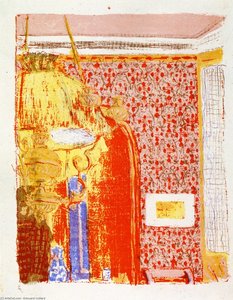 Interior with Pink Wallpaper (from the series Landscapes and Interiors'')''