The Geometry of Calm: Why Abstract Shapes are the New Neutral for Modern Living
 Geometric abstraction
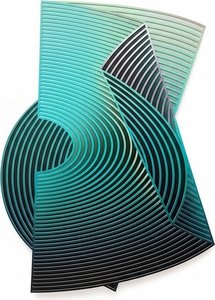
Geometric abstraction is a form of abstract art based on the use of geometric forms sometimes, though not always, placed in non-illusionistic space and combined into non-objective (non-representational) compositions. Although the genre was popularize...
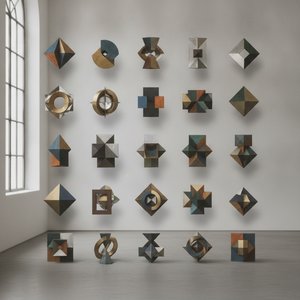
In the fast-paced rhythm of contemporary life, our homes have become more than mere shelters; they are sanctuaries of intention. As we seek to curate spaces that offer respite from digital noise, a profound shift is occurring in interior styling. We are moving away from the cluttered and the overly literal, finding instead a deep, meditative peace in the language of geometric abstraction. This movement toward
geometric art as a new neutral is not about emptiness, but about the sophisticated use of form to create a sense of structural equilibrium. Unlike traditional patterns that can overwhelm a room with narrative, the clean lines of a circle, the stability of a square, or the dynamic energy of a triangle provide a visual anchor that feels both modern and timeless.
This trend is particularly resonant for those decorating their first homes or redesigning long-held spaces, as it allows for a foundation of calm that can support various textures and colors. When we introduce geometric forms, we are not just adding decoration; we are introducing a sense of
order and architectural clarity. These shapes act as silent conductors of the room's energy, guiding the eye without demanding constant attention. It is a way to achieve a high-end, curated look that feels effortless, providing a sophisticated backdrop that allows your personal treasures—be they vintage finds or modern heirlooms—to breathe and shine within a balanced environment.
From Fragmentation to Focus: Using Cubist Principles to Create Architectural Depth
 Cubism Explained: A Professional Guide to Geometric Abstraction for Modern Interior Design
The Fundamentals of Cubism: Understanding Geometric Deconstruction To understand the profound impact of Cubism on modern spatial design, one must first grasp its departure from the traditional window-on-the-world perspective that had dominated Wester...
To truly master the art of modern spatial design, one must look back to the revolutionary spirit of the early twentieth century, specifically the era of
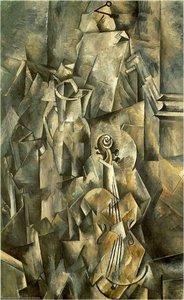
Cubism. When masters like Pablo Picasso and Georges Braque shattered the single-point perspective, they did more than just change painting; they redefined how we perceive reality. For the modern decorator, the legacy of Cubism offers a brilliant toolkit for creating depth in seemingly flat or small spaces. By utilizing fragmented forms and overlapping planes, as seen in the works of Fernand Léger, you can introduce a sense of
multi-dimensional movement into a room.
This technique of "deconstructing" a subject allows an interior to feel much more complex and layered than its physical dimensions might suggest. Instead of a single, static window on a wall, a Cubist-inspired piece invites the viewer to explore multiple viewpoints simultaneously. This creates a fascinating
intellectual rhythm within the room, where the eye is encouraged to dance across shifting perspectives and intersecting lines. For the professional decorator, this means using geometric abstraction to break up large, monolithic walls, turning a simple architectural feature into a dynamic focal point that suggests a much larger, more intricate context.
Color, Form, and Emotion: Curating Geometric Masterpieces for Your Unique Mood
 Paolo Cotani
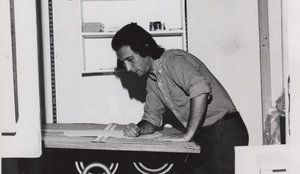
Paolo Cotani: Exploring the Geometry of Emotion Paolo Cotani, born in Rome in 1940, is an Italian painter whose distinctive approach to abstraction has garnered international acclaim. His artistic journey began amidst the vibrant intellectual current...
Art has always been the soul of a room, but in the realm of geometric abstraction, color and form become the primary architects of emotion. Choosing a piece is not merely about matching a sofa; it is about
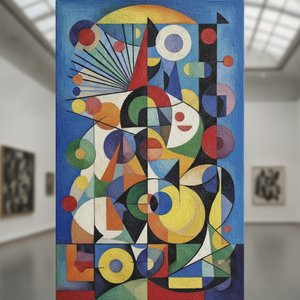
curating a vibe. A composition dominated by soft, rounded shapes and muted pastels can evoke a sense of gentle tranquility and organic warmth, perfect for a bedroom or a quiet reading nook. Conversely, sharp angles paired with high-contrast, bold palettes—reminiscent of the vibrant energy found in the works of Auguste Herbin—can inject a much-needed dose of vitality and modern strength into a workspace or an entertaining area.
The magic lies in the ability to
remix history to suit your personal emotional landscape. At ArtsDot.com, we believe that art should be as unique as the person living with it. This is why the ability to customize colors or even request a "period shift" is so transformative. Imagine a geometric abstraction where the palette is specifically tuned to the exact shade of your velvet armchair, or a piece that uses the heavy, textured
impasto style to add tactile warmth to a minimalist room. By focusing on the interplay between color and shape, you can use art to intentionally direct the mood of every corner of your home, turning a house into a deeply personal emotional retreat.
The Multi-Panel Revolution: Transforming Wide Walls with Geometric Group Sets
 The King of Cards
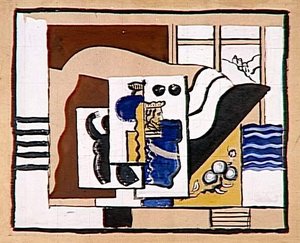
A Glimpse into Modernity’s Rhythm: Deconstructing Léger's “The King of Cards” Fernand Léger’s 1927 painting, “The King of Cards,” is not merely a depiction of an interior scene; it’s a vibrant distillation of the modern spirit. The artwork presents a...
One of the most significant challenges in modern interior design is the "empty wall syndrome"—those expansive, daunting stretches of space that can make a room feel cold or unfinished. The
multi-panel trend offers a sophisticated solution that is both architectural and breathtaking. By splitting a single, powerful geometric composition across three, four, or even five panels, you create a sense of movement that mimics the very fragmentation found in Cubist masterpieces. This approach allows art to become an integral part of the room's architecture rather than just an ornament hanging upon it.
These group sets are particularly effective for wide walls in living areas or long hallways, as they guide the viewer through the space with a cohesive visual flow. The key to success lies in
seamless execution; the colors and brushstrokes must transition elegantly from one panel to the next, creating a unified whole that feels expansive. This technique provides a grand, museum-like impact that is much more impactful than a single, isolated frame. It allows for a larger-than-life presence that can anchor an entire room, providing a sense of scale and luxury that is essential for high-end modern interiors.
Beyond the Frame: Integrating Custom Geometric Murals and Large-Scale Abstractions
 Cubism
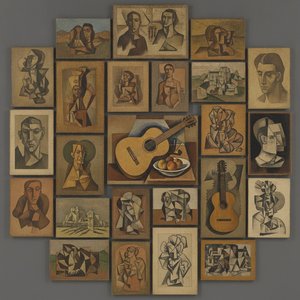
Cubism is an early-20th-century avant-garde art movement which began in Paris. It revolutionized painting and the visual arts, and sparked artistic innovations in music, ballet, literature, and architecture. Cubist subjects are analyzed, broken up, a...
For those looking to push the boundaries of traditional decor, the next frontier lies in
architectural art—the integration of large-format murals and ceiling frescoes into the very fabric of the home. Imagine a room where the ceiling is not merely a white expanse, but a canvas for sweeping geometric planes that seem to descend into the walls. This level of immersion transforms a space from a mere room into an
architectural experience. Large-scale abstractions, painted on massive canvas rolls, can be installed with the precision of high-end wallpaper, allowing you to recreate the grandeur of historical ceilings or the bold impact of modern installations.
This approach requires a professional touch, treating the wall and ceiling as a singular, continuous surface. When geometric motifs are scaled up to this magnitude, they cease to be "pictures" and become
environments. This is particularly effective in hotels, luxury residences, or grand foyers where the goal is to leave a lasting impression of sophistication and scale. By moving beyond the traditional frame, you invite art to inhabit the space entirely, blurring the lines between decoration and architecture, and creating a truly immersive world of shape and soul.
Expert Tips: How to Mix Geometric Art with Existing Textures and Decor
 Cubism Explained: A Professional Guide to Fragmentation and Geometric Abstraction in Modern Interior Design
The Foundations of Fragmentation: From Cézanne’s Structure to the Cubist Revolution Cubist Still Life: Redefining Reality Through Fragmented Forms and Geometric Abstraction The Genesis of Fragmentation: From Cézanne’s Structure to Cubist Revolution T...
The final secret to a successful geometric interior is the art of
textural layering. While the clean lines of abstract shapes provide structure, it is the introduction of varied textures that prevents a room from feeling sterile or overly clinical. To create a balanced, high-end look, pair your geometric prints or oil reproductions with organic materials. A smooth, sharp-edged Cubist painting finds its perfect companion in a chunky knit throw, a reclaimed wood coffee table, or a soft linen sofa. This contrast between the
mathematical precision of art and the
tactile warmth of textiles is what creates a room that feels both curated and lived-in.
As you build your collection, consider the "weight" of your pieces. A heavy, textured oil painting with visible brushstrokes can act as a grounding element in a room filled with light, airy furniture. Conversely, if your space is already rich with pattern, use geometric art with larger, simpler forms to provide much-needed visual rest. At ArtsDot.com, we always recommend using our
Free Art Consultation service to see how these elements interact. Our advisors can digitally "place" artwork on a photo of your actual wall, helping you analyze color palettes and scale before you commit, ensuring that your journey into the world of geometric abstraction results in a masterpiece of interior design.