
The Visual Language of Honor: Decoding the Iconography of Military Portraiture
 Commanding Presence: A Definitive Guide to the Iconography and Art History of Military Portraiture
The Visual Language of Authority: Decoding Uniforms and Regalia Beyond the Fabric: Decoding Identity, Authority, and Symbolism in the Art of Military Uniforms The Threads of Command: Uniforms as Visual Language of Authority To gaze upon a historical ...
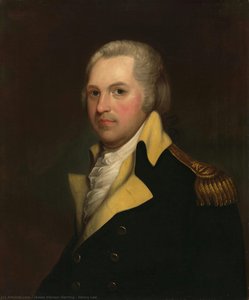
To gaze upon a historical military portrait is to enter a silent, yet thunderous, lexicon of power. It is far more than a mere depiction of a person in uniform; it is an encounter with a carefully constructed architecture of identity. In the realm of fine art, every element within the frame serves as a deliberate punctuation mark in a narrative of duty and allegiance. When we observe these works, we are reading a visual language designed to communicate rank, authority, and institutional strength before a single word is ever exchanged between the subject and the observer.
The true magic lies in the subtle details that an untrained eye might overlook but a history lover will instantly recognize. The placement of a hand, the tilt of a chin, and the specific arrangement of medals all contribute to a sense of commanding presence. This visual vocabulary transcends simple documentation; it creates an atmosphere of permanence and legitimacy. Whether through the rigid discipline suggested by a straight-backed posture or the soft, reflective light hitting a polished button, these portraits are designed to instill awe, ensuring that the legacy of the individual is etched into the very fabric of history.
From Uniform to Masterpiece: The Art of Capturing Rank, Texture, and Regalia
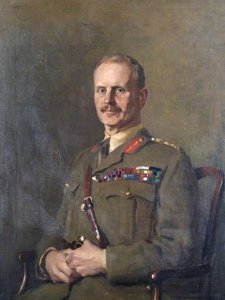 General Sir William Riddell Birdwood (1865–1951), GCMG, KCB, KCSI
Admire Sir William Birdwood in this striking 1919 oil portrait by Alfred Hayward. A detailed realism captures a dignified military figure, showcasing layered textures & subtle lighting.
A uniform is never merely a garment; it is a complex tapestry of symbolism. For the artist, the challenge—and the glory—lies in the meticulous rendering of these textures. To truly capture the essence of military portraiture, one must master the "threads of command." This involves the heavy, tactile weight of thick wool, the brilliant luster of polished brass, and the intricate, almost hypnotic complexity of gold braid or lace. When an artist successfully translates these elements onto canvas, they allow the viewer to feel the physical gravity of leadership.
Consider the profound impact of light and shadow in defining authority. Through masterful techniques, an artist can use light to evoke the rigid discipline of military life, making the fabric itself appear as a structural component of the subject's character. Every epaulette, sash, and button acts as a vital clue to the subject's journey and achievements. This level of detail is what separates a simple likeness from a true masterpiece. It is in this precise rendering of regalia that the artist serves as a translator, turning the physical attributes of a uniform into an emotional experience of respect and reverence.
A Legacy in Oil: Why Hand-Painted Portraits Outshine Digital Memories
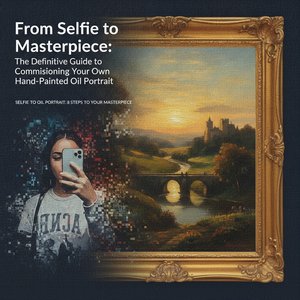
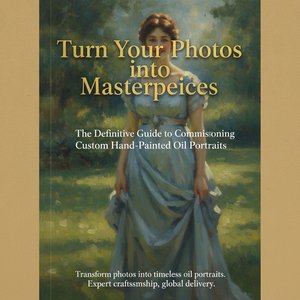 Turn Your Photos into Masterpieces: The Definitive Guide to Commissioning Custom Hand-Painted Oil Portraits
The Soul of the Canvas: Why Digital Photos Deserve Hand-Painted Transformation From Photo to Masterpiece: The Stress-Free 8-Step Guide to Commissioning Your Custom Oil Painting The Soul of the Canvas: Why Your Memories Deserve More Than a Digital Pri...
In our modern, hyper-connected era, we find ourselves navigating a relentless deluge of ephemeral imagery. We scroll through high-resolution perfection, documenting the exact shade of a uniform or the precise geometry of a landscape with clinical precision. Yet, photography, for all its technological advancement, often fails to interpret the soul. A digital photograph captures a fleeting second—a frozen, crystalline arrangement of pixels that documents an event but rarely its essence. It lacks the breath, the pulse, and the tactile resonance of the artist’s hand.
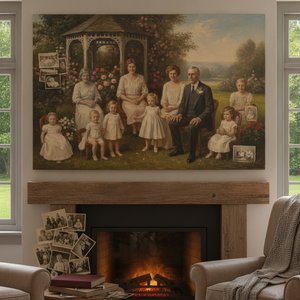
There is a profound difference between seeing a moment and truly feeling it. To transform a modern memory into the language of oil and canvas is to perform a kind of temporal alchemy, elevating a simple snapshot into a timeless heirloom. Unlike the flat glow of a screen, a true hand-painted reproduction possesses a physical weight. You can witness the subtle play of light on wet brushstrokes and feel the depth of texture created by layers of translucent oil. These paintings offer a way to touch the past, where the memory is not just recorded, but inhabited through the luminous dance of color and pigment.
The Commissioning Journey: A Step-by-Step Guide to Creating Your Heroic Portrait
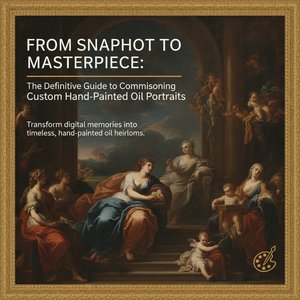 From Snapshot to Masterpiece: The Definitive Guide to Commissioning Custom Hand-Painted Oil Portraits
The Soul of the Canvas: Why Digital Memories Deserve a Hand-Painted Transformation From Photo to Masterpiece: The Stress-Free 8-Step Guide to Commissioning Your Custom Oil Painting The Soul of the Canvas: Why Your Memories Deserve More Than a Digital...
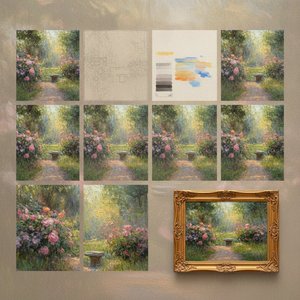
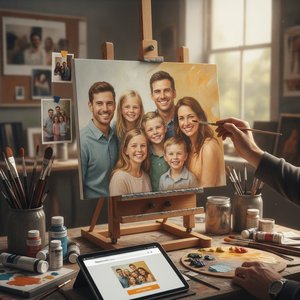
Embarking on the creation of a custom portrait is an extraordinary journey of collaboration. At ArtsDot.com, we have refined this process into a seamless, stress-free experience designed to bring your vision to life with absolute confidence. The journey begins immediately upon your order with a confirmation email, followed by our unique Professional Digital Mockup Service. This stage is essential for complex commissions, such as group portraits where we might combine individuals from different photographs. Here, you can request changes to colors or compositions before a single drop of paint touches the canvas, ensuring the vision is perfect.
Once the design is approved, our skilled artists—each holding degrees from prestigious Fine Arts academies—begin the meticulous work of painting by hand on 100% cotton canvas. This process typically spans two to four weeks, allowing for the necessary layering and drying time that gives oil paintings their incomparable depth. As your masterpiece progresses, you will receive a pre-ship photo for your final approval. Only after you are completely satisfied do we proceed to professional framing and secure packaging. Finally, your artwork is delivered via DHL or FedEx with full tracking, ensuring your piece of history arrives safely at your door, anywhere in the world.
Personalizing History: Customizing Styles from Classical Realism to Impressionist Glory
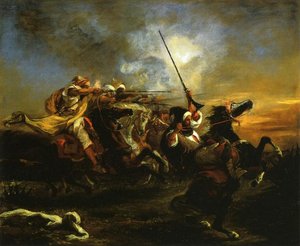 Moroccan Military Exercises
A Glimpse into Moroccan Majesty: Delacroix’s “Moroccan Military Exercises” Eugène Delacroix's "Moroccan Military Exercises," painted in 1832, is more than just a depiction of soldiers on horseback; it’s a vibrant portal into the heart of North Africa...
One of the most enchanting aspects of commissioning art is the ability to "remix" history to suit your personal aesthetic. We believe that art should be a reflection of your unique taste, which is why we offer far more than mere replication. You can request a "Period Shift," transforming a modern photograph into a 17th-century masterpiece in the style of Rembrandt, or perhaps ask for a contemporary military photo to be reimagined with the vibrant, thick impasto strokes of Van Gogh. This allows you to bridge the gap between the present and the past in a way that is entirely your own.
For those who prefer a more atmospheric approach, we can emulate the light-drenched, soft-focus beauty of Monet or the dramatic, romantic energy found in works like Delacroix’s Moroccan Military Exercises. Whether you desire the stark, academic realism of a traditional officer's portrait or the expressive, emotive qualities of Impressionism, our artists are specialists in these specific genres. This flexibility ensures that your custom commission does not just sit on a wall; it integrates perfectly with your home's design, whether you are decorating a modern apartment or a classic estate.
Preserving Valor: Expert Tips for Framing and Caring for Your Custom Artwork
A custom oil painting is a significant investment in both culture and family legacy. To ensure that the vibrant pigments and delicate textures remain pristine for generations, proper care is paramount. We recommend avoiding direct sunlight, which can cause gradual fading over many decades. When displaying your work, consider our Custom Framing & Canvas Wrap Engineering. For a modern, architectural look, our MirrorWrap or ExtendedWrap options allow the artist's brushstrokes to continue around the edges of the canvas, creating a seamless, immersive effect.
For those using traditional frames, we use solid wood—ranging from gold leaf to deep espresso—and reinforced stretcher bars to prevent any warping over time. If you are displaying a print, always use acid-free matting to create an air gap between the art and the glass, preventing moisture buildup. By protecting your artwork from dust and atmospheric pollutants with a fine coat of Damar varnish—which we apply to all our oil paintings—you ensure that the valor and beauty captured on the canvas will remain as vivid for your grandchildren as they are the day they arrive.
Discover more beautiful transformations and start your own artistic journey at ArtsDot.com.