
The Gastronomic Stage: Defining Narrative Through Zoned Art Selection
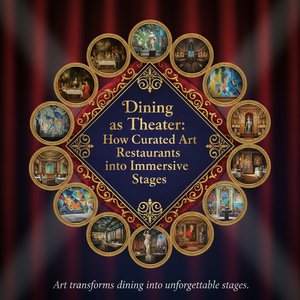 The Gastronomic Stage: Interior Design as Narrative Framework in the Contemporary Restaurant Experience
The Evolving Narrative: From Functional Space to Immersive Experience For centuries, the restaurant existed primarily as a practical necessity – a place to refuel. But the modern appetite extends far beyond sustenance; it craves connection, story, an...
In the contemporary landscape of high-end hospitality, a restaurant is no longer merely a functional space for sustenance; it has evolved into a theatrical stage where every element contributes to a larger, immersive performance. For the discerning hotel designer, the challenge lies in transforming a singular architectural footprint into a series of distinct, emotive chapters. This transformation begins with the concept of the gastronomic stage, where interior design acts as a narrative framework that guides the guest through a curated experience. By treating each dining zone—from the high-energy bar to the intimate lounge—as a unique setting, designers can utilize art not just as decoration, but as the primary storyteller. When we select artworks for these spaces, we are selecting the vocabulary of the brand’s identity. A well-chosen collection does more than fill a void; it establishes an immediate sense of vitality and purpose, announcing the restaurant's presence before the first course even arrives.
The power of this narrative approach is perhaps most evident when moving away from the sterile, monochromatic minimalism that has long dominated the industry. The rise of "Dopamine Decor" and bold maximalism suggests a profound psychological shift in how guests interact with space. By introducing intentional color and form—vibrant yellows, deep magentas, or energetic reds—designers can stimulate the brain's reward centers, creating a sanctuary of inspiration. This is where art becomes a silent ambassador, bridging the gap between the chef’s culinary vision and the guest's sensory perception. Whether through the nostalgic charm of a 17th-century Dutch interior or the electric pulse of modern Pop Art, the selection of art defines the boundaries of each zone, allowing for a seamless yet varied journey through the hospitality environment.
Visual Rhythm and Flow: Using Color and Scale to Connect Multi-Zone Interiors
 Interior design
Interior design is the art and science of enhancing the interior of a building to achieve a healthier and more aesthetically pleasing environment for the people using the space. With a keen eye for detail and a creative flair, an interior designer is...
Designing multi-zone dining spaces requires a sophisticated understanding of visual rhythm—the ability to create a sense of movement and continuity across disparate areas. Just as a composer uses recurring motifs to unify a symphony, an interior designer must use color, scale, and composition to link the lounge, the main dining room, and the terrace into a cohesive whole. This is achieved through the strategic deployment of visual anchors. A large-scale, multi-panel reproduction can serve as a monumental focal point in a wide atrium, while smaller, more intimate works can anchor a private alcove. The key is to manage the "visual friction" between these zones; there must be enough contrast to define each area's unique character, yet enough rhythmic repetition in palette or theme to prevent the space from feeling fragmented.
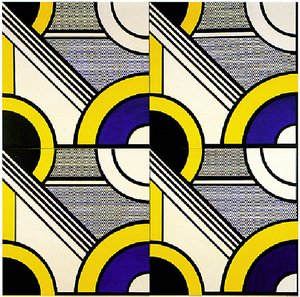
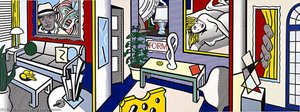
Scale plays a critical role in this architectural choreography. Utilizing group set paintings—where a single image is split across three, four, or five panels—allows for a modern, architectural look that can wrap around corners or span expansive staircases. This technique creates a sense of flow, guiding the eye through the space and subtly directing guest movement. Furthermore, color palettes act as the connective tissue. By echoing the deep ochres found in a Van Gogh-inspired dining room within the accent upholstery of a nearby bar, the designer establishes a rhythmic pulse that resonates throughout the entire floor plan. This careful orchestration ensures that while each zone offers a new "course" of visual stimulation, the overarching brand narrative remains unbroken and structurally sound.
From Aperitifs to Entrées: Matching Artistic Styles to Dining Atmospheres
 Pop Art & Dopamine Decor: A Professional Guide to Bold Maximalist Interiors for High-Impact Hospitality Design
The Rise of Dopamine Decor: Moving Beyond Sterile Minimalism in Hospitality Dopamine Decor: How Bold Pop Art Transforms Neutral Interiors into High-Impact Statements The Death of Minimalism: Why Neutral Spaces Need a Visual Jolt For too long, the des...
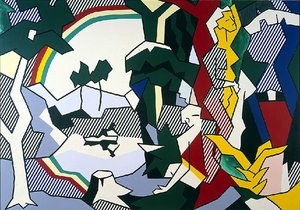
The transition from the lively energy of an aperitif hour to the refined solemnity of a formal dinner demands a shift in atmospheric tone. A masterfully designed space mirrors this culinary progression through stylistic art selection. In high-traffic, high-energy zones like cocktail bars or bistro entrances, bold and impactful works can be utilized to create a "visual jolt." Here, the influence of Pop Art or vibrant Impressionist works—characterized by energetic brushstrokes and saturated hues—can mirror the social buzz and movement of the crowd. These pieces act as catalysts for excitement, setting a tempo that is both stimulating and welcoming.
Conversely, as the guest moves into more secluded, fine-dining environments, the art should transition toward styles that encourage introspection and quiet observation. The subtle, atmospheric nuances found in grayscale sketches or the meticulous realism of Dutch masters can foster an environment of prestige and calm. Consider the way Vincent van Gogh’s "Interior of a Restaurant" uses warm, saturated palettes to evoke conviviality; such works can be strategically placed to bridge the gap between social energy and intimate dining. By matching the artistic era and technique to the specific "mood" of each course, designers create a sensory hierarchy that elevates the entire gastronomic experience, ensuring that the environment is always in perfect harmony with the menu.
The Impact of Texture: Utilizing Impasto and Brushwork for Sensory Depth
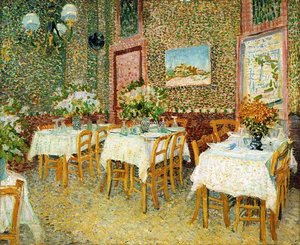 Interior of a Restaurant
Vincent van Gogh’s Intimate Glimpse: Exploring “Interior of a Restaurant” Vincent van Gogh's "Interior of a Restaurant," painted in 1887, isn’t merely a depiction of a dining room; it’s a vibrant snapshot of daily life filtered through the artist’s i...
To truly elevate a hospitality space beyond the realm of standard luxury, one must look toward the tactile dimension of art. In an era where digital screens dominate much of our visual landscape, the physical presence of texture provides a necessary grounding element. This is where the distinction between a flat print and a handmade oil reproduction becomes paramount for the professional designer. The use of impasto—thick, visible layers of paint that create a three-on-the-canvas relief—introduates a palpable sense of movement and life. When light hits these raised surfaces, it creates shifting shadows and highlights that change throughout the day, mirroring the natural ebb and flow of restaurant lighting.
This tactile depth contributes significantly to the "sensory architecture" of a room. The visible brushstrokes of an artist trained in academic excellence provide a human connection that mass-produced posters simply cannot replicate. This texture adds weight and importance to the walls, making them feel like integral components of the room's construction rather than mere afterthoughts. Whether it is the rugged, expressive marks of a Post-Impressionist style or the smooth, refined glazes of a classical portrait, the interplay of light and texture engages the guest on a subconscious level, deepening their emotional connection to the space and enhancing the overall perceived value of the establishment.
Strategic Procurement: Scaling Masterpieces for Large-Scale Hospitality Projects
 Elevate Hospitality: 10 Art Strategies for Unforgettable Hotel & Restaurant Interiors
The Silent Ambassador: Art as a Narrative Tool for Brand Identity Beyond Decor: Why Hospitality Leaders Choose Curated Art Collections Over Random Frames The Narrative Thread: Art as the Silent Ambassador of Brand Identity Elevate Hotel Luxury: Trans...
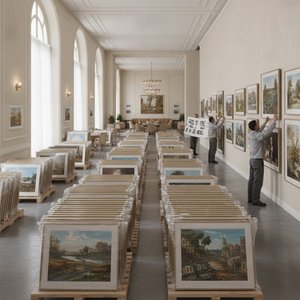
For procurement managers and hotel designers, the challenge of art selection is often compounded by the logistical pressures of large-scale projects. Furnishing a multi-zone hotel or restaurant chain requires a balance between aesthetic ambition and operational reality. The ability to source high-quality, repeatable art solutions in various standard and custom sizes is essential for maintaining brand consistency across global properties. This is where the concept of "Art as Infrastructure" becomes vital. Designers need reliable partners who can provide large-format murals, ceiling frescoes, and multi-panel sets that are engineered for durability and ease of installation.
Effective procurement involves looking beyond individual pieces to consider the entire collection's scalability. The availability of custom sizing allows a designer to take a single historical masterpiece and adapt it to fit a grand lobby or a compact breakfast nook without losing its compositional integrity. Furthermore, the ability to "remix" art history—such as requesting a modern photograph be transformed into a 17th-century style oil painting—offers an unparalleled level of customization for bespoke brand identities. For the professional buyer, success lies in finding a supplier that offers not just beauty, but the logistical reliability of clear pricing, VAT-compliant documentation, and robust global shipping through partners like DHL or FedEx.
Operational Excellence: Integrating Custom Art into High-Volume Design Timelines
 Level Up Your Restaurant Decor: A Buyer's Guide to Bold Art Reproductions for High-Impact Interiors
The Death of Minimalism: Why Your Restaurant Needs a Visual Jolt Pop Art & Dopamine Decor: A Professional Guide to Bold Maximalist Interiors for High-Impact Hospitality Design The Rise of Dopamine Decor: Moving Beyond Sterile Minimalism in Hospitalit...
In the fast-paced world of hospitality development, the integration of custom art must be managed with the same precision as construction management or food service logistics. The introduction of bespoke elements—such as custom portraits or "period shift" commissions—cannot be left to chance; it requires a structured, transparent process that respects project timelines. A professional workflow, beginning with digital mockups for approval and moving through to pre-shipment photography, is essential to remove the uncertainty often associated with custom orders. This allows designers to visualize the final composition on their specific walls before a single drop of paint touches the canvas.
True operational excellence in art procurement means having a system that supports high-volume needs while maintaining museum-grade standards. From the initial confirmation email to the arrival of reinforced, double-walled packaging, every step must be traceable and predictable. For large-scale hospitality projects, this includes the ability to manage complex orders through digital dashboards, ensuring that Project Coordinators can handle everything from color matching to international customs requirements. When art procurement is treated as a disciplined component of the design execution—characterized by rapid production timelines, reliable global logistics, and a 100% satisfaction guarantee—it ceases to be a potential delay and instead becomes a powerful tool for delivering unforgettable, world-class environments.
For professional inquiries regarding large-scale art procurement, custom commissions, or volume discounts for hospitality projects, please visit ArtsDot.com.
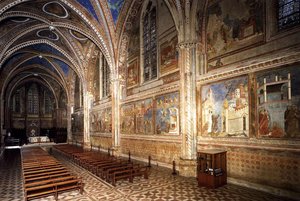
![Life Of Saint Francis - [06] - St Francis Before The Sultan](/media/artworks/images-thumb/78/99/78995b9f1c570aac2ba1f4e9a3a7e8b8.jpg)