
The Psychology of Space: Art as a Tool for Creating Sanctuary in Hospitality
 10 Iconic Masterpieces to Elevate Your Hotel Room Decor
Introduction Stepping into a well-appointed hotel room should feel like entering a private sanctuary, a momentary escape from the rush of travel and the noise of the outside world. While architecture and linens provide the foundation of comfort, it i...
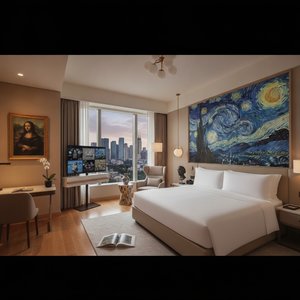
In the modern era of travel, a hotel room is far more than a mere arrangement of fine linens and soft lighting; it is a curated sanctuary designed to offer a momentary departure from the frantic pace of the outside world. For the discerning designer, the challenge lies in transforming a transient lodging into a memorable destination. While architecture provides the physical foundation of comfort, it is the presence of profound art that breathes soul into a space, turning a standard guest suite into an unforgettable retreat. When we select art for these intimate settings, we are not merely decorating a wall; we and setting a mood, inviting a sense of timelessness that lingers long after the stay has ended.
The strategic use of art serves as a sensory anchor, grounding the transient nature of hospitality with the permanence of human creativity. A well-placed masterpiece provides a window into the past, offering guests a moment of stillness amidst their journey. By integrating works that carry historical weight, designers can bridge the gap between the digital age and the tactile beauty of hand-painted history, creating an environment where the grandeur of history meets the quietude of a private retreat.
Renaissance Grandeur: Establishing Prestige and Permanence through Classical Masterpieces
 Timeless Elegance: A Designer's Guide to Elevating Luxury Hotel Interiors with Iconic Masterpiece Reproductions
The Soul of the Suite: Art as an Immersive Hospitality Experience Elevating Hospitality Aesthetics: Museum-Quality Art for Luxury Hotels The Transformative Power of Art in Luxury Hospitality Wikipedia: Peace Hotel The Peace Hotel (Chinese: 和平饭店, piny...
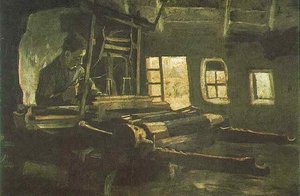
To evoke a sense of prestige and unshakeable stability, one must look to the dramatic depths of the Renaissance and Baroque masters. These works, characterized by their mastery of chiaroscuro—the profound interplay of light and shadow—possess an inherent authority that commands respect within a lobby or executive suite. Imagine stepping into a room where shadows hold secrets and the light feels like a warm embrace; this is the power of classical portraiture and religious compositions. The structural brilliance of these eras provides a sense of permanence, suggesting that the institution itself is built upon a foundation of enduring culture.
Incorporating Renaissance-style reproductions allows a designer to introduce narrative depth. Whether it is the enigmatic gaze of a classical figure or the complex, layered compositions of historical masters, these paintings serve as conversational focal points. For large-scale projects, such as grand hotel staircases or formal dining halls, these works offer a sense of architectural weight. The ability to utilize custom framing—using solid wood in gold leaf or deep espresso finishes—further enhances this classical aesthetic, ensuring that the art feels integrated into the very fabric of the building's luxury.
Impressionist Light: Using Soft Textures and Color to Enhance Guest Comfort
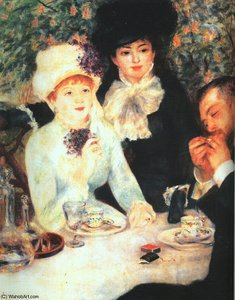
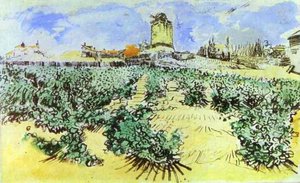
Where the Renaissance offers weight, Impressionism offers weightlessness. For designers focusing on boutique hotels or spa resorts where the goal is relaxation and rejuvenation, the light-drenched landscapes of the Impressionist era are unparalleled. The works of artists like William Merritt Chase exemplify this ability to capture fleeting moments of beauty with remarkable precision. Through short, broken brushstrokes and a vibrant palette of ochres, blues, and greens, Impressionist art creates a shimmering effect that mimics the natural play of light on surfaces.
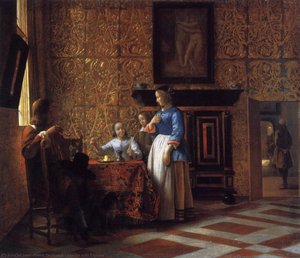
This technique is particularly effective in guest rooms where soft textures and neutral color palettes predominate. The impressionistic focus on atmosphere rather than rigid form helps to soften the edges of a room, promoting a sense of tranquility. By selecting reproductions that emphasize light and color, designers can manipulate the perceived temperature and mood of a space, making a room feel warmer and more inviting. This approach is not limited to landscapes; even interior scenes, such as Chase’s Interior, Oak Manor, can be used to evoke a sense of domestic comfort and quietude within a commercial setting.
Strategic Implementation: Scaling Masterpieces for Large-Scale Hotel Projects and Multi-Panel Trends
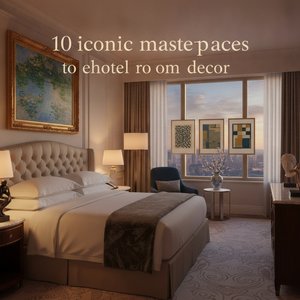 10 Iconic Masterpieces to Elevate Your Hotel Room Decor
Introduction Imagine walking into a hotel suite where the walls don't just enclose a space, but whisper stories of distant eras, sun-drenched landscapes, and the profound emotions of the masters. There is a unique magic in a well-curated hotel room; ...
For the procurement manager or hotel designer overseeing large-scale developments, the challenge is often one of scale and continuity. A single canvas may suffice for an intimate suite, but grand lobbies and expansive corridors require a more architectural approach to art. One of the most effective contemporary trends is the use of multi-panel layouts, where a single iconic image is split across three, four, or even five panels. This technique allows a masterpiece to span wide walls or wrap around staircases, creating a cohesive, modern look that maintains the integrity of the original composition.
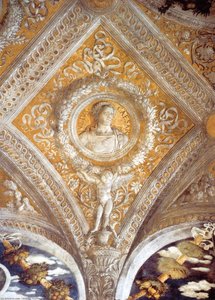
Beyond traditional canvases, the implementation of large-format murals and ceiling frescoes offers an opportunity to recreate historical grandeur on a massive scale. These works, painted on substantial canvas rolls, can transform a standard ceiling into something reminiscent of the Sistine Chapel. For professionals, this provides a way to implement high-impact design without the logistical nightmare of traditional fresco painting. When paired with modern engineering—such as MirrorWrap or ExtendedWrap where the artist continues the painting around the edges of the canvas—the art becomes an inseparable part of the room's architecture.
Customization and Logistics: Managing Art Procurement, Custom Sizes, and Global Delivery
In the high-pressure environment of hospitality design, reliability and efficiency are paramount. The procurement process must be seamless, moving from concept to installation without disrupting project timelines. This is why a structured, professional approach to art reproduction is essential. A reliable supplier should offer a transparent six-step process: immediate order confirmation, digital mockups for approval, hand-painting on 100% cotton canvas, pre-shipment photo verification, professional framing, and tracked global shipping via partners like DHL or FedEx.
For the designer, the ability to "remix" art history is a powerful tool. Customization services allow for the adjustment of color palettes to match specific interior schemes or even the "period shift" of modern imagery into a 17th-century style. Furthermore, managing international logistics requires expertise in customs and VAT support. A professional service that handles the complexities of international tax documentation—such as the CPF for Brazil or RFC for Mexico—ensures that the arrival of art is a moment of celebration rather than administrative burden. This operational reliability allows designers to focus on their creative vision while trusting that the physical execution will meet museum-grade standards.
The Designer's Toolkit: Integrating Bespoke Reproductions and Digital Mockups into Interior Planning
 Interior design
Interior design is the art and science of enhancing the interior of a building to achieve a healthier and more aesthetically pleasing environment for the people using the space. With a keen eye for detail and a creative flair, an interior designer is...
The final stage of successful art integration is the bridge between digital planning and physical reality. To remove uncertainty during the design phase, the use of professional digital mockup services is indispensable. These services allow designers to see a composition placed digitally onto a photograph of their actual wall, enabling precise decisions on scale, placement, and color matching before a single brushstroke is applied. This level of control is essential when managing complex commissions, such as group portraits or large-scale multi-panel installations.
Ultimately, the goal of the designer is to create an environment that feels both prestigious and profoundly welcoming. By leveraging the depth of hand-painted oil reproductions—with their visible brushstrokes and rich tonal ranges—designers can offer guests a tactile experience that digital prints simply cannot replicate. Whether through the strategic use of AI-assisted restyling or the commissioning of bespoke historical recreations, the integration of art remains the most potent tool in the designer's arsenal for creating timeless, soulful hospitality spaces. For those seeking to explore these possibilities further, ArtsDot.com provides a gateway to unparalleled artistic excellence and professional design solutions.