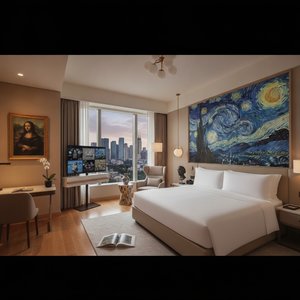
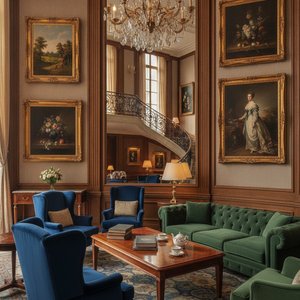
The Aesthetic Catalyst: Transforming Hotel Interiors into Immersive Brand Experiences
Experiential travelExperiential travel, also known as immersion travel, is a form of tourism in which people focus on experiencing a country, city or particular place by actively and meaningfully engaging with its history, people, culture, food and environment. It can ...
In the contemporary landscape of luxury hospitality, the traditional definition of a hotel room has undergone a profound metamorphosis. The modern traveler is no longer a passive recipient of standardized comfort; they are active curators of their own lives, seeking environments that resonate with their personal narratives and aesthetic values. This shift toward experiential travel demands that designers move beyond functional elegance to create spaces that act as emotional catalysts. When a guest enters a lobby or a suite, they are looking for more than just high-thread-scale linens; they are searching for an atmosphere that feels significant, a sense of place that transcends the generic.
The integration of art serves as the primary engine for this transformation. By moving away from mere decoration and toward intentional curation, a hotel can synthesize its architecture, service standards, and culinary offerings into a singular, cohesive identity. This is not simply about filling a void on a wall with a pleasant image; it is about utilizing visual media to establish a dialogue with the visitor. Whether through the textured depth of an impasto oil reproduction or the sweeping grandeur of a ceiling fresco, art provides the soul of the space, turning a temporary stay into a lasting memory. When design successfully bridges the gap between physical surroundings and emotional resonance, the hotel ceases to be a mere building and becomes a destination in its own right.
Strategic Curation: Leveraging Art Installations for Organic Social Visibility
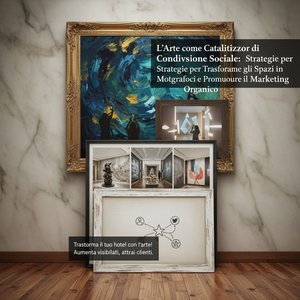 The Aesthetic Catalyst: Leveraging Art Installations for Guest Engagement & Organic Social Marketing
Introduction: The Power of Immersive Experiences in Hospitality The Aesthetic Catalyst: Curated Art Collections as Drivers of Organic Social Visibility for the Modern Hotel Experience Discover how curated art collections elevate hotel experiences & d...
In an era defined by digital connectivity, the interior of a hospitality brand serves as its most potent marketing tool. We are currently witnessing a revolution in engagement marketing, where the boundary between the physical experience and the digital footprint has all but vanished. For the hotel designer, this presents a unique opportunity to utilize art installations as drivers of organic social visibility. When a space is curated with high-impact visual elements, it invites guests to become active participants in the brand’s evolution. They do not merely observe the beauty; they capture it, share it, and broadcast it to their global networks.
This phenomenon relies on the creation of "shareable" moments—visual anchors that are so striking they demand documentation. A strategically placed large-format mural or a multi-panel contemporary masterpiece acts as a beacon for user-generated content. As guests post high-quality images of these artworks, they provide the hotel with invaluable earned media, reaching audiences far beyond the reach of traditional advertising. This organic visibility is particularly effective because it carries the weight of authenticity; a recommendation from a traveler’s Instagram feed holds more social currency than any paid promotion. By designing for the lens as much as for the eye, designers can create a self-sustaining cycle of engagement and brand awareness.
From Canvas to Content: Designing High-Impact 'Instagrammable' Focal Points
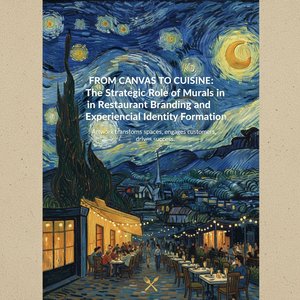 From Canvas to Cuisine: The Strategic Role of Murals in Restaurant Branding and Experiential Identity Formation
The Mural Renaissance: Why Restaurants Are Investing in Experiential Art Beyond Aesthetic Appeal: Strategic Art Collections for Modern Hospitality Brand Narratives Discover how strategic art curation elevates hospitality brands & enhances guest exper...
The technical execution of "Instagrammable" design requires a sophisticated understanding of composition, lighting, and texture. To create a focal point that thrives in digital formats, one must consider how light interacts with the surface of the medium. This is where the distinction between a flat, computer-printed poster and a hand-painted oil reproduction becomes critical. A true masterpiece possesses a tactile depth—visible brushstrokes, a rich tonal range, and the physical presence of pigment on cotton canvas—that translates beautifully through a smartphone camera. These subtle variations in texture create shadows and highlights that lend a sense of luxury and "realness" to digital photos, making the space appear even more opulent online.
Designers can further enhance these focal points by utilizing modern trends such as the multi-panel or group set painting approach. Splitting a single, breathtaking landscape across three, four, or five panels creates a wide-scale architectural statement that is perfect for grand staircases or expansive lobby walls. This technique not only fills large volumes of space but also provides a dynamic, modern aesthetic that is inherently photogenic. Furthermore, the ability to "remix" art history—such as requesting a contemporary scene in the light-drenched style of Monet—allows designers to tailor the visual narrative to the specific branding requirements of the property, ensuring that every corner of the hotel is optimized for content creation.
The ROI of Visual Storytelling: Driving Guest Engagement through Bespoke Artworks
Visual narrativeA visual narrative (also visual storytelling) is a story told primarily through the use of visual media. This can be images in the mind, digital, and traditional media. The story may be told using still photography, illustration, or film, and can be ...
Investing in bespoke art is not merely an aesthetic choice; it is a strategic financial decision with measurable returns on investment. The primary value lies in differentiation. In a saturated market where many luxury hotels offer similar levels of service and amenities, the visual identity provided by curated art becomes a key competitive advantage. High-impact art drives guest engagement by fostering emotional attachment to the brand. When a guest feels a connection to the atmosphere of a space, their likelihood of repeat visits and positive reviews increases significantly.
Beyond the immediate psychological impact, there is a long-term operational benefit to utilizing high-quality reproductions and custom commissions. For procurement managers and hotel designers, the ability to source large-scale, museum-grade works that can be replicated or customized allows for brand consistency across global portfolios. The use of durable, professionally finished pieces—protected by Damar varnish and high-quality gesso—ensures that the investment remains vibrant for decades. When art is used to tell a story—whether it is the history of a local region or the unique heritage of a hotel chain—it creates a brand narrative that is both profound and profitable, turning every guest interaction into an opportunity for brand loyalty.
Scalable Solutions for Hospitality: Managing Large-Scale Art Procurement and Logistics
For the professional decorator or procurement manager, the challenges of furnishing large-scale hospitality projects are often defined by time pressure, budget constraints, and logistical complexity. The art requirements for a hotel renovation can be overwhelming, involving everything from small accent pieces for suites to massive, room-spanning murals. Success in these high-volume environments requires a partner who understands the necessity of operational reliability, clear pricing, and efficient delivery flows.
Effective large-scale procurement relies on systems that prioritize transparency and ease of management. This includes the ability to review digital mockups before production begins, ensuring that color palettes match the interior design precisely, and having access to real-time order tracking via integrated management systems. Furthermore, the logistics of international shipping—handling customs, VAT documentation, and the safe transport of large-format rolled canvases—must be seamless. When a supplier can provide everything from custom framing and canvas wrap engineering to tax-compliant invoicing and reliable global delivery through partners like DHL or FedEx, they become an essential component of the design team's success. In the world of high-volume hospitality, art is not just about beauty; it is about the seamless integration of excellence into a complex operational workflow.