
The Convergence of Form and Function: Understanding the Intersection of Graphic Design and Fine Art
 Graphic design
Graphic design is a profession, academic discipline and applied art that involves creating visual communications intended to transmit specific messages to social groups, with specific objectives. Graphic design is an interdisciplinary branch of desig...
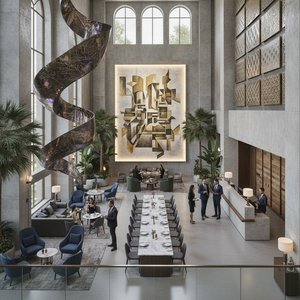
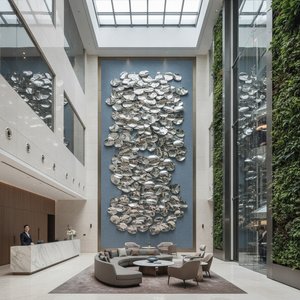
In the sophisticated realm of hospitality design, the boundary between the structured precision of graphic design and the emotive depth of fine art is increasingly becoming a seamless continuum. For the modern hotel designer or procurement manager, understanding this intersection is not merely an aesthetic pursuit but a strategic necessity for creating immersive environments. At its core, the dialogue between these two disciplines allows for a unique synthesis where the communicative clarity of graphic elements meets the profound, tactile resonance of classical artistry. This convergence creates a visual language that can guide a guest through a space while simultaneously evoking the quiet reverence typically reserved for museum galleries.
When we examine the history of visual communication, we see that the most impactful environments are those where text, image, and concept are unified into a single, cohesive experience. Graphic design provides the framework—the typography, the logos, and the directional signage that ensure operational efficiency and brand recognition. Fine art, conversely, provides the soul, offering the textures, colors, and historical weight that transform a sterile corridor into a curated journey. By bridging these worlds, designers can leverage the communicative power of modern graphics to anchor the more abstract, emotional impact of fine art, resulting in a space that is both intuitively navigable and deeply memorable.
Structural Harmony: Utilizing Bauhaus Principles and Geometric Grids for Architectural Cohesion
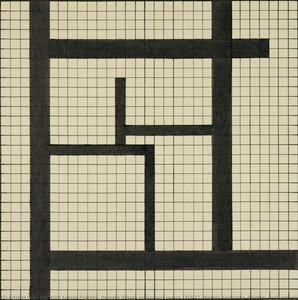 Bauhaus Dessau preliminary course 1926/27. Wassily Kandinsky. Dividual (grid) and inividual (black) design of the square
Bauhaus Dessau Preliminary Course 1926/27: A Grid of Ideas – Exploring Konrad Püschel’s Vision The artwork "Bauhaus Dessau preliminary course 1926/27. Wassily Kandinsky" by Friedrich Konrad Püschel stands as a testament to the formative years of Bauh...
The architectural integrity of a luxury hotel relies heavily on the disciplined application of structure and rhythm. One of the most potent tools available to the designer is the legacy of the Bauhaus movement, which revolutionized the concept of Gesamtkunstwerk—the comprehensive artwork. By integrating the principles of geometric abstraction and functionalism, designers can utilize the grid as both a constraint and a liberating force. This is evident in works such as those inspired by the Bauhaus Dessau preliminary courses, where the use of a linear grid provides an underlying sense of order and rationality that mirrors modern architectural plans.
In a commercial interior, the application of these geometric principles can be achieved through the strategic placement of multi-panel paintings or large-scale graphic motifs. A series of three or five panels, meticulously engineered to ensure colors and brushstrokes flow seamlessly across every edge, acts as an extension of the building's own lines. This approach prevents visual fragmentation, instead promoting a sense of architectural cohesion. When the precision of a grid—reminiscent of Wassily Kandinsky’s explorations of form—is married to the organic texture of hand-painted oil on canvas, the result is a space that feels intentionally constructed and intellectually stimulating.
Visual Storytelling in Hospitality: Leveraging High-Impact Graphics to Define Brand Identity
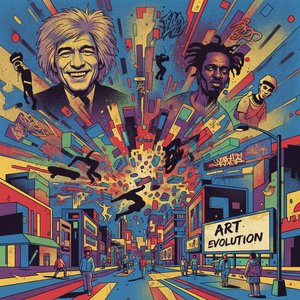 Bold Graphics: The High-Impact Visual Revolution Defining Modern Street & Pop Art
The Death of Muted Tones: Why High-Impact Graphics are Reclaiming the Visual Narrative Digital Art Revolution: High-Impact Graphics & The Future of Contemporary Design Trend Forecast The New Visual Language: How High-Impact Graphics are Redefining Mo...
In an era defined by visual saturation, the ability of a brand to tell its story through high-impact graphics is paramount. The evolution of graphic art, from the bold, communicative power of 19th-century publications like The Graphic to contemporary motion design, demonstrates that visual storytelling must prioritize artistic merit to truly resonate. For hospitality chains, this means moving beyond mere decoration and toward a deliberate use of imagery that interprets the brand's narrative. High-impact graphics—characterized by saturated colors and razor-sharp lines—demand immediate attention and can serve as the primary driver of a hotel's visual identity.
This storytelling capability extends to the way we utilize color and motif to define specific zones within a property. Just as Alfred Arndt utilized striking red and yellow accents in his Bauhaus-era poster designs to command attention, a designer can use bold, graphic elements to signal transitions between public lobbies and private lounges. When these graphic intentions are supported by fine art reproductions that offer deeper tonal ranges than standard prints, the brand identity gains a layer of prestige. The goal is to create a visual narrative where every element, from the weight of the typography to the impasto texture of a landscape painting, contributes to a singular, unmistakable brand experience.
Materiality and Depth: The Tactile Advantage of Hand-Painted Reproductions over Digital Prints
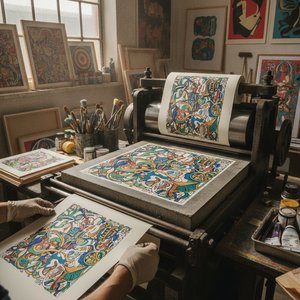 Beyond the Print: The High-Impact World of Lithography & Graphic Art
The Power of the Press: Why Graphic Art Hits Harder Than Traditional Canvas In a world saturated with fleeting digital imagery, there is an undeniable, visceral punch that only graphic art can deliver. While traditional oil paintings often invite a q...
A critical distinction for the professional decorator lies in the tactile reality of the medium. While digital Giclée prints offer incredible accuracy and durability, they often lack the visceral punch required for high-end luxury environments. There is an undeniable, sensory difference between a flat, computer-printed image and a 100% hand-painted oil reproduction on cotton canvas. The latter possesses visible brushstrokes and a physical depth that invites closer inspection, creating a sense of "presence" that digital media simply cannot replicate. This materiality is essential for breaking the monotony of modern surfaces and adding a layer of human craftsmanship to the built environment.
The longevity and prestige of an interior are significantly enhanced by the use of materials that age with grace. Our hand-made reproductions utilize flexible gesso to prevent cracking and specific oils, such as safflower for whites, to ensure the prevention of yellowing over decades. The application of a final Damar varnish protects the surface from atmospheric pollutants, ensuring that the vibrant pigments remain as striking in twenty years as they are on the day of installation. For the procurement manager, this represents not just an aesthetic choice, but a long-term investment in the durability and value of the property's assets.
Strategic Implementation: Integrating Large-Format Murals and Multi-Panel Sets into Commercial Spaces
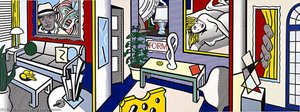
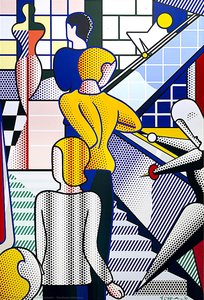 Bauhaus stairway
Bauhaus Stairway: A Dialogue Between Architecture and Pop Art Roy Lichtenstein’s *Bauhaus Stairway* (1989) stands as a fascinating testament to the artist's ability to synthesize seemingly disparate influences—the austere principles of Bauhaus archit...
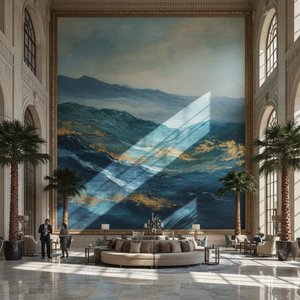
The implementation of art within large-scale commercial projects requires a sophisticated approach to scale and logistics. One of the most effective trends in contemporary hotel design is the use of multi-panel sets, which allow for the fragmentation of a single masterpiece across wide walls or grand staircases. This technique provides a modern, architectural look that can bridge the gap between massive structural voids and intimate seating areas. Similarly, for spaces requiring a truly transformative impact, large-format murals and ceiling frescoes offer an opportunity to recreate historical grandeur, such as the breathtaking ceilings of the Renaissance, using modern canvas rolls that are installed with the ease of high-erend wallpaper.
Successful integration also involves the "remixing" of art history to suit specific interior palettes. Through professional digital mockup services, designers can visualize how a custom commission—perhaps a portrait reimagined in the light-drenched style of Monet or a landscape in the impasto technique of Van Gogh—will interact with existing textures and lighting. This level of customization ensures that the artwork does not merely sit on the wall but becomes an integral component of the room's architectural DNA, providing a seamless transition between the physical structure and the artistic vision.
Curating the Visual Experience: Expert Consultation for Large-Scale Art Procurement
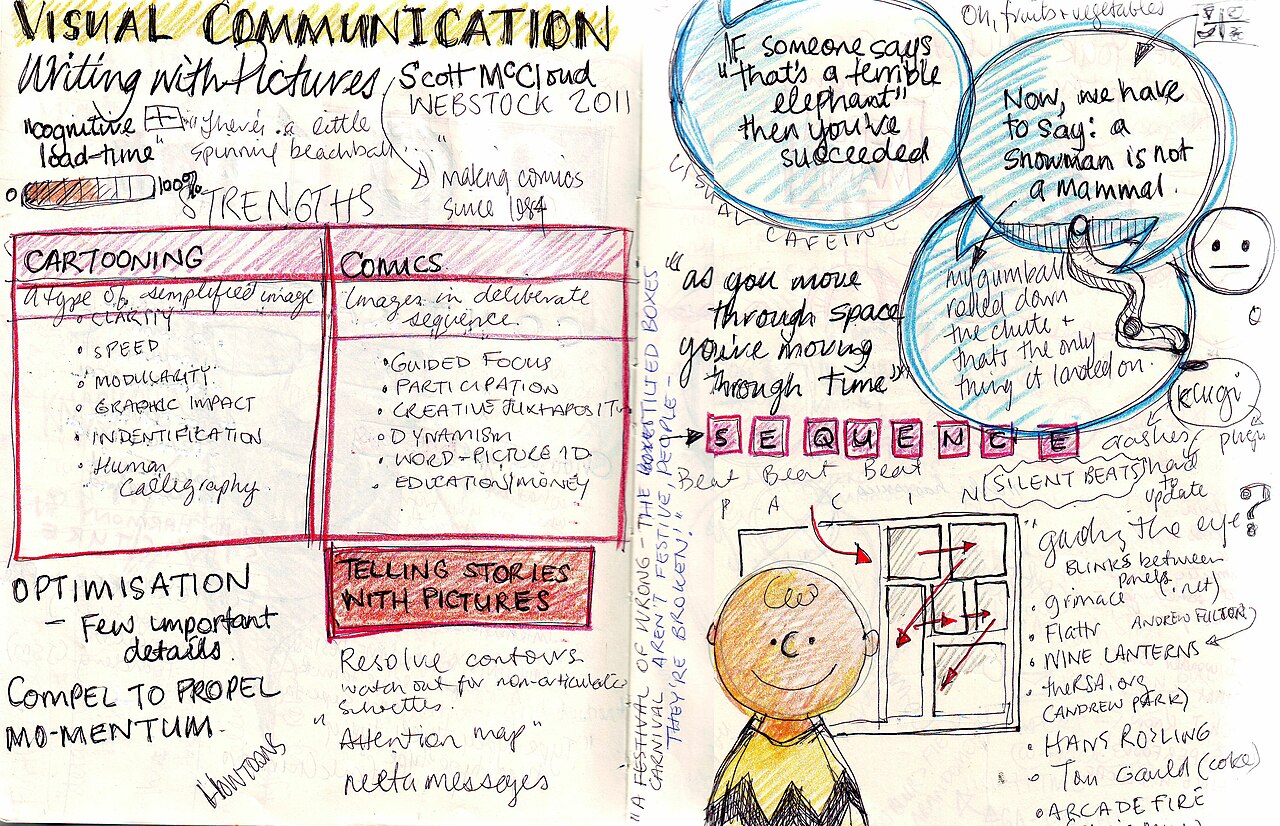 Visual communication
Visual communication is the use of visual elements to convey ideas and information which include (but are not limited to) signs, typography, drawing, graphic design, illustration, industrial design, advertising, animation, and electronic resources. T...
Navigating the complexities of large-scale art procurement—managing budgets, timelines, and aesthetic cohesion—requires more than just an eye for beauty; it requires operational reliability. For hospitality professionals, the process must be streamlined, from the initial digital placement of artwork on a photo of a wall to the final delivery via secure global logistics partners like DHL or FedEx. The ability to receive tax-compliant documentation, such as VAT invoices and Reproduction Declarations, is essential for corporate accounting and international compliance.
Ultimately, the curation of a hotel's visual experience is a collaborative endeavor between the designer, the artist, and the procurement specialist. Whether it is through custom "Buy from Photo" services that transform personal milestones into museum-grade masterpieces or through the strategic selection of existing classics in multiple standard sizes, the objective remains the same: to create a space where every visual element serves a purpose. By leveraging expert art consultations and professional project coordination, designers can ensure that their vision for a high-impact, visually cohesive environment is realized with precision, efficiency, and unparalleled artistic excellence.
For more information on sourcing premium reproductions and custom commissions for your next project, visit ArtsDot.com.