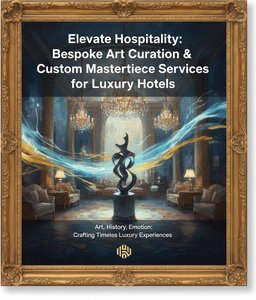
The Neuroaesthetics of Hospitality: Triggering Emotional Resonance Through Curated Masterworks
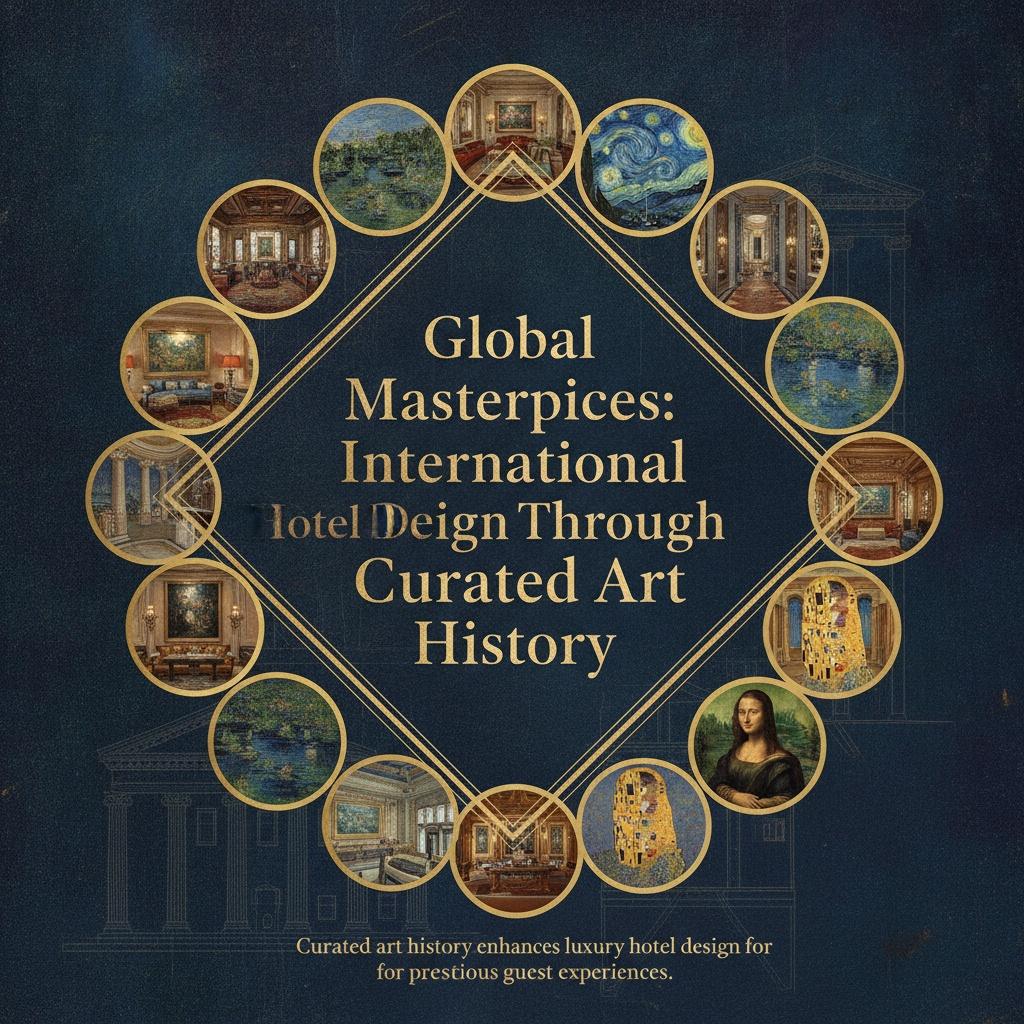 Global Masterpieces: Elevating International Hotel Design Through Curated Art History
The Neuroaesthetics of Hospitality: Triggering Emotional Resonance Through Masterworks Elevate Hospitality: Bespoke Art Curation & Custom Masterpiece Services for Luxury Hotels The Neuroaesthetics of Luxury: How Curated Masterpieces Drive Emotional R...
In the high-stakes arena of contemporary luxury hospitality, a guest's perception of prestige is forged within mere seconds of crossing the threshold. For the visionary designer, the lobby is no longer just a functional checkpoint for check-in; it has evolved into a curated sanctuary designed to trigger immediate emotional resonance. This phenomenon finds its scientific footing in neuroaesthetics, where the encounter with well-encoded, well-chosen artwork triggers complex neurological responses, releasing dopamine and fostering an instant, visceral connection between the traveler and the space. When we move beyond mere decoration and enter the realm of intentional curation, we are engaging the brain's primal response to beauty and order.
The magic lies in the ability of a masterpiece to act as a psychological anchor. Consider the quiet symphony of Henri Matisse’s
Intérieur au violon, Nice Hôtel Beau Rivage. This work does not merely depict an interior; it distills an atmosphere of serenity and light. By integrating such masterworks, a designer can evoke a sense of tranquility that settles the guest's spirit, transforming a transient passageway into a moment of profound stillness. Through the careful application of color theory and composition, curated masterpieces act as aesthetic catalysts, turning a standard stay into a memorable emotional journey that lingers long after the guest has checked out.
From Threshold to Story: Engineering Immersive Brand Journeys via Visual Narratives
Experiential interior designExperiential interior design (EID) is the practice of employing experiential or phenomenological values in interior experience design. EID is a human-centered design approach to interior architecture based on modern environmental psychology emphasizi...
To design for the modern traveler is to engage in deep, visceral storytelling. The most successful hotel interiors do not simply enclose a space; they whisper stories of distant eras, sun-drenched landscapes, and the profound emotions of the masters. This is the essence of experiential interior design—a human-centered approach that emphasizes the influence of designed environments on the total human experience, including sensorial, cognitive, and emotional layers. When a designer selects a piece that speaks to the soul, they are setting a mood and inviting a sense of timelessness that transcends the physical architecture.
Imagine walking into a hotel suite where the walls serve as windows into the human condition. The presence of profound art breathes soul into a room, transforming mere lodging into a memorable destination. Whether it is the dramatic, chiaroscuro depths of the Baroque masters or the ethereal, light-drenched landscapes of the Impressionist era, these works carry a cultural weight that transcends language. By weaving these narratives into the very fabric of the hotel's identity, designers create a sense of place that feels both prestigious and profoundly welcoming, offering guests a sanctuary of transition in an increasingly fast-paced world.
The Aesthetic Catalyst: Leveraging Art for Hotel Virality and Social Sharing
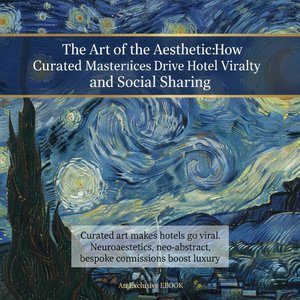 The Art of the Aesthetic: How Curated Masterpieces Drive Hotel Virality and Social Sharing
The Neuroaesthetics of Hospitality: How Curated Art Triggers Emotional Resonance Intérieur au violon, Nice Hôtel Beau Rivage Huile sur Toile Copenhague, Statens for Kunst A Window onto Serenity: Exploring Matisse’s ‘Interior with a Violin, Nice Hôtel...
In our hyper-connected era, the aesthetic appeal of a space serves as a powerful driver of organic social visibility. The modern hotel lobby has undergone a profound transformation; it is now a stage for "Instagrammable" moments that drive global recognition. Curated art collections act as the primary engine for this virance. When a guest encounters a bold, high-impact piece—perhaps a vibrant, contemporary work with Warhol-esque energy or a striking abstract canvas—the impulse to capture and share that moment becomes an organic marketing tool for the brand.
This visual magnetism is not accidental; it is engineered through the strategic use of focal points. A well-placed, large-scale masterpiece creates a conversational centerpiece that invites interaction. This "aesthetic catalyst" effect turns every guest into a brand ambassador, as the beauty of the curated environment is broadcast across digital landscapes. By designing spaces that are visually arresting and culturally literate, hotels can leverage the power of social sharing to build a global presence, ensuring that the brand's visual identity reaches far beyond the physical walls of the property.
Beyond the Canvas: Integrating Large-Scale Murals and Architectural Frescoes into Luxury Design
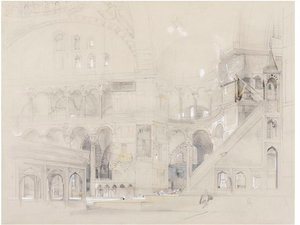 Interior of Hagia Sophia, Constantinople
Subject and Composition This captivating architectural drawing offers a detailed glimpse into the majestic interior of the Hagia Sophia, one of the most iconic symbols of Byzantine architecture and religious history. The sketch captures the grandeur ...
True immersion requires breaking the boundaries of the frame. For the designer seeking to redefine the limits of a space, architectural art offers unparalleled opportunities for transformation. The integration of large-format murals and ceiling frescoes allows for the recreation of historical grandeur within a modern context. These works, often painted on massive canvas rolls, can be installed similarly to high-end wallpaper, allowing a contemporary room to echo the majesty of the Sistine Chapel or the gilded splendor of a French Rococo mansion.
These large-scale interventions change the very perception of volume and scale. A ceiling fresco can lift the eyes upward, creating an illusion of infinite height, while a sweeping wall mural can transport a guest to a different era or landscape entirely. This level of customization allows for a bespoke approach to brand identity, where the art is not merely placed upon the architecture but becomes an inseparable part of it. Such monumental works provide a sense of permanence and architectural weight, grounding even the most avant-garde designs in a tradition of artistic excellence.
Curating Permanence: Using Art History to Anchor Modern Hotel Identities in a Digital Age
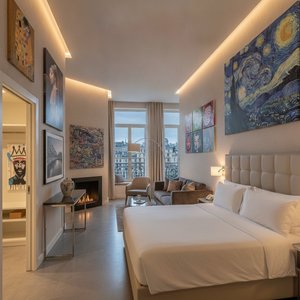 10 Iconic Masterpieces to Elevate Your Hotel Room Decor
Introduction Imagine walking into a hotel suite where the walls don't just enclose a space, but whisper stories of distant eras, sun-drenched landscapes, and the profound emotions of the masters. There is a unique magic in a well-curated hotel room; ...
As we navigate an increasingly digital and ephemeral age, the role of art in hospitality is to provide a sense of continuity and permanence. The world’s most iconic paintings serve as more than mere decoration; they are the canonical pillars of our collective visual heritage. In the context of modern hospitality, these works offer a window into the past, inviting guests to pause and reflect. They bridge the gap between the digital age and the tactile beauty of hand-painted history, providing a sensory anchor that grounds a contemporary room in something soulful and enduring.
By utilizing art history to weave narrative into luxury interiors, designers can create spaces that feel both cutting-edge and timeless. The ability to "remix" history—perhaps by requesting a modern portrait to be painted in the impasto style of Van Gogh or transforming a contemporary image through a Renaissance lens—allows for a unique brand expression that is entirely bespoke. Ultimately, the goal of art curation in hotel design is to create an environment where the grandeur of history meets the quietude of a private retreat, ensuring that the guest's experience is not just a stay, but a profound encounter with beauty.
This article was originally published on ArtsDot.com.