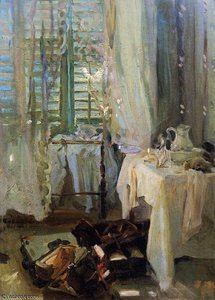

The Psychology of Place: Art as an Emotional Anchor for the Modern Traveler
 Elevating Hospitality: How Curated Art Drives Luxury Value and Guest Loyalty
The Psychology of Place: Art as an Emotional Anchor for the Modern Traveler Elevating Hospitality: How Curated Art Transforms Guest Experience & Brand Loyalty The Psychology of Place: Art as an Emotional Anchor for the Modern Traveler The Aesthetic R...
In the rarefied atmosphere of luxury hospitality, the definition of excellence has undergone a profound metamorphosis. For generations, the hallmark of a premier establishment was found in the predictable perfection of service and the opulent weight of fine linens. Yet, as we navigate an era of unprecedented accessibility to high-end amenities, the discerning traveler no longer seeks merely a sanctuary for rest; they seek a sanctuary for the soul. This fundamental shift has elevated the role of art from a secondary decorative element to a primary psychological anchor. When a guest enters a beautifully curated space, they are not simply entering a room, but an emotional ecosystem.
The science behind this connection lies in the psychology of place—the study of how sensory perceptions of aesthetic artifacts trigger complex cognitive and emotional processes. A masterfully executed oil painting or a thought-imposing sculpture can transform a transient hotel corridor into a meaningful destination, imbuing the space with a sense of permanence and profound connection. By engaging the neurological pathways associated with pleasure and memory, art acts as an anchor, grounding the traveler in a specific moment and location. It provides a sense of stability amidst the frenetic pace of modern existence, turning a temporary stay into a lasting emotional imprint that lingers long after the guest has checked out.
Beyond Decoration: Establishing Brand Narrative Through Curated Masterpieces
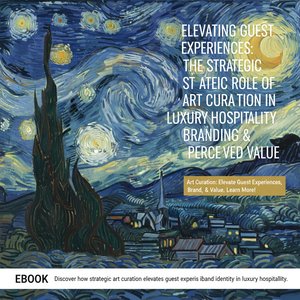 Elevating Guest Experiences: The Strategic Role of Art Curation in Luxury Hospitality Branding & Perceived Value
The Evolving Landscape of Luxury Hospitality: Beyond Comfort & Service Paintings in Hospitals Paintings in Hospitals is a UK charity using art to enhance wellbeing in health & community care settings since 1959. Explore our national collection featur...
The most successful hotels understand that art is not an accessory; it is integral to the very fabric of their brand. In an era saturated with high-end offerings, simply providing comfort is no longer sufficient. Today’s discerning traveler craves immersive journeys that resonate emotionally and forge lasting memories. This has propelled art curation from being merely decorative to becoming a fundamental pillar of luxury branding—a silent storyteller capable of conveying identity, values, and a unique sense of place. The roots of this transformation can be traced back to the grand hotels of the 19th century, where collections were amassed as symbols of wealth, yet contemporary curation goes far beyond ostentatious display.
Modern luxury demands authenticity and connection. It is about a deliberate selection process—choosing pieces that not only complement the architectural aesthetic but also reflect the hotel's core ethos and target audience. Whether it is the rise of boutique hotels prioritizing local artists to foster community engagement, or grand institutions utilizing classical masterpieces to signal heritage, art serves as the brand's silent ambassador. By strategically integrating artwork that reflects a hotel’s history and unique character, designers can weave a narrative thread that connects the physical environment to the guest's personal values.
The Aesthetic Resonance of Hospitality: Creating Long-Term Guest Memory Formation
 Elevating Hospitality: How Curated Art Transforms Guest Experience & Brand Loyalty
The Psychology of Place: Art as an Emotional Anchor for the Modern Traveler The Aesthetic Resonance of Hospitality: Curating Art for Emotional Continuity and Long-Term Guest Memory Formation The Psychology of Place: How Art Shapes Guest Perception & ...
Memory formation in hospitality is deeply tied to aesthetic resonance. The ability of art to influence the emotional tenor of an environment cannot be overstated. Consider the subtle yet commanding influence of color psychology within a lobby or suite; the deliberate use of warm ochre or deep terracotta can evoke an immediate sense of intimacy and groundedness, while the introduction of cool cerulean tones promotes a state of meditative tranquility. This is not merely a matter of aesthetic preference but a strategic deployment of visual language designed to shape guest perception.
When art is curated with intention, it creates what scholars call emotional continuity. A well-placed reproduction of a Renaissance masterpiece or an Impressionist landscape provides a familiar yet extraordinary touchpoint that aids in long-term memory formation. These aesthetic artifacts serve as landmarks within the hotel experience, allowing guests to mentally map their stay around moments of beauty. This curation ensures that the hotel is not merely a place they stayed, but a gallery of experiences they encountered, fostering a deep-seated brand loyalty that is difficult for competitors to replicate through service alone.
Strategic Curation: Integrating Historical Grandeur with Contemporary Luxury Design
For the hospitality designer, the challenge lies in the seamless integration of historical weight and contemporary elegance. The goal is to avoid stylistic monotony by presenting a breathtaking range of artistic voices that can spark curiosity and intellectual engagement. This might involve the use of multi-panel group set paintings to cover expansive walls or staircases, ensuring that colors and brushstrokes flow seamlessly across every panel for a cohesive, modern architectural look. Such large-scale installations allow for the recreation of historical grandeur, much like the massive canvas rolls used for murals and frescoes that can transform a ceiling into a tribute to the Sistine Chapel.
Strategic curation also allows for the "remixing" of art history to suit modern tastes. A designer might request a personal photograph to be painted in the impasto style of Van Gogh or seek a "Period Shift," transforming a contemporary element into a 17th-century masterpiece in the style of Rembrandt. This level of customization ensures that the artwork is not just placed upon the wall, but is woven into the architectural design, creating a bespoke environment where historical reverence meets modern luxury.
Sustainable Luxury in Hospitality: The Enduring Value of Hand-Painted Reproductions
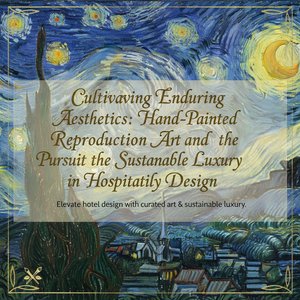 Cultivating Enduring Aesthetics: Hand-Painted Reproduction Art and the Pursuit of Sustainable Luxury in Hospitality Design
The Evolving Role of Art in Luxury Hospitality: Beyond Decoration Elevating Hospitality Aesthetics: A Bespoke Art Curation Service for Luxury Hotels Elevate your hotel's design with expert art curation services. We offer bespoke artwork, custom repro...
In the pursuit of sustainable luxury, there is an increasing move toward cultivating enduring aesthetics. While mass-produced prints may offer temporary visual interest, they lack the "soul" and tactile depth required for true luxury. Hand-painted oil reproductions offer a superior alternative, featuring physical brushstrokes, texture, and the natural variations of oil paint on canvas that no computer print can replicate. These works are created by artists holding degrees from prestigious Fine Arts academies, ensuring that every piece is a labor of passion and craftsmanship.
The value of these reproductions lies in their longevity and their ability to provide a high-end aesthetic without the volatility of the primary art market. Using materials such as 100% cotton canvas, flexible gesso to prevent cracking, and specialized oils like safflower for whites to prevent yellowing, these pieces are engineered for preservation. Finished with a coat of Damar varnish to protect against dust and moisture, they serve as long-term investments in the hotel's aesthetic capital. For the hospitality professional, this represents a way to offer museum-grade quality—from the Mona Lisa to Girl with a Pearl Earring—that enhances brand value and guest experience for generations.