
The Psychology of Place: Art as an Emotional Anchor for the Modern Traveler
 Elevating Hospitality: How Curated Art Transforms Guest Experience & Brand Loyalty
The Psychology of Place: Art as an Emotional Anchor for the Modern Traveler The Aesthetic Resonance of Hospitality: Curating Art for Emotional Continuity and Long-Term Guest Memory Formation The Psychology of Place: How Art Shapes Guest Perception & ...
In the rarefied atmosphere of luxury hospitality, the definition of excellence has undergone a profound metamorphosis. For generations, the hallmark of a premier establishment was found in the predictable perfection of service and the opulent weight of fine linens. Yet, as we navigate an era of unprecedented accessibility to high-end amenities, the discerning traveler no longer seeks merely a sanctuary for rest; they seek a sanctuary for the soul. This shift has elevated the role of art from a secondary decorative element to a primary psychological anchor. When a guest enters a beautifully curated space, they are not simply entering a room, but an emotional ecosystem.
The science behind this connection lies in the psychology of place—the study of how sensory perceptions of aesthetic artifacts trigger complex cognitive and emotional processes. A masterfully executed oil painting or a thought-imposing sculpture can transform a transient hotel corridor into a meaningful destination, imbuing the space with a sense of permanence and profound connection. By engaging the neurological pathways associated with pleasure and memory, art acts as an anchor, grounding the traveler in a specific moment and location. It provides a sense of stability amidst the frenetic pace of modern existence, turning a temporary stay into a lasting emotional imprint.
Beyond Decoration: Art as a Strategic Pillar of Brand Identity and Narrative
 Beyond Decor: Why Hospitality Leaders Choose Curated Art Collections Over Random Frames
The Narrative Thread: Art as the Silent Ambassador of Brand Identity Elevate Hotel Luxury: Transform Your Space with Curated Impressionist Art Collections The Soul of Hospitality: Art as a Narrative Tool for Luxury Hotels Elevating Hospitality Aesthe...
To the visionary hotel designer, a wall is never merely a boundary; it is a canvas awaiting a narrative. In the contemporary landscape, true distinction is rarely found in the mere accumulation of expensive amenities. Instead, it is found in the ability to communicate a brand’s ethos without uttering a single word. Art serves as the silent ambassador of brand identity, a tool capable of conveying heritage, values, and a unique sense of place. When a space is curated with intention, every brushstroke and pigment choice whispers a story of culture and sophistication.
The most successful luxury properties are those that move beyond "random frames" to embrace cohesive collections. Whether it is the commanding presence of Baroque realism reflecting a legacy of grandeur, or the delicate intimacy of the Impressionist movement evoking a sense of modern lightness, the selection of artwork serves as a fundamental pillar of brand storytelling. This strategic deployment allows for the creation of an emotional connection that remains with the guest long after their departure. By integrating fine art, designers can establish an air of established authority and timelessness, transforming a hotel from a mere place to stay into a curated environment designed to inspire and provoke thought.
Aesthetic Resonance: Leveraging Color and Texture to Shape Guest Perception
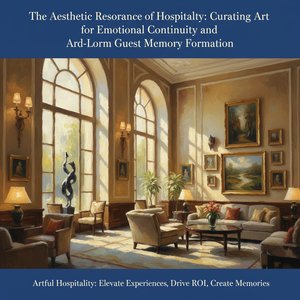 The Aesthetic Resonance of Hospitality: Curating Art for Emotional Continuity and Long-Term Guest Memory Formation
The Psychology of Place: How Art Shapes Guest Perception & Memory Psychology of art The psychology of art is the scientific study of cognitive and emotional processes precipitated by the sensory perception of aesthetic artefacts, such as viewing a pa...
The power of curation lies in the subtle yet commanding influence of visual language. The deliberate use of color psychology within a lobby or suite can dictate the emotional tenor of an entire environment. Consider the profound impact of warm ochre or deep terracotta tones, which evoke an immediate sense of intimacy, groundedness, and comfort. Conversely, the introduction of cool cerulean or soft emerald tones promotes a state of meditative tranquility, essential for wellness-focused retreats. This is not merely a matter of aesthetic preference but a strategic deployment of visual cues to guide guest well-being.
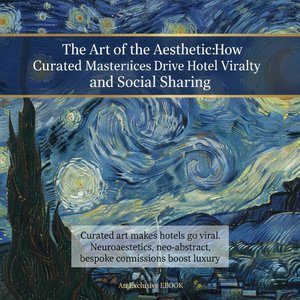
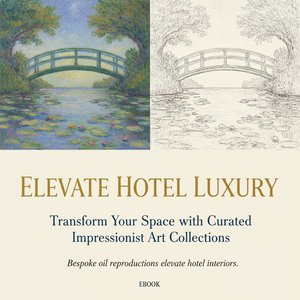
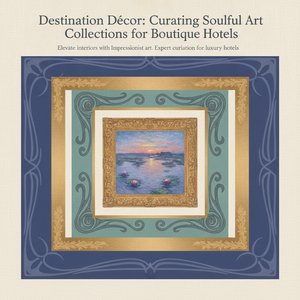
Beyond color, the tactile dimension of art—the texture and depth of the medium—plays a critical role in shaping perception. The physical presence of hand-painted oil reproductions offers a sensory richness that digital prints simply cannot replicate. The visible brushstrokes of an impasto technique, reminiscent of Van Gogh, or the light-drenched layers of a Monet-inspired landscape, provide a tactile depth that invites contemplation. This interplay of color and texture creates a rhythmic harmony within the architecture, stimulating the pleasure pathways of the brain and enhancing the overall sense of luxury through authentic, artisanal craftsmanship.
The ROI of Curation: Driving Perceived Value and Long-Term Guest Loyalty
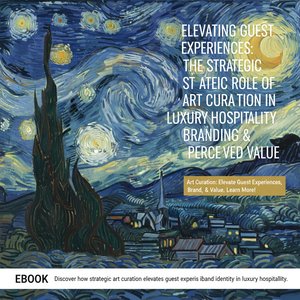 Elevating Guest Experiences: The Strategic Role of Art Curation in Luxury Hospitality Branding & Perceived Value
The Evolving Landscape of Luxury Hospitality: Beyond Comfort & Service Paintings in Hospitals Paintings in Hospitals is a UK charity using art to enhance wellbeing in health & community care settings since 1959. Explore our national collection featur...
In an era saturated with high-end offerings, providing comfort is no longer sufficient to secure market leadership. The strategic role of art curation in luxury hospitality branding is directly linked to perceived value. When guests encounter a space that feels curated rather than merely decorated, their perception of the property's prestige increases. Thoughtful art programming delivers a high return on experience, fostering an environment where "mindful" encounters can occur. This elevation of the guest experience is a powerful driver of brand loyalty.
A well-curated collection also offers long-term strategic advantages. Art can become a talking point, a social media catalyst, and a hallmark of a property's unique identity. By investing in pieces that possess both aesthetic resonance and potential for appreciation, hospitality leaders are not just decorating; they are building an asset portfolio. The emotional continuity provided by art ensures that the memories formed during a stay are anchored to the visual splendor of the hotel, creating a psychological loop that encourages repeat visits and deep-seated brand advocacy.
Curating Continuity: Integrating Bespoke Art into Architectural Design
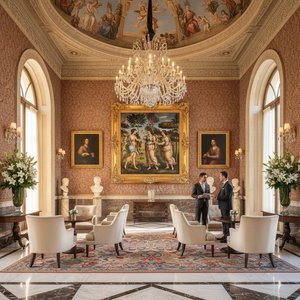
The ultimate achievement in hospitality design is the seamless integration of art and architecture, where the boundaries between the structure and the collection dissolve. This requires a sophisticated approach to scale and placement—utilizing multi-panel group sets to adorn wide staircases or commissioning large-format murals and frescoes to transform ceilings into historical masterpieces. Such works allow designers to recreate the grandeur of Renaissance palazzos or the elegance of classical estates within a modern architectural framework.
This level of integration extends to the ability to "remix" history to suit contemporary needs. Through bespoke services, a designer can request that a personal photograph be transformed into a 17th-century masterpiece in the style of Rembrandt, or that a modern landscape be reimagined through an Impressionist lens. This bespoke approach ensures that the art is not an afterthought but a fundamental component of the architectural DNA. When art and design are perfectly aligned, the result is a cohesive, immersive journey that defines the very essence of luxury hospitality.
For professionals seeking to elevate their projects through world-class artistry, ArtsDot.com offers an unparalleled service for the hospitality industry. From hand-painted oil reproductions and custom commissions to large-scale architectural murals, we provide the tools to transform spaces into legendary destinations. Our B2B Trade Program offers volume discounts, custom sizing, and white-label shipping tailored specifically for interior designers and hotel owners worldwide.