The Tactile Truth: Distinguishing Hand-Painted Impasto from Digital Surfaces
 Impasto
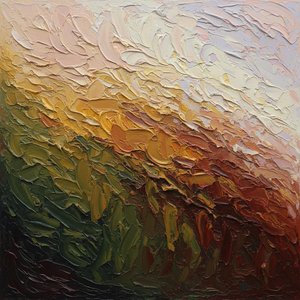
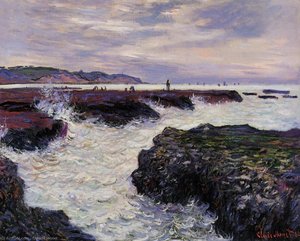
Impasto is a technique used in painting where paint is laid on an area of the surface thickly, usually thick enough that the brush or painting-knife strokes are visible. Paint can also be mixed right on the canvas. When dry, impasto provides texture;...
To the uninitiated eye, a high-resolution digital image captured on a screen may appear indistinguishable from a physical canvas, yet for the discerning collector, the distinction lies in the very soul of the medium. When we encounter a true hand-painted oil reproduction, we are not merely looking at an image; we and engaging in a profound dialogue with texture and light. The magic is found in the topography of the paint itself. Through the masterful application of the
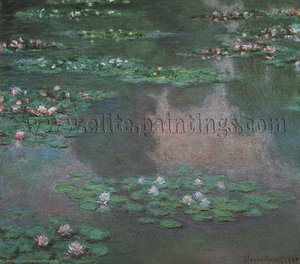
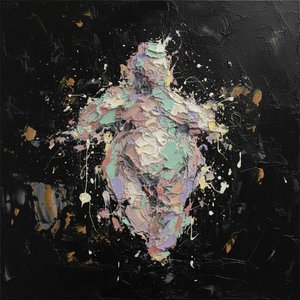
impasto technique, artists lay pigment thickly upon the 100% cotton canvas, creating raised ridges and valleys that catch the light dynamically as one moves around the room. This physical presence—where the brush or painting-knife strokes remain visible—provides a sculptural depth that no flat surface can replicate.
In contrast, even the most advanced digital printing remains fundamentally a two-dimensional endeavor. While a high-quality print may capture the color profile of an original with startling accuracy, it lacks the
tactile truth of oil. There is no way for a printer to mimic the way light dances off a heavy stroke of linseed or safflower oil-based pigment. To collect hand-painted works is to embrace the beautiful, slight variances that occur when human hands manipulate the medium, ensuring that your piece possesses an emotional weight and a physical energy that a mechanical reproduction simply cannot manifest.
The Science of Precision: Decoding Giclée Printing and Archival Excellence
 Giclée Prints: Archival Quality & Aesthetic Nuances for the Discerning Collector
Introduction: The Rise of Giclée Printing in Fine Art Wikipedia: Giclée Giclée ( zhee-KLAY) describes digital prints intended as fine art and produced by inkjet printers. The term is a neologism, ultimately derived from the French word gicleur, coine...
While the soul resides in the brushstroke, there is an undeniable brilliance found in the science of precision. The rise of
Giclée printing has revolutionized how we approach fine art reproduction, offering a level of color fidelity that serves as the pinnacle of digital accuracy. Derived from the French word
gicleur, meaning to squirt, this process utilizes advanced inkjet technology to propel millions of microscopic, pigment-based droplets onto a chosen substrate. For the collector seeking high-impact visual impact—particularly for large-scale installations in modern architectural spaces—Giclée offers an incredible, cost-effective solution that maintains breathtaking color gradations and nuanced tones.
The true value of a Giclée print lies in its archival integrity. Unlike standard inkjet methods, professional fine art prints utilize pigment-based inks rather than dye-based alternatives, providing superior resistance to fading over decades. When paired with high-quality, acid-free substrates, these prints can achieve an impressive 75 to 100-year rating for longevity. For the design-conscious buyer, this represents a perfect confluence of technological advancement and aesthetic ambition, allowing for the mass-scale deployment of vivid, high-impact imagery that remains crisp and vibrant long after the initial installation.
Beyond the Frame: Evaluating Material Longevity and Chemical Stability
 The Connoisseur's Guide to Fine Art Mediums: Distinguishing Between Giclée Prints and Hand-Painted Oil Masterpieces
The Soul of the Canvas: Understanding the Tactile Depth of Hand-Painted Oil Reproductions Oil painting Oil painting is a painting method involving the procedure of painting with pigments combined with a drying oil as the binder. It has been the most ...
A sophisticated collection is built not just on visual impact, but on the promise of permanence. The chemistry of art is a complex dance of binders, pigments, and protective layers, and understanding this science is essential for protecting your investment. In the realm of hand-painted oils, longevity is achieved through meticulous traditional methods. We utilize flexible gesso to prevent the dreaded
craquelure—the network of fine cracks that can plague poorly prepared works—and specific oils, such as safflower, for lighter pigments to prevent the yellowing that often plagues aged canvases. Every masterpiece is finished with a coat of
Damar varnish, creating a shield against dust, moisture, and the atmospheric pollutants of an urban environment.
For those investing in prints, preservation requires a different, yet equally disciplined approach. To ensure your collection remains as vibrant as the day it arrived, one must consider the environmental variables of the display space. Avoiding direct sunlight and utilizing acid-free matting to create a necessary air gap between the print and the glass prevents moisture entrapment and pigment degradation. Whether you are acquiring a heavy-impasto oil or an archival Giclée, the goal remains the same: ensuring that the artist's vision survives for generations through the careful management of light, humidity, and chemical stability.
The Art of the Remix: Identifying High-Impact Customization and Style Shifts
In the contemporary era, the boundaries of art history are no longer fixed; they are ripe for reimagination. One of the most exhilarating opportunities for the modern collector is the ability to
remix classical aesthetics with personal identity. We are seeing a profound shift where collectors no longer merely seek to replicate the past, but to transform it. This "Period Shift" allows for the extraordinary: transforming a modern digital photograph into a 17th-century masterpiece in the dramatic, light-drenched style of Rembrandt, or reimagining a contemporary portrait through the thick, expressive textures of Van Gogh’s impasto.
This level of customization turns art into a deeply personal narrative. Through professional digital mockups, collectors can experiment with color palettes and compositions before a single drop of paint touches the canvas. This process allows for the seamless integration of personal milestones—such as wedding commemorations or pet portraits—into the grand tradition of fine art. By leveraging tools like AI-driven style reconstruction alongside human academic excellence, the collector can bridge the gap between modern pop culture and classical mastery, creating a bespoke aesthetic that is entirely unique to their space.
Curating with Confidence: A Buyer's Checklist for Authenticity and Craftsmanship
 The Collector's Eye: A Professional Guide to Identifying Quality in Oil Paintings & Fine Art Prints
The Tactile Truth: Distinguishing Hand-Painted Oil Reproductions from Digital Prints The Connoisseur's Guide to Fine Art Mediums: Distinguishing Between Giclée Prints and Hand-Painted Oil Masterpieces The Soul of the Canvas: Understanding the Tactile...
Navigating the global art market requires a discerning eye and a structured approach to verification. To ensure you are acquiring high-impact quality rather than mere decoration, a collector must look beyond the surface. First, evaluate the
physicality of the work: is there true depth and texture, or is it a flat, computer-printed appearance? Second, investigate the
provenance of materials: are the pigments bound in traditional oils on cotton canvas, or is it a digital inkjet process? Third, consider the
artist's pedigree: true excellence is found in works produced by specialists holding degrees from prestigious Fine Arts academies, where every stroke is a testament to academic training.
Ultimately, the most successful collectors are those who prioritize
transparency and service. Look for platforms that offer rigorous quality control, such as manual portfolio verification and project coordination, ensuring that the final piece meets museum-grade standards. Whether you are utilizing an auction channel for rare finds or commissioning a custom reproduction, your confidence should stem from a clear understanding of the medium, the maker, and the method. By mastering these distinctions, you transform from a mere buyer into a true curator of high-impact, lasting beauty.
For more expert insights on navigating the world of contemporary reproductions and fine art acquisitions, explore the curated collections at ArtsDot.com.