
The Neuroaesthetics of Hospitality: Engineering Emotional Resonance Through Masterworks
 Beyond Decoration: Bespoke Art Curation & Concierge Services for Luxury Hotels
The Neuroaesthetics of Hospitality: Engineering Emotional Resonance Through Masterworks Elevate Hospitality: Bespoke Art Curation & Custom Masterpiece Services for Luxury Hotels The Neuroaesthetics of Luxury: How Curated Masterpieces Drive Emotional ...
In the high-stakes arena of contemporary luxury hospitality, a guest's perception of prestige is forged within mere seconds of crossing the threshold. For the visionary designer, the lobby is no longer merely a functional checkpoint for check-in; it has evolved into a curated sanctuary designed to trigger immediate emotional resonance. This profound phenomenon finds its scientific footing in the burgeoning field of neuroaesthetics, where the encounter with well-encoded, well-chosen artwork triggers complex neurological responses. When a traveler encounters a masterpiece, the brain responds by releasing dopamine, fostering an instant, visceral connection between the individual and the physical space.
By moving beyond mere decoration and entering the realm of intentional curation, we engage the brain's primal response to beauty and order. Consider the quiet symphony of Henri Matisse’s Intérieur au violon, Nice Hôtel Beau Rivage. This work does not merely depict an interior; it distills an atmosphere of serenity and light. By integrating such masterworks, a designer can evoke a sense of tranquility that settles the guest's spirit, transforming a transient passageway into a moment of profound stillness. The art becomes the heartbeat of the architecture, providing a psychological anchor in an increasingly fast-paced world.
From Threshold to Story: Utilizing Visual Motifs to Weave Brand Narratives
A motif ( moh-TEEF), or sometimes a trope, is any distinctive feature, element, or idea that recurs throughout a story; often, it helps develop larger narrative elements such as the story's themes or mood. A narrative motif can be created through the...
A truly immersive brand journey is constructed through the careful application of narrative motifs—recurring elements or ideas that develop a larger story. In the context of luxury interiors, these motifs act as the threads that bind disparate rooms into a cohesive identity. Just as a literary motif can convey idyllic notions or profound longing, a curated selection of art can establish a pattern of ideas that serves a conceptual purpose. When a designer selects a piece that speaks to the soul, they are engaging in deep, visceral storytelling.
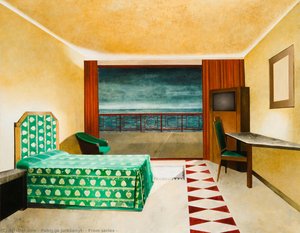
This narrative power is evident when we look at how artists like Patricija Jurkšaityte manipulate visual culture. In her series exploring hotel rooms, she combines motifs from classical painting with imagery taken from contemporary advertising, creating an "all-inclusive" vision of a new reality. For the hotel designer, this presents an opportunity to use art as a linguistic tool. Through the careful application of color theory and composition, curated masterpieces act as aesthetic catalysts, turning a standard stay into a memorable emotional journey that lingers long after the guest has checked out.
Global Masterpieces: Elevating International Design via Art History and Provenance
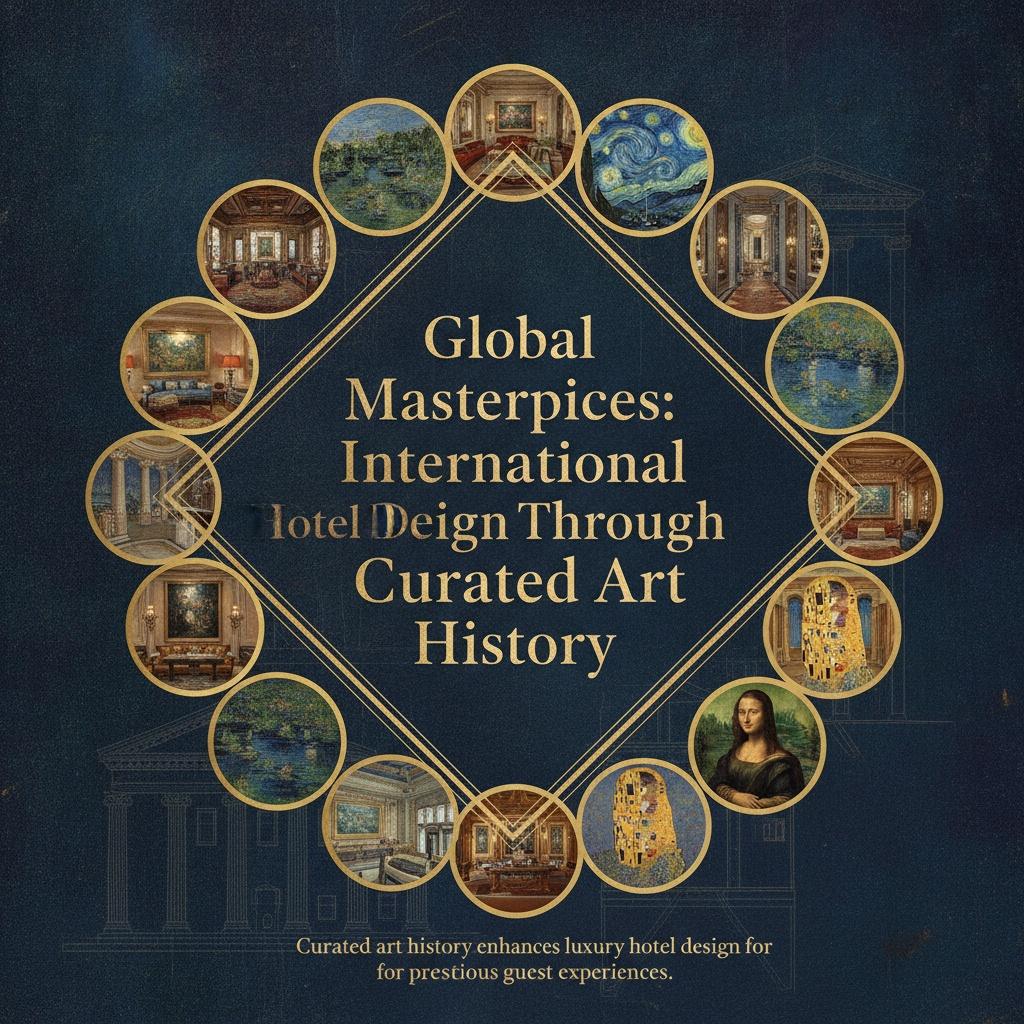 Global Masterpieces: Elevating International Hotel Design Through Curated Art History
The Neuroaesthetics of Hospitality: Triggering Emotional Resonance Through Masterworks Elevate Hospitality: Bespoke Art Curation & Custom Masterpiece Services for Luxury Hotels The Neuroaesthetics of Luxury: How Curated Masterpieces Drive Emotional R...
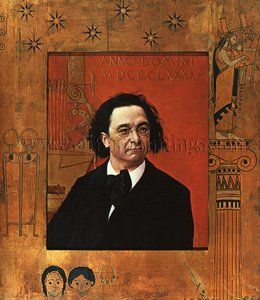
To elevate an international hotel design is to engage with the grand lineage of art history. Utilizing global masterpieces allows a designer to tap into a shared cultural vocabulary that transcends borders. The inclusion of works from different eras—from the opulent Baroque transitions seen in the works of Johann Christian Brand to the light-drenched landscapes of the Romantic movement—provides a sense of permanence and historical weight. This connection to provenance lends an air of established prestige to even the most modern architectural projects.
Integrating art history into a space allows for a sophisticated dialogue between the past and the present. When a designer utilizes the mastery of light and shadow, or chiaroscuro, characteristic of the 18th-century masters, they are not just hanging a painting; they are importing centuries of aesthetic evolution. This approach transforms a hotel from a mere place of lodging into a cultural destination, where every corridor offers a window into the annals of human creativity.
The Aesthetic Catalyst: Leveraging Curated Collections for Social Virality and Prestige
 The Art of the Aesthetic: How Curated Masterpieces Drive Hotel Virality and Social Sharing
The Neuroaesthetics of Hospitality: How Curated Art Triggers Emotional Resonance Intérieur au violon, Nice Hôtel Beau Rivage Huile sur Toile Copenhague, Statens for Kunst A Window onto Serenity: Exploring Matisse’s ‘Interior with a Violin, Nice Hôtel...
In the digital age, the art within a luxury space serves as a powerful driver of organic social visibility. We are witnessing the rise of the "Instagrammable" moment, where curated, breathtaking art collections drive hotel virality and social sharing. A well-placed masterpiece acts as an aesthetic catalyst, prompting guests to capture and share their surroundings with a global audience. This is not merely about vanity; it is about creating "visual landmarks" within the interior that command attention and demand digital engagement.
The prestige of a hotel is significantly amplified when its walls feature works that are worthy of being photographed and shared. When the art is of such high caliber that it becomes a focal point of the guest's experience, the property gains a level of distinction that traditional marketing cannot replicate. The curated collection becomes a tool for brand advocacy, as guests become the primary narrators of the hotel's aesthetic excellence through their own social lenses.
Architectural Integration: Bespoke Solutions from Large-Format Murals to Multi-Panel Series
 From series
 Beside the retrospective paintings interpreting the history of art, Patricija Jurkšaityte has created a considerable number of completely different works, dedicated to the current issues of contemporary architecture. In the painting series Hotel Room...
True luxury lies in the seamless integration of art and architecture. For large-scale projects, standard frame sizes often fall short of the architectural ambition. This is where bespoke solutions become essential. The modern designer can utilize large-format murals and frescoes, painted on massive canvas rolls, to recreate historical grandeur—such as the breathtaking ceilings of the Sistine Chapel—within a contemporary hotel setting. These works are installed with the precision of high-end wallpaper, allowing for a total immersion in art.
Furthermore, the "multi-panel" trend offers a sophisticated way to address expansive walls or grand staircases. By splitting a single masterpiece across three, four, or even five panels, the artwork expands to meet the scale of the architecture. This technique ensures that the colors and brushstrokes flow seamlessly across the structural elements, creating a cohesive, modern architectural look that feels custom-engineered for the space. Whether through MirrorWrap or ExtendedWrap, where the artist continues the painting around the edges of the canvas, the boundary between art and structure begins to dissolve.
The Designer’s Toolkit: Custom Commissions, Period Shifts, and Professional Art Consultation
 Beyond Decor: How Narrative Art Curation Transforms Hotel Interiors into Immersive Brand Journeys
The Neuroaesthetics of Hospitality: Triggering Emotional Resonance Through Curated Masterworks Global Masterpieces: Elevating International Hotel Design Through Curated Art History The Neuroaesthetics of Hospitality: Triggering Emotional Resonance Th...
For the professional designer, the ultimate luxury is customization. The ability to "remix" art history allows for a level of bespoke identity that is unparalleled. Through advanced services, one can request "Period Shifts," transforming a modern photograph into a 17th-century masterpiece in the style of Rembrandt, or requesting a contemporary portrait be executed in the thick, textured impasto style of Van Gogh. This flexibility ensures that the art is never an afterthought but a primary component of the design DNA.
To navigate these complex creative choices, professional art consultation remains indispensable. Expert advisors can provide personalized proposals, digitally "placing" artwork onto photos of a client's specific walls to ensure perfect color matching and scale. From managing the intricate six-step process of handmade oil reproductions—from digital mockup to final varnish—to coordinating large-scale commissions, the goal is always the same: to move beyond decoration and create a bespoke art identity that defines the very soul of the space.
For more information on acquiring museum-quality reproductions or commissioning custom historical masterpieces for your professional projects, please visit ArtsDot.com.