
The Gastronomic Stage: Defining the Intersection of Fine Dining and Visual Narrative
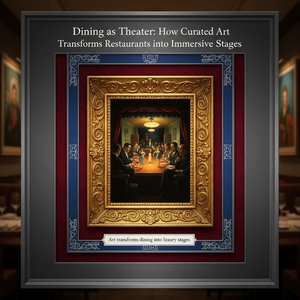 Dining as Theater: How Curated Art Transforms Restaurants into Immersive Stages
The Gastronomic Stage: Defining the Intersection of Fine Dining and Visual Narrative In the realm of haute cuisine, a meal is rarely just about the palate; it is a multi-sensory performance that begins long before the first course arrives. To dine in...
In the rarefied atmosphere of haute cuisine, a meal is rarely a mere sequence of flavors; it is a multi-sensary performance that commences long before the first course graces the table. To dine in an exceptional establishment is to step onto a stage where every element—from the weight of the silver to the soft glow of candlelight—contributes to a larger, unfolding story. This concept, often described as dining as theater, finds its most profound expression through the curation of fine art. When a restaurant transcends the provision of food and begins to curate an environment, it invites guests into a narrative world where the walls do not simply enclose a room but act as the scenery for a grand production.
The intersection of gastronomy and visual art lies in their shared ability to evoke profound emotion through composition. Just as a master chef balances acidity, fat, and salt to achieve culinary harmony, an art curator must balance color, texture, and scale to guide the diner's psychological journey. When these two disciplines align, the restaurant ceases to be a commercial space and becomes an immersive stage. In this theatrical setting, the act of eating is transformed into an exploration of culture and beauty, where the visual feast prepares the soul for the culinary one.
The Psychology of Palette: How Color and Texture Influence the Diner's Journey
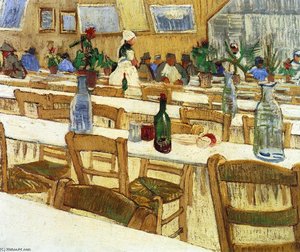 Interior of a Restaurant
A Captivating Glimpse into Parisian Life: Vincent van Gogh’s “Interior of a Restaurant” Vincent van Gogh's "Interior of a Restaurant," painted in 1887, isn’t merely a depiction of a bustling eatery; it’s a vibrant snapshot of everyday life imbued wit...
The visual stimuli within a dining room directly affect mood and emotion, acting as the silent conductor of the guest experience. The strategic use of color can foster intimacy or ignite energy. Warm palettes, rich in deep reds and ochre tones, can create an inviting, almost theatrical atmosphere of conviviality, much like Vincent van Gogh’s 1887 masterpiece, Interior of a Restaurant. In such works, the saturated hues suggest warmth and a subtle sense of energy, drawing patrons into the heart of the scene. Conversely, cooler blues and greens can establish depth and a sense of tranquil observation.
Texture plays an equally vital role in this sensory orchestration. The tactile depth of an oil painting—the visible, thick impasto layers that characterize Post-Impressionist works—provides a palpable sense of movement and life. This physical presence on the wall mirrors the richness of a well-composed dish. When a restaurateur selects artwork with significant textural weight, they provide a sensory anchor that complements the mouthfeel of fine cuisine. The interplay of light across textured brushstrokes can create a shimmering effect, much like the lively abundance found in a bustling Parisian eatery, ensuring that the eyes are as engaged as the palate.
Curating Brand Identity: Art as the Anchor of a Restaurant's Soul
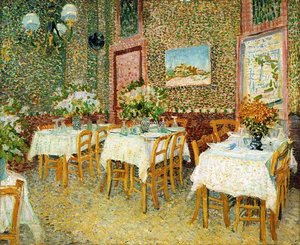 Interior of a Restaurant
Vincent van Gogh’s Intimate Glimpse: Exploring “Interior of a Restaurant” Vincent van Gogh's "Interior of a Restaurant," painted in 1887, isn’t merely a depiction of a dining room; it’s a vibrant snapshot of daily life filtered through the artist’s i...
For the discerning restaurateur, art serves as far more than mere ornamentation; it is the very anchor of brand identity. In an era of hyper-competition, where menus can be replicated and service standards standardized, a unique visual soul is the ultimate differentiator. A carefully selected collection of fine art communicates a restaurant's values, heritage, and aspirations without uttering a single word. Whether it is the bold, energetic brushstrokes of a Post-Impressionist piece signaling a modern, avant-garde spirit, or the refined elegance of a classical portrait suggesting timeless tradition, the art defines the brand’s essence.
This curation allows a restaurant to communicate its "why" to the world. A collection that features works reminiscent of Wassily Kandinsky’s Interior (My Dining Room) might signal a commitment to innovation and the breaking of conventional boundaries, using abstraction to convey profound emotional resonance. By treating the dining room as a gallery of identity, owners can create a lasting psychological imprint on their guests, fostering a sense of loyalty that transcends the meal itself.
From Impressionism to Modernism: Selecting Movements to Match Culinary Concepts
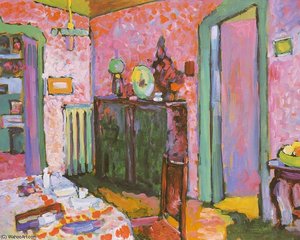 Interior (My Dining Room), oil on cardboard,
Interior (My Dining Room), oil on cardboard The early 20th century witnessed an artistic revolution spearheaded by Modernism, a movement that fundamentally challenged conventional notions of representation and embraced experimentation as its guiding ...
The selection of an artistic movement should be a deliberate reflection of the culinary concept. An establishment rooted in seasonal, organic ingredients might find its soulmate in Impressionism, where the focus on light and natural beauty mirrors the freshness of the plate. The soft, light-drenched styles of Monet can evoke a sense of ephemeral beauty and grace.
Alternatively, a restaurant focused on bold, experimental fusion might lean toward the revolutionary spirit of Modernism or Expressionism. The works of the early 20th century, which challenged notions of representation, provide a perfect backdrop for a menu that challenges the palate. Even the choice between a meticulous grayscale sketch—reminiscent of Van Gogh’s early studies in atmosphere and perspective—and a vibrant, color-driven oil painting can dictate whether a space feels like a place of quiet contemplation or a lively social hub. The movement chosen dictates the tempo of the dining experience.
Architectural Artistry: Integrating Large-Format Murals and Multi-Panel Masterpieces
To truly transform a space, one must consider the architectural scale of the art. Large-format murals and frescoes offer an opportunity to recreate historical grandeur, such as the breathtaking ceilings of the Renaissance, within a contemporary dining setting. These works, painted on massive canvas rolls, allow for a seamless integration of art and architecture, turning a ceiling into a celestial canopy that expands the perceived height of the room.
Furthermore, the modern trend of multi-panel or "split" paintings offers a sophisticated solution for wide walls or grand staircases. By dividing a single masterpiece across three, four, or five panels, the artwork becomes an architectural element in itself, creating a cohesive and modern aesthetic that guides the eye through the space. This approach allows for a monumental impact without overwhelming the room, providing a rhythmic flow of color and form that complements the structural design of the restaurant.
The Curator's Eye: Expert Strategies for Transforming Spaces into Immersive Destinations
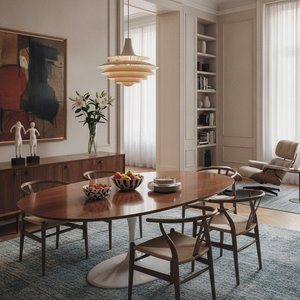
Transforming a functional dining room into an immersive destination requires the eye of a curator. This involves more than just selecting beautiful images; it requires a deep understanding of space planning, light, and the intended guest journey. A professional approach involves considering how art will interact with the existing interior design—how the gold leaf of a frame might catch the candlelight, or how a custom-sized reproduction can fill a void in a structural alcove.
For those seeking to elevate their establishment, the possibilities of "remixing" history are endless. One might request a contemporary scene to be painted in the iconic impasto style of Van Gogh, or even undergo a "Period Shift," where modern imagery is reimagined as a 17th-century masterpiece. At ArtsDot.com, we specialize in these high-level transformations, offering hand-painted oil reproductions that bring the weight and texture of museum-grade art to your commercial space. From custom commissions to large-scale architectural murals, our mission is to provide the visual narrative that turns your restaurant into a legendary stage.