
The Gastronomic Stage: Transforming Dining into an Immersive Experience
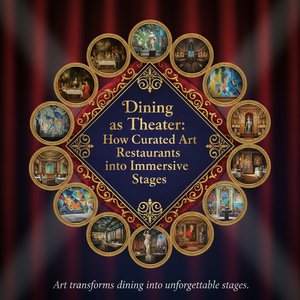 The Gastronomic Stage: Interior Design as Narrative Framework in the Contemporary Restaurant Experience
The Evolving Narrative: From Functional Space to Immersive Experience For centuries, the restaurant existed primarily as a practical necessity – a place to refuel. But the modern appetite extends far beyond sustenance; it craves connection, story, an...
In the modern era of hospitality, a restaurant has transcended its original purpose as a mere place for sustenance. We have entered an age where the dining room serves as a stage, and every meal is a performance designed to resonate on a profound emotional level. For the discerning restaurateur, the challenge lies in moving beyond functional excellence to create a sanctuary of connection—a space where time slows down and guests are invited to linger within a carefully curated narrative. This transformation requires more than just exquisite ingredients; it demands an environment that breathes with life and history. When we look toward the evolution of dining, we see that the most successful establishments are those that treat their interior design as a framework for storytelling, using every element of the room to evoke a sense of belonging and wonder.
To achieve this level of immersion, one must consider the psychological impact of the surroundings. The concept of environmental psychology suggests that our built environments deeply shape our individual experiences and social interactions. By integrating fine art into the very fabric of your restaurant, you are not merely decorating a wall; you are inviting the luminous spirit of history to participate in the conversation at the table. This is where the boundary between the culinary and the visual dissolves, allowing the atmosphere to become as much a part of the menu as the seasonal delicacies served upon the plate.
Luminous Palettes: Using Impressionist Color Theory to Stimulate the Appetite
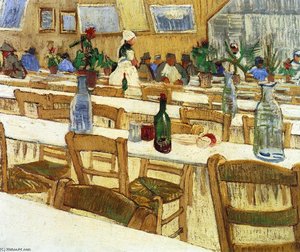 Interior of a Restaurant
A Captivating Glimpse into Parisian Life: Vincent van Gogh’s “Interior of a Restaurant” Vincent van Gogh's "Interior of a Restaurant," painted in 1887, isn’t merely a depiction of a bustling eatery; it’s a vibrant snapshot of everyday life imbued wit...
The mastery of color is perhaps the most potent tool in an artist's—and a restaurateur's—arsenal. The Impressionist and Post-Impressionist masters understood, with intuitive brilliance, how color could manipulate mood and stimulate the senses. Consider the works of Vincent van Gogh, particularly his Interior of a Restaurant. In this vibrant snapshot of Parisian life, Van Gogh employs a warm, saturated palette dominated by deep reds and ochres. These hues are not merely representational; they are theatrical, creating an inviting atmosphere of conviviality and energy that naturally mirrors the warmth of a bustling eatery. Such bold tones can anchor a room, providing a focal point that sparks curiosity and stimulates the appetite through visual richness.
Conversely, the use of complementary colors—such as juxtaposing warm reds with cooler blues or greens—can create a sense of depth and movement within a dining space. This technique, often seen in the works of Seurat or Van Gogh, prevents a room from feeling static. For a restaurant owner, selecting art with a specific color harmony allows for the intentional curation of mood. Whether you seek the energetic pulse of a midday bistro or the serene, sun-drenched tranquility of a summer afternoon, the prismatic palette of the Impressionists offers a visual language perfectly suited to influence the guest's sensory journey.
Capturing the Ephemeral: The Role of Light and Shadow in Creating Intimate Ambience
 Impressionist photography
Impressionist photography is a term occasionally used to describe certain pictorialist photographs from the late 19th and early 20th centuries that emphasize mood, atmosphere, and subjective vision over sharp detail and realism. While not directly al...
At its heart, Impressionism is a study of light. Artists like Claude Monet and Pierre-Auguste Renoir dedicated their lives to capturing the fleeting, ephemeral essence of life—the way sunlight dances across a garden or how a soft glow settles over a shared moment. In a dining environment, the manipulation of light and shadow is essential for creating intimacy. The ability to evoke the "soft glow of shared moments" through art allows a restaurant to feel like a sanctuary. When guests are surrounded by works that celebrate light-drenched compositions, the very air of the room seems to change, becoming more luminous and soulful.
This focus on temporality—the beauty found in the transient—is what makes Impressionist works so uniquely suited for intimate settings. These paintings act as windows into another era, providing a backdrop that feels alive and breathing. By incorporating art that emphasizes atmosphere over sharp, rigid detail, you allow your guests to lose themselves in the mood of the space. The subtle interplay of light within a canvas can soften the edges of a modern room, adding a layer of historical prestige and timelessness that encourages patrons to remain long after the final course has been cleared.
Curating a Narrative: Selecting Masterpieces that Tell Your Restaurant's Story
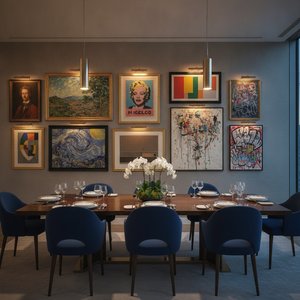 10 Iconic Masterpieces to Elevate Your Dining Room Decor
Introduction The dining room is more than a mere space for sustenance; it is the heart of the home, a sanctuary for conversation, and a stage for the most intimate of human connections. To adorn this setting with fine art is to elevate a simple meal ...
Every great restaurant possesses a soul, a unique identity that distinguishes it from the myriad of dining options available. Curating your art collection is an extension of this brand identity. Just as a chef selects ingredients to build a dish, a restaurateur must select masterpieces to build an atmosphere. The choice of art should reflect the narrative you wish to communicate. For instance, a restaurant celebrating heritage and tradition might lean toward the dramatic depth of the Old Masters or the structured elegance of Post-Impressionism, whereas a contemporary, avant-garde bistro might find inspiration in the more experimental textures of later movements.
The art serves as a silent storyteller. A collection of Pissarro’s serene dining scenes can evoke a sense of nostalgia and quiet pleasure, while more energetic works can drive a high-tempo, social atmosphere. The key is intentionality. When we select paintings for an intimate environment, we are curating an atmosphere of warmth, prestige, and connection. By choosing works that resonate with your culinary philosophy, you create a cohesive experience where the decor, the menu, and the service all sing from the same thematic score.
The Tactile Table: Enhancing Sensory Depth with Hand-Painted Textures and Impasto
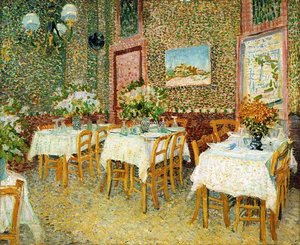 Interior of a Restaurant
Vincent van Gogh’s Intimate Glimpse: Exploring “Interior of a Restaurant” Vincent van Gogh's "Interior of a Restaurant," painted in 1887, isn’t merely a depiction of a dining room; it’s a vibrant snapshot of daily life filtered through the artist’s i...
To truly elevate a dining room into a sensory experience, one must look beyond the visual and consider the tactile. While digital prints may offer accuracy, they often lack the "soul" found in a true oil painting. The magic of a handmade reproduction lies in its physical presence—the visible brushstrokes, the thick impasto layers, and the rich, layered pigments that create a palpable sense of texture and movement. When a guest sits before a canvas where the paint itself rises from the surface, they are witnessing the human hand at work, adding a layer of authenticity and craftsmanship to their surroundings.
This tactile depth complements the textures found in fine dining—the crispness of linen, the weight of silver, and the complexity of a well-composed sauce. Using art that features heavy impasto or the characteristic stippling of Pointillism introduces a rhythmic energy into the room. This physical texture prevents the environment from feeling flat or sterile, instead providing a sense of luxury and substance. It is this very "materiality" of art that transforms a simple meal into a multi-sensory event, inviting guests to appreciate the profound beauty found in the textures of both food and fine art.
From Canvas to Concept: Integrating Fine Art into Modern Restaurant Interior Design
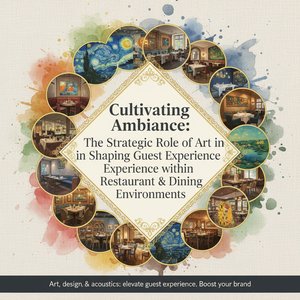 Cultivating Ambiance: The Strategic Role of Art in Shaping Guest Experience within Restaurant & Dining Environments
The Psychology of Restaurant Design: Beyond Aesthetics Wikipedia: Environmental psychology Environmental psychology is a branch of psychology that explores the relationship between humans and the external world. It examines the way in which the natur...
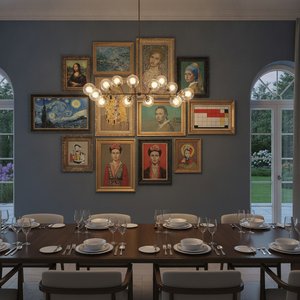
Integrating fine art into a modern restaurant requires a sophisticated architectural approach. It is not merely about hanging a frame; it is about creating a seamless flow between the artwork and the physical space. For larger, more ambitious projects, such as hotel dining rooms or grand banquet halls, one might consider large-format murals or even ceiling frescoes that recreate historical grandeur. These works, painted on massive canvas rolls, allow for a transformative effect that can redefine the entire volume of a room.
Furthermore, modern trends like "multi-panel" or group set paintings offer a way to bridge the gap between classical art and contemporary architecture. Splitting a single masterpiece across three, four, or five panels allows the artwork to interact with wide walls or staircases, creating a cohesive, modern aesthetic that feels integrated into the building's design. Whether through custom framing in gold leaf or the use of extended wraps that allow the painting to continue around the edges of the canvas, the goal is to ensure that the art and the architecture are in constant, beautiful dialogue. In doing so, you create more than a restaurant; you create a destination.