

The Digital Renaissance: How Social Media Recontextualized the Old Masters
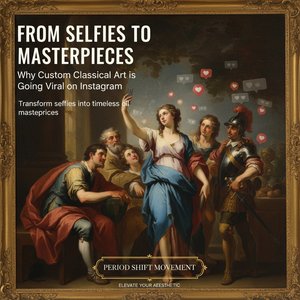 From Renaissance Memes to Viral Portraits: The Rise of Customized Classical Paintings in the Age of Instagram
The Unexpected Renaissance: How Memes Revived Classical Art It seems a paradox, doesn’t it? The solemn grandeur of Old Masters—Botticelli’s ethereal figures, Caravaggio’s dramatic chiaroscuro, Rembrandt’s profound portraits—finding new life in the fl...
It appears a profound paradox is unfolding within our digital landscape. The solemn grandeur of the Old Masters—the ethereal, flowing figures of Botticelli, the dramatic chiaroscuro of Caravaggio, and the soulful, psychological depth of Rembrandt—has found an unlikely second life within the fleeting, high-velocity world of internet memes and social media feeds. What began as playful, often ironic juxtaposments—a Renaissance noble sporting modern designer sunglasses or a stoic Roman emperor reacting to contemporary global events—has evolved into something far more significant than mere digital humor. This movement has bridged the gap between high culture and popular entertainment, making art history feel accessible, relatable, and deeply connected to our current moment.
This unexpected resurgence is not merely about irony; it is a testament to the inherent emotional resonance of these classical works. When a detail from Edvard Munch’s The Scream becomes a universal shorthand for modern anxiety, or Jan van Eyck’s Arnolfini Portrait serves as a canvas for commentary on contemporary relationships, the artwork is being recontextualized rather than disrespected. The skill of the original masters—their ability to capture the raw essence of human experience through light and shadow—is precisely what allows these images to transcend their era. As these works circulate via Instagram and TikTok, they spark a genuine curiosity, inviting a new generation to seek out the rich histories and sophisticated techniques that once seemed confined to museum walls.
Beyond the Filter: The Search for Permanence in an Era of Ephemeral Content
 From Selfies to Renaissance: Why Custom Classical Portraits are Going Viral on Instagram
The Aesthetic Shift: Why Digital Nostalgia is Reclaiming the Renaissance In an era defined by the fleeting flicker of a smartphone screen, a profound cultural pivot is underway. We find ourselves caught in a cycle of rapid-fire consumption, where ima...
In an era defined by the fleeting flicker of a smartphone screen, a profound cultural pivot is underway. We find ourselves caught in a cycle of rapid-പ്പെടുന്നു consumption, where images are captured, filtered, and discarded within seconds. Yet, amidst this digital ephemeralness, a powerful wave of nostalgia is pulling our gaze backward. The "Modern Renaissance" movement on social media isn't merely about mimicking old aesthetics; it is a deep-seated longing for permanence in an impermanent age. We see influencers and tastemakers moving away from the hyper-saturated, high-definition clarity of modern photography toward the moody, chiaroscuro depths of the Old Masters.
This aesthetic shift represents a desire to imbue our digital identities with the weight of history. When we look at the works of masters like Rembrandt or the elegant portraiture of the 19th century, we aren't just seeing faces; we are witnessing the mastery of light, shadow, and human emotion. This aesthetic—often referred to as dark academia or classical revival—leverages the dramatic tension found in historical works to create a sense of mystery and prestige. By embracing the textures and tones of the past, the modern creator finds a way to anchor their digital presence in something that feels much older, much deeper, and infinitely more significant than a standard pixelated snapshot.
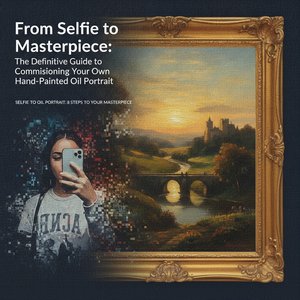
The Art of the Remix: Transforming Modern Selfies into Timeless Oil Masterpieces
 From Selfies to Masterpieces: Why Custom Classical Art is Going Viral on Instagram
The Digital Renaissance: How Social Media Recontextualized the Old Masters From Renaissance Memes to Viral Portraits: The Rise of Customized Classical Paintings in the Age of Instagram The Unexpected Renaissance: How Memes Revived Classical Art It se...
The most captivating element of this trend is the concept of the "artistic remix." The boundary between contemporary life and classical tradition has become beautifully blurred. We are no longer just taking selfies; we are reimagining our very essence through the lens of historical genius. Imagine a modern portrait, captured in a casual moment of reflection, but rendered with the heavy, dramatic impasto of Van Gogh or the soft, light-drenched atmosphere of Monet. This is the ultimate expression of digital nostalgia: using the tools of the past to elevate the snapshots of the present.
At ArtsDot.com, we witness this transformation daily through our custom commissions. We offer the ability to "remix" art history by allowing clients to request a photo be painted in specific historical styles. Whether it is a "Period Shift," transforming a modern selfie into a 17th-century masterpiece in the style of Rembrandt, or applying the thick, textured brushstrokes characteristic of the Impressionists, the goal is to bridge the gap between the ephemeral and the eternal. This process turns a momentary digital capture into a tangible, museum-grade heirloom that possesses a soul far beyond its digital origin.
Aesthetic Nostalgia: Why Dark Academia and Classical Revival are Dominating Feeds
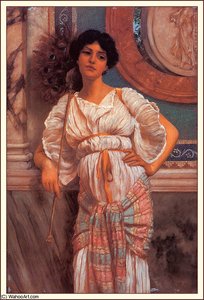 a classical beauty with a peacock fan
Admire 'A Classical Beauty,' a stunning Victorian Neo-Classical painting by John William Godward. Experience exquisite detail & timeless elegance. Hand-painted reproductions available.
The rise of "Dark Academia" on social media platforms is more than just a fashion trend; it is an aesthetic movement rooted in the romanticization of knowledge, classical literature, and fine art. This movement finds its visual anchor in the textures of the past—the smooth marble of Neo-Classical works like those of John William Godward, or the rich, heavy fabrics found in Baroque portraiture. There is a palpable fascination with the aesthetic perfection of antiquity, where every element, from the delicate interplay of light to the organic softness of a rose petal, contributes to an atmosphere of opulent tranquility.
This revival celebrates the tactile and the ornate. We see this in the popularity of works that emphasize texture—the visible, thick application of paint known as impasto, which provides a three-dimensional quality that digital screens simply cannot replicate. As creators seek to curate feeds that feel sophisticated and intellectually grounded, they turn toward these classical motifs to provide a sense of stability and refined elegance. It is an era where the "old" is being rediscovered not as something dusty, but as something vital and deeply evocative.
From Pixels to Pigment: The Craftsmanship Behind Custom Historical Commissions
 Impasto
Impasto is a technique used in painting where paint is laid on an area of the surface thickly, usually thick enough that the brush or painting-knife strokes are visible. Paint can also be mixed right on the canvas. When dry, impasto provides texture;...
The transition from a digital file to a physical masterpiece requires more than just technology; it requires academic excellence. A true hand-painted reproduction is a labor of passion, executed by artists who hold degrees from prestigious Fine Arts academies. Unlike mass-produced prints that rely on computer-printed flatness, our oil reproductions are 100% hand-painted on cotton canvas. This allows for the creation of visible brushstrokes and a deeper tonal range that captures the true essence of the original masters.
The process is meticulous and multi-layered. It begins with a professional digital mockup service to ensure the composition—whether it be a group portrait or a custom color match—is perfect before a single drop of oil touches the canvas. The artist then spends weeks layering pigments, using specific oils like safflower for whites to prevent yellowing, and finishing the work with a protective coat of Damar varnish. This ensures that the painting is not just a copy, but a new piece of art capable of lasting generations. From the initial confirmation to the final delivery via DHL or FedEx, every step is designed to maintain museum-grade standards.
Curating Your Digital Legacy: Integrating Fine Art into Modern Lifestyle Branding
For the modern influencer and tastemaker, art is a cornerstone of lifestyle branding. The ability to integrate high culture into one's personal narrative creates a sense of prestige and depth. Whether it is through large-format murals that recreate historical ceilings in a luxury hotel setting, or multi-panel "group set" paintings that anchor a modern staircase, fine art serves as the ultimate architectural statement. It transforms a space from a mere room into a curated gallery.
As we continue to navigate this digital age, the integration of classical beauty offers a way to leave a lasting impression. By commissioning works that reflect our personal history—such as turning wedding milestones or pet portraits into historical triumphs—we create a legacy that transcends the scrollable feed. In the end, the movement from selfies to masterpieces is about more than just aesthetics; it is about finding ways to make our most precious moments endure with the same dignity and grace as the Old Masters themselves.