The Psychology of Prestige: Moving Beyond Transactional Gifting to Emotional Connection
 The Canvas of Connection: Quantifying the ROI of Art-Based Gifting on Corporate Relationships and Brand Equity
The Psychology of Gifting: Building Rapport & Reciprocity Psychology of art The psychology of art is the scientific study of cognitive and emotional processes precipitated by the sensory perception of aesthetic artefacts, such as viewing a painting o...
In the rarefied atmosphere of luxury hospitality and high-level corporate leadership, the concept of a gift has long transcended the mere exchange of physical objects. For the discerning hotel director or executive, gifting is an intricate language of symbols, a silent dialogue that communicates respect, recognition, and shared status. We must look beyond the era of the ubiquitous branded pen or the generic calendar—items that often serve as markers of indifference rather than appreciation. True prestige lies in the psychology of reciprocity, where a gift acts as a catalyst for profound emotional resonance. When we present an object of aesthetic significance, we are not merely completing a transaction; we and our recipients are engaging in a ritual of connection. The scientific study of art psychology suggests that the sensory perception of an aesthetic artifact can trigger neurological responses associated with pleasure and social bonding. By selecting a gift that possesses intrinsic beauty, a leader initiates a delicate dance of trust, moving the relationship from the cold realm of spreadsheets into a space of genuine human appreciation.
Curating Brand Identity: Selecting Masterpieces that Reflect Corporate Values and Heritage
 Brand
BrandA brand is a name, term, design, symbol or any other feature that distinguishes one seller's goods or service from those of other sellers. Brands are studied in business, marketing, and advertising and used for recognition and, importantly, to create...
A brand is far more than a logo or a name; it is a promise of quality, a repository of values, and a distinct personality that distinguishes one institution from another. For a luxury hotel, the choice of art within its walls—and the art chosen for its most valued partners—serves as a visual manifesto of this identity. To select a masterpiece reproduction is to align your brand with the historical weight of human achievement. Consider the profound stability and grandeur reflected in the Baroque era; a work such as Sir Peter Paul Rubens’s sketches, with their raw energy and masterful use of light and shadow, can communicate a sense of dynamic power and tradition. Conversely, for a brand rooted in innovation and fluidity, the soft, light-drenched landscapes of Monet or the textured, emotional depth of German Expressionism may be more appropriate. The curation process requires an expert eye to ensure that the chosen era, movement, and subject matter harmonize with the corporate narrative, transforming a simple gesture into a strategic reinforcement of brand equity.
The Renaissance of Recognition: Art as a Strategic Tool for Stakeholder Engagement
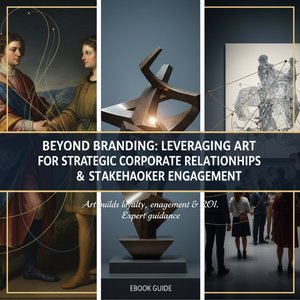 Beyond Branding: Leveraging Art for Strategic Corporate Relationships & Stakeholder Engagement
The Evolving Role of Corporate Gifting: From Transactional Exchange to Relationship Building Elevating Corporate Relationships: A Comprehensive Guide to Art Gifting Discover how strategic art gifting can elevate corporate relationships. provides expe...
Historically, the practice of patronage was the bedrock of artistic creation. Renaissance princes did not commission portraits merely for aesthetic pleasure; they utilized them as strategic tools to solidify alliances, demonstrate cultural sophistication, and project influence. In the modern corporate landscape, this tradition finds a powerful resurgence through art-based gifting. Unlike ephemeral commodities that are quickly forgotten or discarded, a hand-painted oil reproduction possesses an enduring presence. It becomes a permanent fixture in the recipient's environment, serving as a constant, silent ambassador for your organization. This approach shifts the focus from transactional exchange to long-term relationship building. When a stakeholder receives a work of art—perhaps a meticulously rendered tribute to a shared milestone or a piece that reflects their personal intellectual interests—the gift becomes a narrative woven with intention. It fosters a sense of belonging and mutual respect, creating a lasting impression that transcends the boundaries of business dealings.
From Impressionism to Modernity: Tailoring Artistic Styles to Architectural and Brand Aesthetics
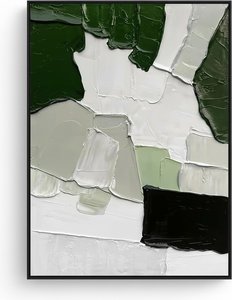 Handpainted Abstract Oil Canvas in Black Frame
Embrace Abstract Expressionism: A Handpainted Oil Canvas Masterpiece This striking oil canvas painting introduces a captivating abstract design to your living space. Layers of rich green hues – from deep forest shades to subtle olive and pale sage – ...
The efficacy of art as a corporate tool is deeply dependent on its integration with the physical and aesthetic environment. For the hotel director overseeing grand lobbies or private suites, the challenge lies in matching the artistic medium to the architectural soul of the property. Large-scale, multi-panel compositions can transform wide staircases or expansive corridors, creating a cohesive, modern architectural look that guides the eye through a space. One might consider the dramatic impact of a large-format mural or even a ceiling fresco, reminiscent of the Sistine Chapel, to recreate historical grandeur in a contemporary setting. Furthermore, the ability to "remix" art history allows for unparalleled customization. A brand may choose to present a modern photograph reimagined through the thick, impasto brushstrokes of Van Gogh, or perhaps a portrait transformed into a 17th-century masterpiece in the style of Rembrandt. This level of bespoke artistry ensures that the gift is not only a tribute to the recipient but also a seamless extension of the brand's unique aesthetic landscape.
The Craft of Excellence: Ensuring Longevity through Museum-Grade Reproductions and Bespoke Commissions
 Beyond Gifts: Personalized Art for Lasting Corporate Appreciation
The Problem with Traditional Corporate Gifts: Why They're Often Forgotten In today’s competitive business landscape, showing appreciation to clients and employees is more crucial than ever. However, the standard corporate gifts – pens, mugs, branded ...
In the pursuit of excellence, the technical integrity of the artwork is paramount. A luxury gift must be as durable as it is beautiful, standing the test of time much like the original masterpieces it honors. This is why the distinction between a mass-produced print and a handmade oil reproduction is so critical. A true masterpiece reproduction, hand-painted on 100% cotton canvas by artists trained in prestigious Fine Arts academies, offers a tactile depth—visible brushstrokes and a rich tonal range—that no digital print can replicate. The use of professional-grade materials, such as flexible gesso to prevent cracking and specific oils like safflower to ensure whites remain pristine, guarantees that the artwork will resist the yellowing and degradation common in lesser works. When presenting such a piece, one is offering an investment in longevity. Whether it is a custom commission that transforms a personal milestone into a painted legacy or a carefully selected classical reproduction, the commitment to museum-grade quality reflects a brand's dedication to perfection, ensuring that the gesture of appreciation remains vibrant for generations to come.