
The Silent Vocabulary: An Introduction to Iconography and Visual Metaphor
 The Language of the Canvas: A Connoisseur's Guide to Decoding Symbolic Art and Hidden Iconography
The Silent Vocabulary: An Introduction to Iconography and Visual Metaphor To the untrained eye, a painting may appear as a mere arrangement of pigment and light, a beautiful window into a distant era. Yet, for the true connoisseur, every brushstroke ...
To the untrained eye, a masterpiece may appear as a mere arrangement of pigment and light, a beautiful window into a distant era. Yet, for the true connoisseur, every brushstroke serves as a syllable in a profound, silent language. This is the realm of iconography—the study of symbols and images that convey complex theological, philosophical, or personal narratives without the need for written text. Throughout history, artists have utilized visual metaphors to bridge the gap between the tangible world and the intangible realm of human emotion and spiritual truth.
When we gaze upon a classical masterpiece, we are not merely observing a scene; we are participating in a sophisticated dialogue where a single wilted rose or a strategically placed skull can alter the entire meaning of the composition. This visual vocabulary allows an artist to communicate ideas that transcend linguistic barriers. Understanding this language requires more than just aesthetic appreciation; it demands an immersion into the cultural and historical context of the era in which the work was birthed. As we peel back these layers, we begin to see that the canvas is not a static object but a living vessel of human intellect and mystery.
Sacred Narratives: Decoding Religious Iconography and Divine Messengers
 Divine Messengers: A Curated Guide to the Iconography of Angel Gabriel in Art History
The Celestial Herald: Understanding the Iconography of Gabriel In the vast, silent corridors of art history, few figures command as much reverence and ethereal grace as the Archangel Gabriel. As the divine messenger tasked with bridging the gap betwe...
From the dawn of human consciousness, the impulse to represent the divine has manifested itself in art. Long before written languages codified belief systems, images served as potent vehicles for communicating with the unseen world. In the vast, silent corridors of art history, few figures command as much reverence as the Archangel Gabriel. To the discerning enthusiast, recognizing Gabriel is not merely about identifying a winged figure; it is about deciphering a complex language of sacred symbols designed to evoke awe and spiritual contemplation.
As religions evolved, so too did their visual languages. The purpose of sacred art was fundamentally devotional: to honor deities, secure blessings, and navigate the mysteries of life and death. In the Byzantine and Orthodox traditions, the production of icons became a specialized discipline, where every color and gesture held specific theological weight. To gaze upon a masterpiece of sacred art is to step beyond the veil of the mundane and enter a realm where the temporal meets the eternal. These works were rarely conceived as mere decorations; they were profound theological instruments designed to facilitate prayer and narrate the unutterable mysteries of faith.
The Symbolist Revolution: Rejecting Realism for Emotional Truth
--- title: Symbolism - The Metropolitan Museum of Art author: Nicole Myers url: https://www.metmuseum.org/essays/symbolism hostname: metmuseum.org description: Symbolist painters believed that art should reflect an emotion or idea rather than represe...
In the late 19th century, a profound shift occurred in the artistic landscape. The Symbolist movement emerged as a powerful reaction against the objective, quasi-scientific manner of Realism and Impressionism. While Naturalists sought to represent reality in its gritty particularity, Symbolist painters believed that art should reflect an emotion or an idea rather than simply replicate the natural world. This movement, which found its literary roots in the works of Charles Baudelaire and Stéphane Mallarmé, sought to represent absolute truths through metaphorical images.
The aesthetic was a synthesis of form and feeling, prioritizing the artist's inner subjectivity over the external landscape. For the Symbolists, reality was best expressed through suggestion rather than direct naming. They believed that the symbolic value of a work stemmed from the re-creation of emotional experiences in the viewer through carefully curated color, line, and composition. This era brought a renewed focus on spirituality, imagination, and dreams, allowing the canvas to become a stage for the subconscious mind, far removed from the rationalism and materialism of the industrial age.
Nature as Allegory: Interpreting Landscapes, Flora, and Celestial Bodies
 Visual metaphor
A visual metaphor is a metaphor the medium of which is visual. Like in any other metaphor, one part of it, usually named "source", applies to another part, usually named "target", and reconstructs it. The point is that the metaphorical application or...
The natural world has always served as the ultimate canvas for humanity's most primal aspirations. In many traditions, particularly within folk and mythic compositions, celestial bodies act as the primary protagonists of a cosmic drama. The sun often represents the vital, life-giving force of the present moment, while the moon may evoke the cyclical nature of time or the mysteries of the night. These celestial elements anchor figures within a divine hierarchy, providing a sense of scale to the human experience.
Beyond the heavens, the flora of the earth carries its own weight of meaning. A single flower can serve as an allegory for purity, mortality, or fleeting beauty. In landscape painting, even the weather and the terrain are rarely accidental; they are often used as visual metaphors to reflect the internal state of a character or the broader philosophical themes of the era. By understanding these natural allegories, the viewer can begin to read the landscape not just as scenery, but as a profound expression of the human condition.
The Connoisseur's Toolkit: How to Read Layers of Meaning in Masterpieces
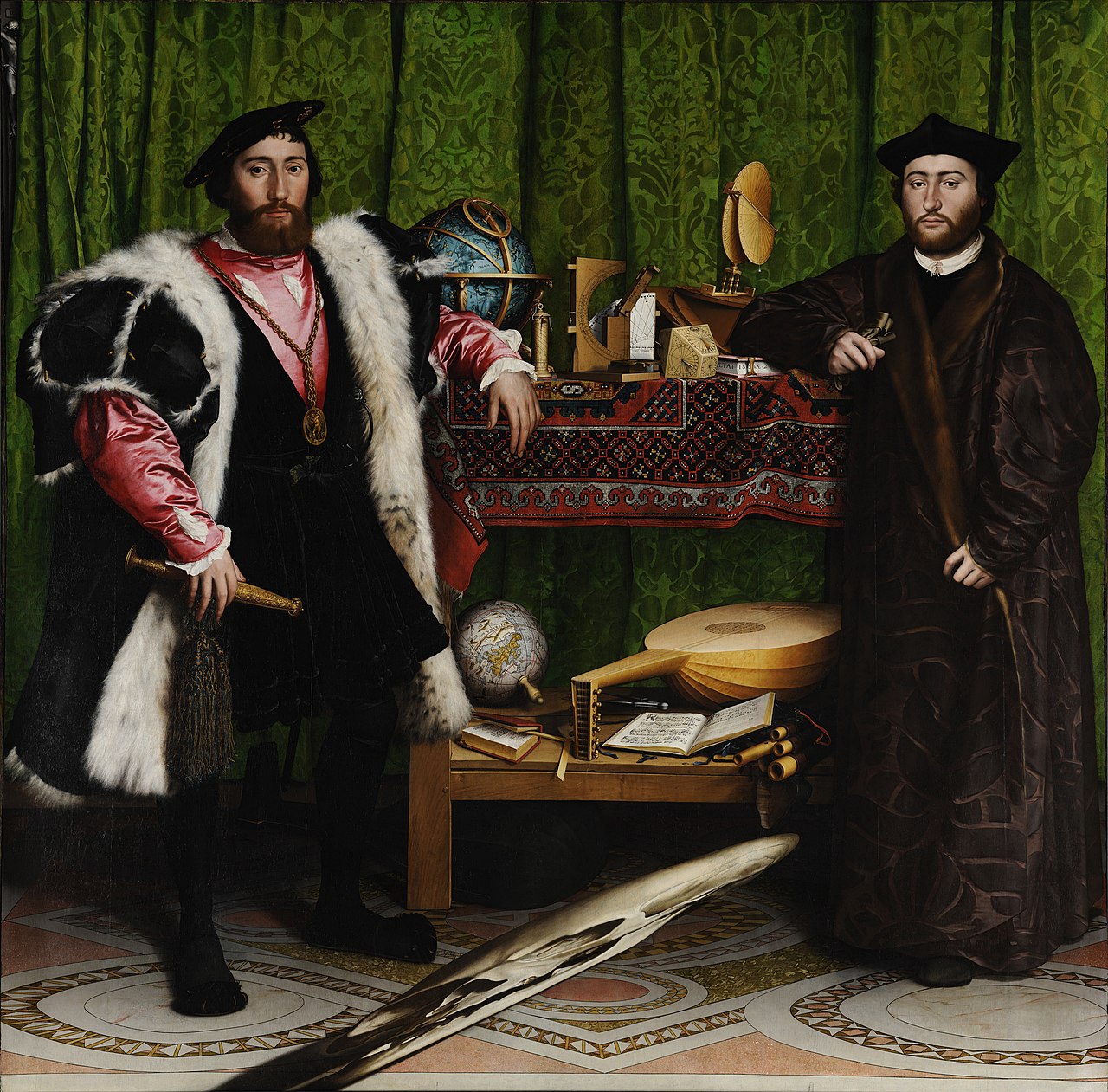 Iconography
Iconography, as a branch of art history, studies the identification, description and interpretation of the content of images: the subjects depicted, the particular compositions and details used to do so, and other elements that are distinct from arti...
Developing the ability to decode a painting requires a disciplined approach to observation. One must look beyond the surface beauty to identify the specific subjects, compositions, and details that constitute the work's iconography. This involves recognizing recurring motifs—such as the memento mori (reminders of death) or the use of light to denote divinity—and understanding how they interact with the overall style of the piece.
True mastery in art appreciation comes from the ability to synthesize these elements: the historical context, the artist's personal biography, and the technical execution. Whether it is the heavy impasto of a late 19th-century work or the delicate glazing of an Old Master, the technique itself often contributes to the symbolic weight of the piece. By approaching a painting with this toolkit, the viewer transforms from a passive observer into an active participant in the artist's eternal conversation.
At ArtsDot.com, we share this passion for the profound narratives held within the world's most canonical works. We specialize in providing high-quality, hand-painted oil reproductions of the masterpieces that have shaped human history. Our artists, all holders of prestigious Fine Arts degrees, meticulously recreate the texture, depth, and soul of these legendary paintings on 100% cotton canvas. Whether you seek to adorn your home with a breathtaking religious icon or a sweeping Symbolist landscape, our museum-grade reproductions allow you to bring the silent language of the masters into your own space.