


The Gastronomic Stage: Setting the Mood with Impressionist Light
 Beyond the Plate: How Impressionist Art Defines Restaurant Atmosphere and Storytelling
The Gastronomic Stage: Transforming Dining into an Immersive Experience The Gastronomic Stage: Interior Design as Narrative Framework in the Contemporary Restaurant Experience The Evolving Narrative: From Functional Space to Immersive Experience For ...
In the modern era of hospitality, a restaurant has transcended its original purpose as a mere place for sustenance; we have entered an age where the dining room serves as a stage, and every meal is a performance designed to resonate on a profound emotional level. For the discerning restaurateur, the challenge lies in moving beyond functional excellence to create a sanctuary of connection—a space where time slows down and guests are invited to linger within a carefully curated narrative. To achieve this level of immersion, one must consider the psychological impact of the surroundings, treating interior design as a framework for storytelling that uses every element of the room to evoke wonder.
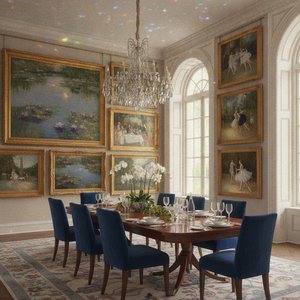
When we look toward the evolution of dining, we see that the most successful establishments are those that integrate fine art into the very fabric of their identity. By inviting the luminous spirit of history to participate in the conversation at the table, the boundary between the culinary and the visual dissolves. The Impressionist masters—Monet, Renoir, and Pissarro—were born from a desire to capture the fleeting, sensory essence of life, much like a chef seeks to capture the peak of a seasonal ingredient. Their works provide a soulful backdrop that stimulates the senses, transforming a standard meal into a curated event where the atmosphere is as much a part of the menu as the delicacies served upon the plate.
Appetizers of Color: Stimulating the Appetite through Luminous Palettes
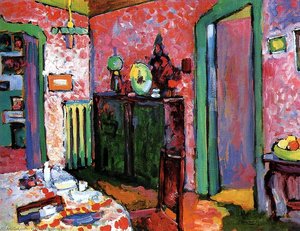 Interior (My dining room)
Vibrant Domestic Scene by Kandinsky Wassily Kandinsky's "Interior (My dining room)" is a captivating exploration of domestic life rendered through bold colors and dynamic brushwork. This post-impressionist masterpiece, created in 1909, invites viewer...
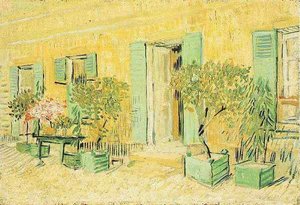
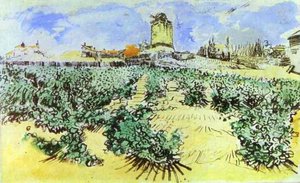
Just as a well-composed appetizer awakens the palate, the strategic use of color in art can stimulate the appetite and set the energetic tone of a dining space. The Impressionist and Post-Impressionist movements mastered the art of using light-drenched compositions to influence mood. Consider the transformative power of warm, saturated palettes; much like the inviting glow of a candlelit evening, deep reds, ochres, and golds can create an atmosphere of conviviality and warmth. This is beautifully exemplified in the works of Vincent van Gogh, where bold tones suggest a subtle sense of energy and life.
However, color theory in a dining environment is a delicate balance between stimulation and comfort. While vibrant hues can energize a bustling bistro, cooler blues and greens can offer a moment of quiet observation and repose in a more intimate fine-dining setting. By utilizing the prismatic palette of the Impressionists—where small, distinct dots or broken brushstrokes create an almost shimmering effect—a restaurateur can introduce a sense of movement and vitality to their walls. This visual rhythm prevents a room from feeling static, ensuring that the environment remains as dynamic and engaging as the flavors being presented to the guests.
The Main Course: Anchoring Your Dining Room with Masterpiece Scale
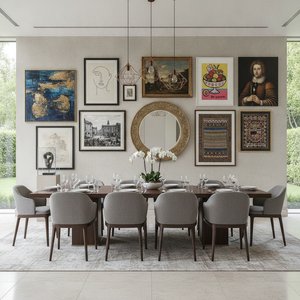 10 Iconic Masterpieces to Elevate Your Dining Room Decor
Introduction There is a certain magic that unfolds when we gather around a table, sharing not just a meal, but the warmth of conversation and the soft glow of shared moments. The dining room is the heart of the home, a sanctuary of connection where t...
Every great tasting menu requires a centerpiece, a main course that commands attention and provides the structural foundation for the entire experience. In the realm of interior curation, this role is fulfilled by the scale and compositional grandeur of a masterwork. Selecting art for a dining area is about finding that perfect tension between visual impact and atmospheric comfort. A large-format canvas, perhaps a multi-panel arrangement spanning a wide feature wall or a grand staircase, acts as an anchor, providing a focal point that sparks storytelling and deep enough depth to demand a second look between bites.
For those looking to create a truly architectural statement, the use of group set paintings—splitting a single iconic image across three, four, or even five panels—allows for a modern, cohesive look that integrates seamlessly with contemporary design. These expansive works do more than decorate; they define the boundaries of the room, creating a sense of prestige and timelessness. Whether it is a sweeping landscape that acts as a window into another era or a dramatic portrait that lends a sense of historical weight, the scale of the art must be considered in relation to the architecture of the space to ensure it supports, rather than overwhelative, the dining experience.
A Symphony of Texture: The Sensory Depth of Impasto and Brushwork
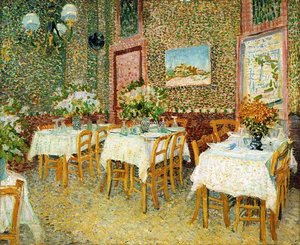 Interior of a Restaurant
Vincent van Gogh’s Intimate Glimpse: Exploring “Interior of a Restaurant” Vincent van Gogh's "Interior of a Restaurant," painted in 1887, isn’t merely a depiction of a dining room; it’s a vibrant snapshot of daily life filtered through the artist’s i...
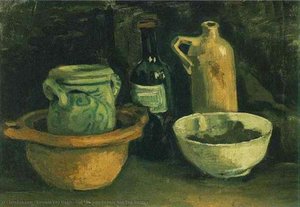
To truly elevate a dining room from a place of consumption to a place of sensory immersion, one must look beyond color and scale to the tactile soul of the artwork itself. There is a profound difference between the flat, sterile appearance of a digital print and the visceral, breathing quality of a hand-painted oil reproduction. The true magic of the Post-Impressionists lies in their technique—the thick, palpable layers of impasto that create a sense of movement and physical presence. When a guest can see the visible brushstrokes and the way the light catches the ridges of the paint, the artwork becomes a living entity within the room.
This tactile depth adds a layer of luxury and authenticity that resonates with the high-end culinary experience. The use of specialized oils, such as safflower for whites to prevent yellowing, and the final protective coat of Damar varnish, ensure that these textures remain vibrant for generations. This physical dimension of art mirrors the textures found in fine dining—the crunch of a crust, the silkiness of a sauce, the richness of a reduction. By surrounding guests with works that possess such material integrity, you reinforce the message of quality and craftsmanship that defines your establishment.
Pairing Art and Atmosphere: Curating a Cohesive Visual Menu
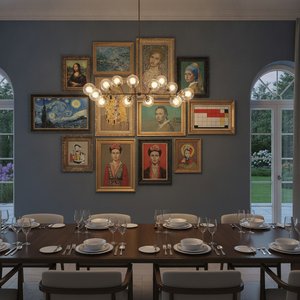 10 Iconic Masterpieces to Elevate Your Dining Room Decor
Introduction The dining room is more than just a place to refuel; it is the social heartbeat of the home, a stage for conversation, connection, and shared sensory experiences. When we curate the walls of this space, we aren't just decorating—we are s...
Curating a dining space is much like designing a wine list; it requires a thoughtful pairing of elements to ensure harmony. One must consider how the art interacts with the existing textures of the room, from the heavy linens of the tables to the polished wood of the furniture. A successful curation avoids the pitfall of mere decoration, instead seeking to create an atmosphere where the art and the environment are inextricably linked. This might involve matching the color palette of a painting to the upholstery of the seating, or using the light-drenched style of Monet to complement a room flooded with natural sunlight.
The goal is to achieve a sense of "visual tasting," where each element contributes to a unified sensory narrative. For the restaurateur, this means looking at the restaurant not as a collection of separate parts, but as a singular, immersive experience. Whether you are drawing inspiration from the electric energy of 20th-century movements or the deep, soulful textures of the masters, every choice should serve to deepen the emotional resonance of the gathering. When the art, the lighting, and the cuisine are in perfect alignment, the dining room becomes a sanctuary of connection where time seems to slow down.
Beyond the Canvas: Bespoke Commissions for the Discerning Restaurateur
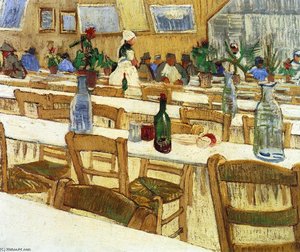 Interior of a Restaurant
A Captivating Glimpse into Parisian Life: Vincent van Gogh’s “Interior of a Restaurant” Vincent van Gogh's "Interior of a Restaurant," painted in 1887, isn’t merely a depiction of a bustling eatery; it’s a vibrant snapshot of everyday life imbued wit...
For the most ambitious hospitality projects, the ultimate luxury lies in the ability to "remix" history through bespoke commissions. The modern restaurateur is no longer limited to what is available in a catalog; they have the opportunity to commission works that are uniquely tailored to their brand's story. This could involve a "Period Shift," where a contemporary photograph of a local landmark is transformed into a masterpiece in the style of Van Gogh, or a custom portrait that integrates the restaurant's heritage into an Impressionist landscape.
At ArtsDot.com, we specialize in this level of personalized artistry. Our process allows for complete customization, from the initial digital mockup to the final hand-painted stroke on 100% cotton canvas. We understand that for a professional, precision is paramount; therefore, our Project Coordinators manage every detail, ensuring that the colors and compositions meet museum-grade standards. Whether it is a large-scale mural for a hotel lobby or a delicate custom piece for an intimate bistro, we provide the tools to turn your culinary vision into a permanent, visual legacy. For expert guidance on how to integrate these masterpieces into your specific space, we invite you to explore our professional art consultation services.