The Neuroaesthetics of Hospitality: Art as an Emotional Anchor
 Beyond Decor: Creating a Bespoke Impressionist Art Identity for Luxury Hotels & Galleries
The Neuroaesthetics of Hospitality: Art as an Emotional Anchor for the Modern Traveler Elevate Hospitality: How Curated Impressionist Art Creates Unforgettable Luxury Guest Experiences The Psychology of Place: Art as an Emotional Anchor for the Moder...
In the rarefied atmosphere of luxury hospitality, excellence has undergone a profound metamorphosis. For generations, the hallmark of a premier establishment was found in the predictable perfection of service and the opulent weight of fine linens. Yet, as we navigate an era of unprecedented accessibility to high-end amenities, the discerning traveler no longer seeks merely a sanctuary for rest; they seek a sanctuary for the soul. This shift has elevated the role of art from a secondary decorative element to a primary psychological anchor. When a guest enters a beautifully curated space, they are not simply entering a room, but an emotional ecosystem.
The science behind this connection lies in the neuroaesthetics of hospitality, where the encounter with well-encoded, well-chosen artwork triggers complex neurological responses. The modern hotel lobby is no longer a functional checkpoint for check-in; it is a curated sanctuary designed to trigger immediate emotional resonance. When a designer selects a piece that speaks to the soul, they are engaging in deep, visceral storytelling. Consider the quiet symphony of light and atmosphere found in Impressionist works; such pieces can transform a transient passageway into a moment of profound stillness, releasing dopamine and fostering an instant sense of connection between the traveler and the space. By engaging the neurological pathways associated with pleasure and memory, art acts as an anchor, grounding the traveler in a specific moment and location.
The Frame as Argument: Defining Architectural Boundaries with Precision
 Frames of Elegance: The Connoisseur's Guide to Selecting Perfect Frames for Luxury Interiors
The Silent Partner: Understanding the Frame's Role in Visual Narrative The Frame as Argument: An Expert Guide to Selecting the Perfect Frame for Your Masterpiece The Silent Partner: Understanding the Frame's Role in Visual Narrative The Frame as Argu...
To the casual observer, a frame may appear as nothing more than a functional boundary, a wooden perimeter designed to separate the vibrant world of the canvas from the static reality of the wall. Yet, for those who truly inhabit the space of visual culture, we understand that the frame is far more than a mere border; it is a silent partner in the profound dialogue between the artwork and the observer. It acts as a curated gateway, a threshold that prepares the mind for the emotional journey ahead. Throughout history, the frame has functioned as much more than a protective casing; it is an integral component of a work's narrative, providing the necessary punctuation to the artist's visual sentence.
When we contemplate a masterpiece, our perception is immediately shaped by this structural introduction. A heavy, gilded border can command a sense of reverence and historical weight, while a minimalist edge might invite a more contemporary, unmediated connection. This relationship is deeply psychological. Much like the concept of framing in social sciences—where we use mental filters to organize and interpret reality—the physical frame provides a cognitive structure for visual information. It tells us where the world of the painting ends and our own reality begins. By defining this limit, the frame focuses our attention, directing the gaze inward and preventing the eye from wandering into the periphery of the room. Figures such as William Charles Lebrocq understood that a frame is an essential, quiet space between the artwork and the world, acting as a silent architect for the viewer's gaze.
Curating the Impressionist Narrative: From Monet to Bespoke Hotel Identities
 Beyond Decoration: Bespoke Art Curation & Concierge Services for Luxury Hotels
The Neuroaesthetics of Hospitality: Engineering Emotional Resonance Through Masterworks Elevate Hospitality: Bespoke Art Curation & Custom Masterpiece Services for Luxury Hotels The Neuroaesthetics of Luxury: How Curated Masterpieces Drive Emotional ...
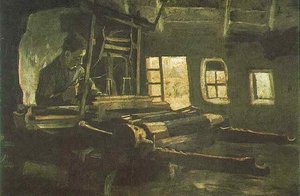
In the high-stakes arena of contemporary luxury hospitality, a guest's perception of prestige is forged within mere seconds of crossing the threshold. For the hotel designer, creating a bespoke identity requires moving beyond decoration toward true curation. This involves weaving a brand narrative through the lens of Impressionism—a movement defined by light, movement, and the ephemeral beauty of a single moment. By selecting works that echo the soft, luminous textures of Monet or the vibrant energy of Van Gogh, a designer can establish an atmosphere of timelessness and cultural sophistication.
The power of this curation lies in its ability to create a cohesive brand identity that feels both curated and effortless. It is about more than just aesthetics; it is about establishing a mood, a feeling, an identity. Consider the impact of a reproduction of an Impressionist landscape; beyond its technical brilliance, there lies a symbolic representation of tranquility and intellectual curiosity. When these works are thoughtfully placed within a contemporary hotel lobby, they subtly elevate the space, hinting at a deeper appreciation for history and art. This is the essence of bespoke curation: using the masters of the past to inform the luxury experiences of the present, ensuring that every corridor and lounge tells a story of elegance and refined taste.
Bespoke Presentation: Custom Sizing, Multi-Panel Trends, and Large-Scale Murals
 Tailored Masterpieces: The Designer's Guide to Custom Sizing & Bespoke Framing for Luxury Interiors
The Silent Partner: How Bespoke Framing Completes the Impressionist Narrative The Final Masterstroke: Elevate Your Custom Impressionist Painting with Premium Bespoke Framing The Silent Partner: How Bespoke Framing Completes the Impressionist Narrativ...
The architectural demands of modern hotel design often require a departure from standard dimensions. To truly transform a space, one must embrace the possibilities of bespoke presentation. The contemporary trend toward multi-panel layouts—splitting a single, breathtaking Impressionist scene across three, four, or even five panels—offers a way to command wide walls and grand staircases. These group set paintings allow for a seamless flow of color and brushstroke across large architectural planes, creating a modern, rhythmic aesthetic that feels integrated into the very structure of the building.
For even more ambitious interventions, the use of large-format murals and ceiling frescoes can redefine the volume of a room. These works, painted on massive canvas rolls, allow designers to recreate historical grandeur, such as the light-drenched ceilings of classical eras, within a contemporary context. Whether it is through the "MirrorWrap" technique that extends the painting around the edges for a frameless, immersive look, or the use of custom-sized commissions that fit perfectly into a specific alcove, the ability to manipulate scale and format is a vital tool in the designer's repertoire. This level of customization ensures that the art does not merely sit upon the wall but becomes an inseparable part of the architectural soul.
The Connoisseur’s Choice: Material Longevity and Museum-Grade Preservation
For any luxury installation, the longevity of the artwork is as critical as its initial aesthetic impact. A designer's vision must be supported by the chemistry of art—the meticulous selection of materials that ensure vibrancy for generations. True museum-grade presentation relies on the use of flexible gesso to prevent cracking and specific oils, such as safflower, for whites to prevent the dreaded yellowing of time. Every hand-painted oil reproduction should be finished with a protective coat of Damar varnish, shielding the surface from the dust, moisture, and atmospheric pollutants inherent in high-traffic hospitality environments.
To protect these significant investments, professional preservation techniques must be employed. This includes the use of acid-free matting to create an essential air gap between the print or painting and the glass, preventing moisture damage and ensuring pigments remain luminous. Furthermore, the structural integrity of the piece is paramount; using reinforced, braced stretcher bars prevents warping over time, while high-quality framing in solid wood—from gold leaf to deep espresso—provides a lasting, dignified boundary. When art is presented with such technical rigor, it ceases to be a transient decoration and becomes a permanent legacy of the establishment's commitment to excellence.
For professional designers seeking to elevate their projects through bespoke art curation, custom commissions, or large-scale architectural installations, ArtsDot.com offers unparalleled expertise in bringing the luminous world of Impressionism to the forefront of luxury hospitality.