


The Silent Dialogue: Where Perception Meets the Canvas
 Mind-Bending Masterpieces: A Visual Journey Through the World's Most Captivating Optical Illusion Artworks
The Art of Deception: An Introduction to Optical Illusions in Fine Art There exists a profound, almost magical moment in the presence of a true masterpiece when the eyes and the mind engage in a silent, beautiful conflict. This is the essence of opti...
The Art of Deception: Exploring the Tactile Magic of Trompe l'œil
 Beyond the Visible: A Curated Journey Through the Masterpieces of Illusion and Optical Wonder
The Art of Deception: Understanding Trompe l'oeil and the Mastery of Realism To gaze upon a true masterpiece of illusion is to enter into a silent, sophisticated dialogue with the artist, where the boundaries between the canvas and reality begin to d...
Luminous Illusions: Capturing Depth through the Impressionist Play of Light
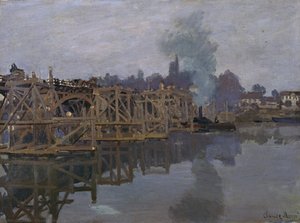
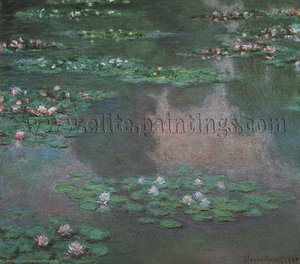
While some artists seek to deceive through literal representation, the masters of Impressionism—those luminaries like Monet, Renoir, and Pissarro—achieve a different, more ethereal kind of illusion. Theirs is not a trick of geometry, but a manipulation of atmosphere and light. They do not merely present an image; they orchestrate a sensory event. By capturing the fleeting, ephemeral qualities of sunlight as it dances upon water or filters through a canopy of trees, they create a sense of depth that feels infinitely more alive than a static photograph. In these works, the illusion lies in the way light and color are layered to suggest movement and air. Through the delicate application of paint, an Impressionist can make a heavy summer afternoon feel weightless or a misty morning appear thick with moisture. This is where the soul of ArtsDot.com resides—in the celebration of that luminous, soft-focus reality. When we recreate these works on our 100% cotton canvases, we ensure that the visible brushstrokes and the deep tonal range are preserved, allowing the light to breathe within the texture of the paint itself. It is an illusion of feeling, where the eye perceives not just a scene, but the very temperature and mood of a moment frozen in time.Rhythms of the Retina: The Optical Vibrancy of Pointillism and Beyond
 Beyond the Eye: Masterpieces That Redefine Visual Perception and the Art of Optical Illusion
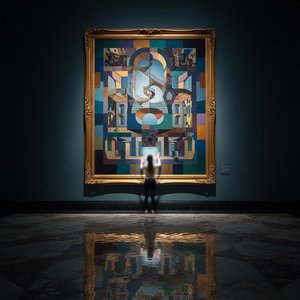
The Architecture of Illusion: How Op Art Challenges the Retinal Experience To gaze upon a true masterpiece of optical art is to enter into a silent dialogue with one's own biology. Unlike traditional representational art, which seeks to mirror the ex...
Curating Wonder: Selecting Perceptual Masterpieces for the Discerning Collector
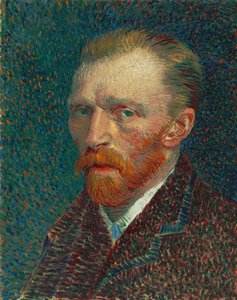
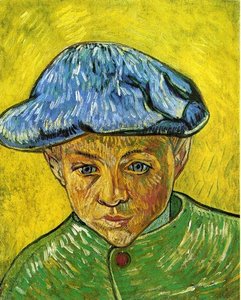
For the collector, acquiring art that plays with perception is an investment in a lifelong experience of discovery. A piece that challenges the eye ensures that your collection remains dynamic, offering new layers of meaning and visual surprise with every viewing. Whether you are drawn to the tactile deception of Trompe l'œil or the light-drenched atmospheres of the Impressionists, the key lies in the quality of the execution. At ArtsDot.com, we understand that for a masterpiece to truly captivate, it must possess physical depth. This is why we eschew computer printing in favor of hand-painted oil reproductions. A print may capture the color, but only the hand of an artist can capture the impasto—the raised, textured brushstrokes that catch the light and create true dimension. We invite you to explore our ability to "remix" history; perhaps you wish to see a cherished personal photograph transformed into a masterpiece in the vibrant, swirling style of Van Gogh, or a modern landscape reimagined with the soft, luminous touch of Monet. As you curate your space, consider the following elements of a truly exceptional acquisition:- The Tactile Element: Seek works where the texture of the paint contributes to the illusion of depth.
- The Mastery of Light: Look for pieces that utilize chiaroscuro or atmospheric perspective to create a sense of space.
- Customization and Connection: Consider commissioning a bespoke piece, such as a family portrait rendered in an Impressionist style, to bring a personal narrative into the realm of fine art.
To explore our curated collection of Impressionist masterpieces or to begin your own custom commission, visit us at ArtsDot.com.