
The Breath of Nature: Understanding the Essence of En Plein Air
 En plein air
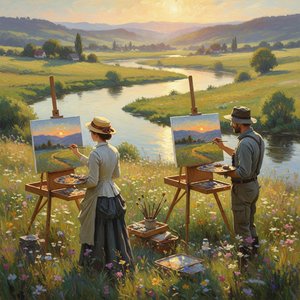
En plein air (pronounced [ɑ̃ plɛ.n‿ɛʁ]; French for 'outdoors'), or plein-air painting, is the act of painting outdoors. This method contrasts with studio painting or academic rules that might create a predetermined look. The theory of 'En plein air' ...
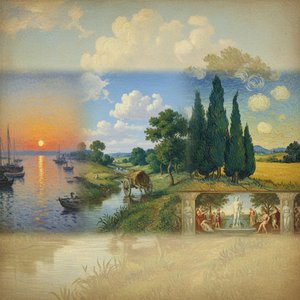
This revolutionary approach finds its theoretical roots in the writings of Pierre-Henri de Valenciennes, who, as early as 1800, championed the concept of "landscape portraiture." He urged artists to engage directly with nature, recording the subtle changes in weather and light in situ. To paint outdoors is to embrace the ephemeral; it is a commitment to chasing the sunlight before it shifts, capturing a moment that will never exist in exactly the same way again. It is this very pursuit of the transient that gives plein air works their incomparable vitality and breath.
Breaking the Studio Walls: The Revolutionary Shift Toward Direct Observation
 Capturing Ephemeral Light: Plein Air Painting from Impressionism to Today
The Genesis of 'En Plein Air': From Studio Tradition to Landscape Portraiture Wikipedia: En plein air En plein air (pronounced [ɑ̃ plɛ.n‿ɛʁ]; French for 'outdoors'), or plein-air painting, is the act of painting outdoors. This method contrasts with s...
The true revolution began with the Barbizon School in mid-19th century France, where artists like Charles-François Daubigny began to move away from academic rigidity toward a more sincere engagement with the landscape. This movement was significantly propelled by a wonderful stroke of practical genius: the invention of the collapsible metal paint tube in 1841 by John G. Rand. Before this, artists had to grind their own pigments and manage cumbersome materials, making true outdoor painting a logistical hardship. With portable tubes and easels, the studio walls finally crumbled, allowing painters to wander into forests and fields, bringing the vibrant, changing colors of the real world directly onto their canvases.
A Symphony of Light and Color: Capturing the Fleeting, Ephemeral Moment
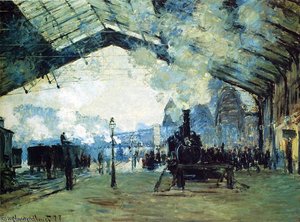 untitled (3317)
A Window into Transient Beauty: Exploring Claude Monet’s “Untitled (3317)” Claude Monet, a titan of Impressionism, didn't merely depict landscapes; he wrestled with capturing the elusive essence of light itself. His artistic vision wasn’t about preci...
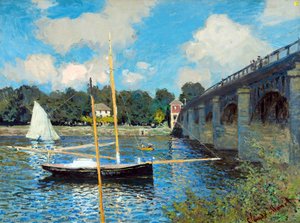
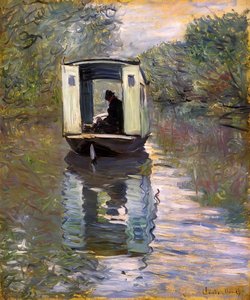
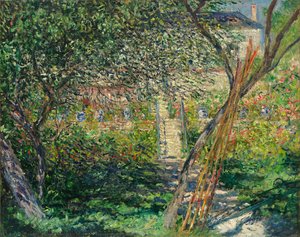
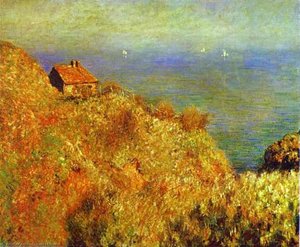
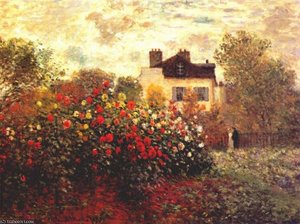
Consider Monet’s profound struggle to capture what he called the "elusive essence of light." In works such as Untitled (3317), we see him wrestling with the shimmering heat haze and the way sunlight filters through foliage. His technique was not about precise, photographic representation; it was about distilling a sensory experience—the way color dances and shifts as the sun moves across the sky. This focus on the subjective truth of light created an immediacy that continues to captivate us, inviting us to feel the warmth of a summer afternoon or the cool shadows of a twilight stroll.
Masters of the Sunlit Landscape: From Monet’s Giverny to American Horizons
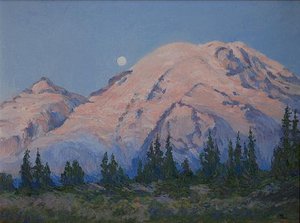 Moon Set and Sunrise Glow, (painting)
Discover Mary Agnes Yerkes’ "Moon Set & Sunrise Glow" – a romantic plein-air landscape of the American West. Oil on canvas, 1964. Explore Impressionistic beauty!
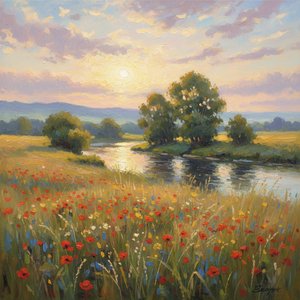
Similarly, the story of William Lamb Picknell illustrates the beautiful synthesis of academic training and plein air sensibility. Born in the Vermont countryside, his work reflects a life immersed in the atmospheric nuances of the landscape, blending rigorous technique with a deep, emotional response to nature. Whether it is the idyllic charm of a French village or the quiet majesty of a New England forest, these masters taught us that the landscape is not just a place, but a vessel for tranquility and emotional resonance. They showed us that by observing the small, fleeting details—a ripple in a pond, a patch of dappled light—we can touch something eternal.
Timeless Serenity: Inviting the Impressionist Glow into Your Own Home
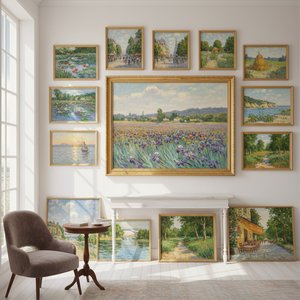 Impressionist Landscapes: 10 Masterpieces for Your Home | ArtsDot
Introduction Imagine stepping into a world bathed in dappled sunlight, where colors dance and shimmer with an ethereal quality. This is the realm of Impressionism – a revolutionary art movement that forever altered how we perceive light, color, and t...
Unlike mere prints, our works are meticulously crafted by hand on 100% cotton canvas, ensuring that the visible brushstrokes and rich, tactile textures—the very "soul" of Impressionism—are preserved for you to touch and admire. We invite you to explore the possibilities of artful customization:
- Remix History: You may request a personal photograph be transformed into the light-drenched style of Monet or the expressive, impasto textures of Van Gogh.
- Bespoke Commissions: Our artists specialize in turning your most precious memories—be it a wedding scene or a beloved pet portrait—into timeless masterpieces.
- Professional Excellence: Every piece is a labor of passion, created by artists with academic training and overseen by our dedicated Project Coordinators to ensure museum-grade quality.