
Introduction
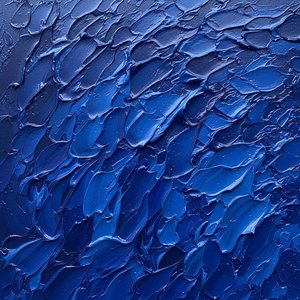
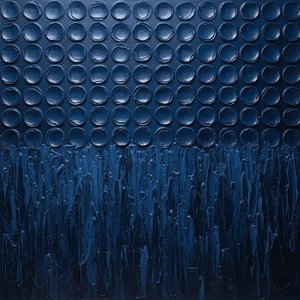
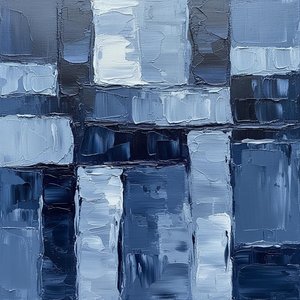
Close your eyes for a moment and imagine walking through a sun-drenched garden at dusk, where the world begins to dissolve into a single, breathtaking shade of violet, or standing before a quiet pond where every ripple is captured in a delicate, shimmering blue. There is a profound, almost spiritual intimacy in monochrome. It is not merely the absence of color, but rather the absolute devotion to it. When an artist chooses to limit their palette, they are not restricting themselves; they are inviting us to look deeper, to feel the weight of a shadow, the warmth of a glow, and the subtle vibrations of light that often go unnoticed in a riot of many hues.
Historically, the mastery of monochromatic intensity emerged as a powerful way for the great masters to explore the emotional architecture of a scene. Within the Impressionist and Post-Impressionist traditions, this technique allowed visionaries like Claude Monet or Camille Pissarro to capture the very essence of atmosphere—the way a morning mist clings to the haystacks or how a summer twilight settles over the Seine. By stripping away the distraction of competing colors, these artists focused our gaze on texture, tonal depth, and the pure, unadulterated movement of light across a canvas.
Today, these works remain deeply resonant because they speak to a universal human truth: that beauty often resides in simplicity. In our modern, visually crowded world, there is a restorative peace to be found in a single-toned masterpiece. These paintings offer us a sanctuary of focus, reminding us that intensity does not require complexity, and that a single, well-placed stroke of cobalt or ochre can stir the soul more deeply than a thousand different pigments.
As we wander through this curated selection, prepare to encounter ten extraordinary works that define the pinnacle of monochromatic brilliance. We will explore how these artists used varying intensities and delicate gradations to create worlds that feel both incredibly tactile and ethereally dreamlike. Let us step into the light—and the shadows—of these timeless treasures.
Guernica - Pablo Picasso
 Guernica - Pablo Picasso
In Guernica by Pablo Picasso, the absence of color is not a void, but a profound presence. The composition is a masterclass in structural tension, where sharp, angular lines and fragmented Cubist geometries collide to create an overwhelming sense of chaos. Yet, beneath this surface of upheaval, there is a hauntingly deliberate balance; the stark interplay of black, white, and grey creates a rhythmic, almost architectural stability that anchors the viewer amidst the carnage. This monochromatic intensity strips away all distractions, forcing us to confront the raw, visceral geometry of grief.
This structural harmony provides Guernica with its enduring appeal within our list of the Top 10 Artworks Celebrated for Their 'Monochromatic' Color Intensity . Much like the principles of modern minimalist design, Picasso’s use of a restricted palette and deconstructed forms achieves a powerful, grounded aesthetic. The painting does not merely depict tragedy; it uses its disciplined, achromatic weight to transform a moment of historical violence into a timeless, monumental icon of human resilience.
Night Watch - Rembrandt van Rijn
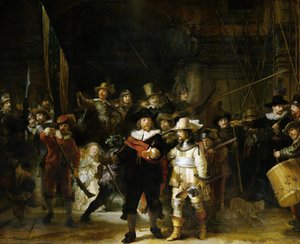 Night Watch - Rembrandt van Rijn
While our journey through the Impressionists often seeks the light of a midday sun, Rembrandt’s The Night Watch commands us to find beauty within the profound depths of shadow. This masterpiece stands as a cornerstone in our selection of artworks celebrated for their monochromatic color intensity, not because it lacks color, but because it masters the soul of the dark. Through his legendary use of chiaroscuro , Rembrandt weaves a tapestry of earthy ochres, deep blacks, and somber browns that feel almost tactile.
The painting transcends its 1642 origins as a civic portrait to become a universal study of human drama and movement. The way light pierces through the gloom to illuminate a single face or a glinting pike reminds us that even in the most shadowed moments, there is a focal point of brilliance. For the modern collector, integrating such a powerful, tonal work into a curated space offers more than mere decoration; it introduces a sense of historical gravity and theatrical elegance, inviting a timeless conversation between the shadows of the past and the light of the present.
The Girl with a Pearl Earring - Johannes Vermeer
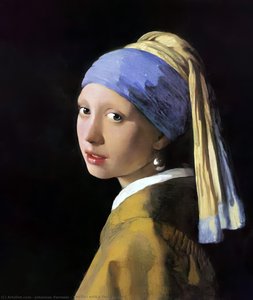 The Girl with a Pearl Earring - Johannes Vermeer
In the quietude of The Girl with a Pearl Earring , Johannes Vermeer orchestrates a breathtaking dance of light and shadow that defines the very essence of monochromatic intensity. While the palette is deceptively restrained, the true drama lies in his masterful use of chiaroscuro . A singular, soft light source emerges from the darkness, illuminating the subject’s luminous skin and catching the singular, brilliant glint of the pearl. This interplay between the deep, velvety blacks of the background and the radiant highlights creates a profound sense of three-dimensional presence.
Vermeer’s command of illumination does more than capture a moment; it breathes life into the void, securing this work's place among the world's most celebrated masterpieces. The way the light dissolves edges and softens the blue of her turban invites a meditative, sensory experience. When brought into a contemporary home through a hand-painted oil reproduction, this sophisticated use of shadow adds an incomparable layer of depth and quiet luxury to any wall, transforming a simple space into a sanctuary of timeless elegance.
The Calling of Saint Matthew - Caravaggio
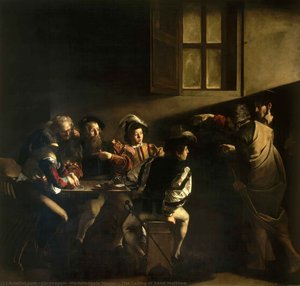 The Calling of Saint Matthew - Caravaggio
In the shadows of Caravaggio’s The Calling of Saint Matthew , the lines aren’t merely drawn; they are choreographed . This is not a static composition; it is a dance frozen in time , where the heavy, monochromatic depths of umber and obsidian collide with a singular, piercing beam of light. Within this masterpiece, the darkness does not just exist—it breathes, pressing against the figures with a weight that feels almost tactile.
Caravaggio utilizes tenebrism to transform a simple tavern scene into a profound spiritual encounter. The intense, low-key palette focuses our gaze entirely on the sudden flicker of revelation: the way light catches a startled hand or a furrowed brow. It is a study in emotional gravity, where the absence of color allows the presence of soul to shine through. What if your own walls could hold this same balance? What if your living room could breathe rhythm , capturing that breathtaking moment where shadow meets grace?
Arrangement in Grey and Black. Portrait of the Painter's Mother - James Abbott McNeill Whistler
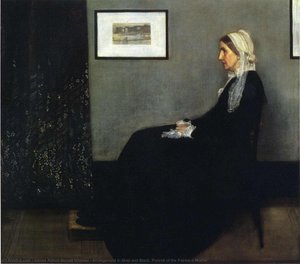 Arrangement in Grey and Black. Portrait of the Painter's Mother - James Abbott McNeill Whistler
In the quietude of a single, somber shadow, one finds the soul of Arrangement in Grey and Black: Portrait of the Painter's Mother by James Abbott McNeill Whistler. At ArtsDot.com, we believe that true beauty should be accessible to every heart, allowing the profound stillness of the masters to reside within your own walls. This masterpiece earns its place in our selection of monochromatic wonders not merely for its lack of color, but for its incredible depth of feeling. Whistler moved beyond mere portraiture, using a disciplined palette of blacks, whites, and subtle greys to compose a visual poem of dignity and restraint.
The painting is an essential study in Tonalism, where the interplay of light and dark creates a rhythmic, geometric harmony that transcends time. It serves as a timeless reminder that strength often resides in silence. Today, this evocative aesthetic offers a sophisticated anchor for modern interiors, bringing a sense of contemplative peace to any space. Through our meticulous, hand-painted oil reproductions, you can invite this transformative presence into your home or personal gallery, capturing the very essence of Whistler’s enduring legacy.
Liberty Leading the People - Eugène Delacroix
 Liberty Leading the People - Eugène Delacroix
To stand before Liberty Leading the People is to feel the very heartbeat of revolution, a moment where history breathes through the heavy, smoke-filled air of Paris. While Delacroix is a master of drama, this work earns its place among our selection for its profound monochromatic intensity ; the canvas is anchored by a somber, earthy palette of deep browns, charcoal grays, and muted shadows that seem to pulse with the grit of the barricades.
This tonal depth creates a breathtaking stage for the sudden, visceral strikes of color—the stark, defiant red of the tricolor flag and the piercing blues that emerge from the gloom. It is this controlled use of light and shadow, this chiaroscuro effect, that elevates the painting from a mere historical record to an eternal symbol of human spirit. At ArtsDot.com, we strive to preserve this atmospheric weight. Our hand-painted oil reproductions capture every textured brushstroke and tonal nuance, allowing you to bring the raw, emotional resonance of Delacroix’s masterpiece into your own sanctuary, preserving the soul of the Romantic movement for generations.
Portrait of Giovanni Arnolfini and his Wife - Jan van Eyck
 Portrait of Giovanni Arnolfini and his Wife - Jan van Eyck
While we often seek the vibrant, sun-drenched palettes of the Impressionists, Jan van Eyck’s Portrait of Giovanni Arnolfini and his Wife commands attention through a different kind of intensity: a deep, monochromatic gravity. In this masterpiece, color is not merely applied; it is choreographed through layers of translucent glazes that create a somber, tonal richness. The heavy greens and shadowed ochres do not shout; instead, they whisper of wealth, stability, and a quiet, enduring devotion.
To gaze upon this work is to witness a dance frozen in time , where the light does not bounce off the surface but seems to emerge from within the very fibers of the velvet and fur. The intensity here lies in the tonal depth—the way a single, dark hue can hold infinite complexity. It invites us to consider how such profound, concentrated color can transform a space. What if your own walls could breathe rhythm through this same controlled, atmospheric elegance? This painting proves that true intensity is found not in a spectrum of light, but in the soulful depth of a single, perfectly mastered tone.
Creation of Adam - Michelangelo Buonarroti
 Creation of Adam - Michelangelo Buonarroti
To stand beneath the Sistine ceiling is to witness a moment where the heavens and earth nearly touch. While we often seek the soft, dappled light of Impressionism, there is an undeniable, singular power in the sculptural intensity found in Creation of Adam by Michelangelo Buonarroti . This masterpiece earns its place among the most celebrated works for its profound use of tonal depth and a palette that, while rich, relies on a concentrated, almost monochromatic strength of earth-based pigments to define form.
Michelangelo utilizes the fresco technique to sculpt with light; the muscular anatomy of Adam emerges from the plaster with a weight that feels tactile, almost marble-like. The composition is anchored by a dramatic interplay of shadows and highlights, where the subtle variations of ochre, sienna, and deep terracotta create a sense of monumental volume. It is not merely a biblical scene, but a study in tension—the electric space between two fingers charged with the divine spark. Even centuries later, this work reminds us how concentrated color and masterful disegno can transform a space into a sanctuary of human emotion.
The Blue Boy (Jonathan Buttall) - Thomas Gainsborough
 The Blue Boy (Jonathan Buttall) - Thomas Gainsborough
There is a profound, quiet magic in the way Thomas Gainsborough captures a single, breathless moment of youthful elegance. In The Blue Boy , we are not merely looking at a portrait; we are enveloped by a singular, rhythmic intensity of color. It earns its place among the most celebrated works for its monochromatic brilliance, where the shimmering, luminous blues of the silk attire command the eye, creating a visual symphony that feels both regal and deeply intimate.
Gainsborough’s mastery lies in his ability to use a concentrated palette to evoke emotion—the cool, saturated tones of the boy's satin jacket contrasting against a moody, atmospheric landscape. This focus on tonal depth creates a sense of timelessness that transcends the 18th century. At ArtsDot.com, we strive to preserve this very soul. Our hand-painted oil reproductions honor every fluid brushstroke and the rich, tactile impasto of the original, allowing you to invite this exquisite, blue-drenched serenity into your own sanctuary, capturing the light and emotion of a masterpiece forever.
Narcissus - Caravaggio
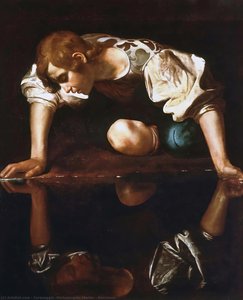 Narcissus - Caravaggio
In Caravaggio’s Narcissus , the concept of monochromatic intensity is redefined through the breathtaking mastery of tenebrism . Rather than a simple lack of color, the painting achieves a profound emotional weight through a restricted, somber palette of deep ochres, earthy browns, and midnight shadows. The light does not merely illuminate; it carves Narcissus out of an infinite, velvety darkness, focusing our gaze on the tragic intersection of youthful beauty and self-destruction.
This dramatic use of chiaroscuro creates a sculptural depth that has secured its place among the world's most celebrated works. The stark contrast between the luminous skin tones and the enveloping gloom directs the viewer into the very heart of the myth, making the psychological isolation feel almost tactile. When brought into a contemporary home as a hand-painted oil reproduction, this interplay of light and shadow offers more than just decoration; it introduces a sophisticated, cinematic atmosphere. The heavy, textured brushstrokes of a master-level recreation allow these monochromatic depths to breathe, adding a layer of timeless luxury and soulful introspection to any modern gallery wall.
Conclusion
As the light fades on our journey through these singular, monochromatic worlds, we are reminded that a painting is never truly finished once the artist lays down their brush. These masterpieces do not merely exist within the silent halls of museums; they breathe alongside us, casting long, emotive shadows across our modern lives. To sit before a canvas drenched in a single, profound hue is to enter a sanctuary of stillness, where the noise of the world dissolves into a rhythmic pulse of color and emotion. Whether it is the melancholic depth of a twilight blue or the sun-drenched warmth of a golden ochre, these works possess a quiet power to transform a mere room into a space of reflection, turning our homes into galleries of the soul.
The beauty of these monochromatic wonders lies in their ability to echo the eternal dialogue between art and our everyday existence. They teach us to find complexity in simplicity and to recognize that a single tone can hold an entire universe of feeling. As you seek to bring this same evocative intensity into your own sanctuary, we invite you to wander through our full collection , where each hand-painted stroke serves as a bridge between the historical masters and the quiet, beautiful moments of your contemporary life. May these colors continue to inspire your heart, much like the soft, lingering glow of an Impressionist sunset.