

The Convergence of High and Low: Defining the Pop Art Revolution
 Pop Culture Meets Fine Art: Transform Modern Icons into Timeless Oil Masterpieces
The Convergence of High and Low: Defining the Pop Art Revolution Pop icon A pop icon is a celebrity, character, or object whose exposure in popular culture is regarded as constituting a defining characteristic of a given society or era. The usage of ...
To understand the seismic shift that redefined the twentieth century, one must look beyond the gilded frames of traditional galleries and toward the vibrant, pulsating energy of the street. The birth of Pop Art represented a profound dissolution of the boundaries between high culture and the everyday pulse of modern life. It was a movement that dared to suggest that a soup can, a comic strip, or a silver-screen deity possessed as much semiotic weight as a Renaissance Madonna. This era challenged the heavy, emotional introspection of Abstract Expressionism, replacing it with a crisp, calculated precision that found profound meaning in the most commonplace fragments of our visual landscape.
At its core, this revolution was about the democratization of iconography. The term icon, once reserved for religious figures or historic titans, began to find new life in the secular celebrity culture of the modern age. This convergence created a dialogue where the museum masterpiece and the Sunday morning comic strip could finally meet on equal footing, forever altering our perception of what constitutes fine art. It was an era that embraced ubiquity, turning the ephemeral imagery of mass media into something permanent, iconic, and deeply thought-provoking.
From Screen to Canvas: The Enduring Legacy of Warhol and Lichtenstein
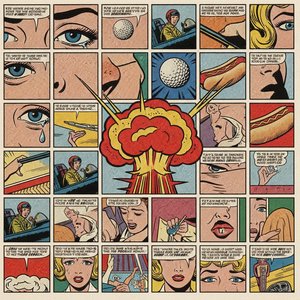 25 Iconic Roy Lichtenstein Masterpieces That Defined Pop Art
Introduction To step into the world of Roy Lichtenstein is to enter a vibrant, pulsating dialogue between high culture and the everyday pulse of the street. Imagine walking through a gallery where the boundaries between a museum masterpiece and a Sun...
Step into the world of Andy Warhol, and you enter a vibrant, neon-soaked kaleidoscope where the boundaries between high culture and everyday life dissolve entirely. His work does not merely sit on a canvas; it pulses with the rhythmic energy of an era defined by mass production and celebrity obsession. Warhol transformed his background in commercial illustration into a revolutionary philosophy, looking at the mundane—a soda bottle or a movie star's face—and seeing something monumental. Through the pioneering use of silkscreen printing, he embraced the mechanical and the repetitive, mirroring the very consumer culture he sought to document.
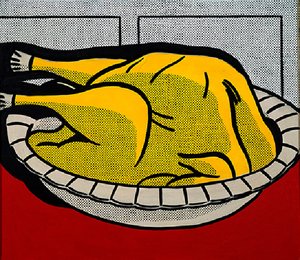
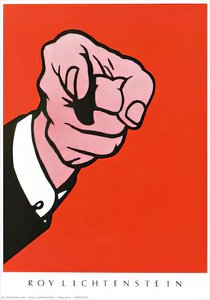
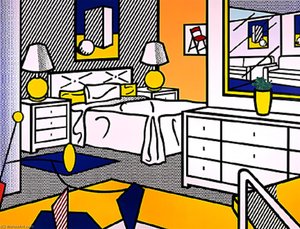
In a similar vein, the work of Roy Lichtenstein invites us into a pulsating dialogue between high culture and the everyday pulse of the street. Imagine a gallery where the boundaries between a museum masterpiece and a comic strip vanish. Here, the heavy brushstrokes of previous generations are replaced by the crisp, calculated precision of Ben-Day dots and bold, primary colors. Lichtenstein interrogated the fabric of post-war consumerism, elevating the aesthetics of advertising and industrial printing to the status of fine art. His ability to freeze a moment of melodrama or a burst of graphic energy allows us to examine our relationship with media through a lens of sophisticated irony.
The Alchemy of Texture: Elevating Graphic Icons through Oil Painting
 Oil painting
Oil painting is a painting method involving the procedure of painting with pigments combined with a drying oil as the binder. It has been the most common technique for artistic painting on canvas, wood panel, or copper for several centuries. The adva...
While the origins of Pop Art lie in the flat, mechanical aesthetics of print and screen, there exists a profound beauty in translating these graphic symbols into the medium of oil on canvas. The transition from a two-dimensional print to a hand-painted oil reproduction introduces a tactile depth that a digital image simply cannot replicate. When an artist applies pigment to 100% cotton canvas, they introduce the element of impasto—visible brushstrokes and physical texture that catch the light and create a sense of movement. This process breathes life into the rigid lines of pop iconography, adding a soulful dimension to the subject.
The advantages of oil painting for these modern subjects are found in its incredible range of color and light. Using traditional techniques, master painters can achieve a richer, denser color palette than any poster or print could offer. The use of layers allows for a luminous quality, where shadows possess depth and highlights appear to glow from within. Furthermore, the addition of an optional Aged & Cracked (craquelure) finish can lend a sense of historical weight to even the most modern subject, creating a fascinating tension between the contemporary icon and the venerable traditions of the Old Masters.
Modernizing the Masterpiece: Custom Commissions and Period Shifts
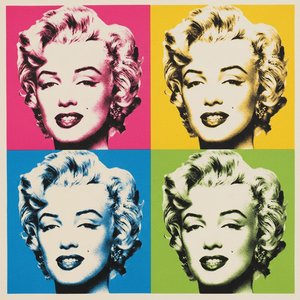 Chromatic Echoes of an Icon: A Quadriptych of Rhythmic Pop Art Brilliance
A Symphony of Color and Iconography In the vibrant intersection where celebrity culture meets graphic mastery, Chromatic Echoes of an Icon: A Quadriptych of Rhythmic Pop Art Brilliance emerges as a breathtaking exploration of modern fame. This extrao...
One of the most captivating frontiers in contemporary collecting is the ability to "remix" art history. The concept of the Period Shift allows a collector to transcend time, transforming a modern digital photograph or a personal selfie into a masterpiece reminiscent of the 17th century. Imagine the striking visual impact of seeing a contemporary celebrity rendered with the dramatic chiaroscuro and emotional gravity of a Rembrandt portrait, or a modern landscape reimagined through the light-drenched, impressionistic lens of Monet.
This level of customization extends to the very essence of the image itself. Through professional digital mockup services, the uncertainty of a commission is removed, allowing for unlimited revisions of color and composition before a single drop of oil touches the canvas. This service is particularly essential for complex group portraits, where elements from different photographs can be seamlessly integrated into a single, cohesive historical scene. It is an invitation to participate in the creative process, ensuring that the final work is not just a reproduction, but a personalized piece of fine art tailored to the collector's unique vision.
Curating the Contemporary Space: Integrating Pop Iconography into Luxury Interiors
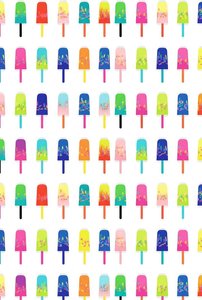 Chromatic Rhythms in a Symmetrical Grid of Vibrant Pop Art Icons
A Symphony of Color and Order Chromatic Rhythms in a Symmetrical Grid of Vibrant Pop Art Icons is a breathtaking exploration of modern graphic harmony. This piece presents a meticulously structured tessellation of stylized icons, arranged in a rhythm...
For the discerning interior designer or homeowner, integrating pop-inspired fine art requires a balance of boldness and elegance. The modern trend of Multi-Panel Group Set Paintings offers a sophisticated way to command attention on wide walls or grand staircases. By splitting a vibrant, colorful icon across three, four, or even five panels, the artwork becomes an architectural element, creating a rhythmic, non-hierelarchical grid that dances with energy while maintaining geometric stability.
When selecting pieces for a luxury space, consider the interplay of color and form. A high-saturation palette inspired by CMYK primaries—vivid cyan, electric magenta, and sunny yellow—can serve as a breathtaking focal point against a minimalist backdrop. The goal is to achieve a state of perfect equilibrium, where the playful essence of Pop Art meets the serene atmosphere of a curated home. Whether through large-format murals that recreate historical grandeur or bespoke oil portraits that celebrate modern identity, art serves as the heartbeat of an interior, turning a house into a gallery of personal history.
The Future of Heritage: Merging Digital Inspiration with Academic Craftsmanship
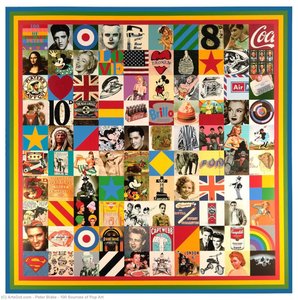 100 Sources of Pop Art
Explore Peter Blake’s ‘100 Sources of Pop Art,’ a vibrant digital collage bursting with mid-century icons! A unique Pop Art piece, perfect for collectors seeking nostalgic visual overload.
As we navigate an era defined by digital screens and rapid-fire imagery, the intersection of technology and traditional craftsmanship has never been more vital. We are witnessing a fascinating moment where AI tools can reconstruct photos into Cubist or Surrealist styles, providing a digital blueprint that can then be realized by human hands. This synergy allows for a new form of creation: once an artist's vision is perfected through digital exploration, a master painter can execute that vision on canvas with the precision and passion of academic excellence.
The true value of this movement lies in its permanence. While the digital world is ephemeral, a hand-painted oil work—protected by layers of Damar varnish and prepared with high-quality gesso—is designed to endure for generations. At ArtsDot.com, we celebrate this legacy of craftsmanship. We bridge the gap between the fleeting pulse of pop culture and the enduring prestige of fine art, offering a global marketplace where collectors can acquire everything from hand-painted oil reproductions to museum-quality prints. Our commitment to authenticity, from our highly selective artist academy to our seamless global logistics, ensures that every piece we provide is not merely a decoration, but a lasting investment in the beauty of human creativity.