
The Sensory Symphony: Integrating Fine Art into the Oenological Experience
 Cultivating Ambiance: A Curatorial Guide to Art Selection for Wine Cellars and Tasting Rooms – Enhancing Oenological Experience Through Landscape, Symbolism, and Interior Harmony
The Sensory Symphony: Art's Role in Elevating the Oenological Experience Wikipedia: Government Wine Cellar The Government Wine Cellar (GWC) is a provider of wine to support the hospitality work of the United Kingdom's government. It was founded in 19...
To truly appreciate a vintage of profound complexity, one must engage far more than the palate. The art of oenology is a holistic endeavor, a sensory symphony where the scent of aged oak and the velvet texture of tannins find their visual counterparts on the surrounding walls. For the restaurateur, a wine cellar or tasting room is not merely a storage facility or a functional space; it is a sanctuary of connection. When we introduce fine art into these intimate environments, we elevate a simple tasting into a profound cultural event. The presence of a masterwork—perhaps a soft, light-drenched Impressionist piece—acts as a silent storyteller, deepening the resonance of each sip by providing a visual language that mirrors the complexity of the wine itself.
The integration of art serves to bridge the gap between the liquid in the glass and the history of the craft. Just as a great Bordeaux carries the weight of its lineage, a thoughtfully curated painting brings a sense of permanence and prestige to a room. This synergy creates an atmosphere conducive to contemplation, allowing guests to linger amidst the echoes of history. By treating the walls of a tasting room with the same reverence one accords to a rare vintage, the proprietor transforms a commercial space into a private gallery of emotion and taste.
Terroir on Canvas: Using Landscape Masterpieces to Evoke Origin and Heritage
 The Red Vineyard
The Red Vineyards near Arles is an oil painting by the Dutch painter Vincent van Gogh, executed on a privately primed Toile de 30 piece of burlap in early November 1888. It depicts workers in a vineyard, and it is the only painting known by name that...
The concept of terroir—the unique marriage of soil, climate, and topography—is the very soul of winemaking. To celebrate this essence, nothing is more potent than landscape painting. When a guest enters a cellar adorned with works that depict sun-drenched vineyards or rolling hills, they are visually transported to the source of the fruit. Consider the evocative power of Vincent van Gogh’s The Red Vineyard; its vibrant, textured depiction of workers amidst the vines serves as a visceral connection to the labor and earth inherent in every bottle. Such works do not merely decorate; they anchor the present indulgence within a rich, agricultural lineage.
Landscape art allows a tasting room to transcend its physical boundaries. Through the use of pastoral scenes or maritime vistas, the walls become windows into other eras and geographies. This visual connection to the land reinforces the authenticity of the wine collection, suggesting that the bottles held within are part of a much larger, eternal cycle of nature. Whether it is the rhythmic energy of a sunlit meadow or the quiet dignity of an old estate, these landscapes provide a soulful backdrop that stimulates the appetite for beauty and discovery.
Atmospheric Curation: Selecting Color Palettes and Textures for Intimate Tasting Rooms
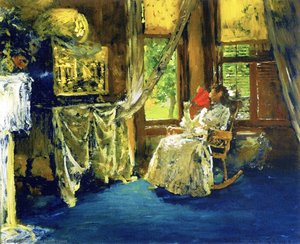
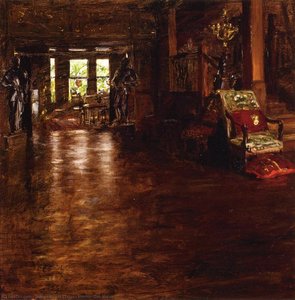 Interior, Oak Manor
William Merritt Chase’s ‘Interior, Oak Manor’: A Window into American Impressionism William Merritt Chase's Interior, Oak Manor (1899) is more than just a depiction of a domestic scene; it’s a carefully constructed evocation of comfort, light, and th...
Curating the atmosphere of a tasting room requires a delicate balance between visual impact and atmospheric comfort. The selection of art must consider the interplay of light, shadow, and color to create a space that feels both prestigious and inviting. For intimate, candlelit settings, one might look toward the dramatic chiaroscuro of the Baroque era, where deep shadows and brilliant highlights add a sense of mystery and intimacy to the room. Conversely, for brighter, more modern tasting lounges, the luminous, dappled light found in the works of Claude Monet or Pierre-Auguste Renoir can breathe life and movement into the space.
Texture plays an equally vital role in this sensory equation. The tactile depth of a hand-painted oil reproduction, with its visible, impasto brushstrokes, offers a richness that flat prints simply cannot replicate. These physical ridges of paint catch the light, creating a dynamic surface that changes as the viewer moves through the room. When paired with warm earth tones—ochres, deep reds, and burnt umbrance—the art can anchor a room, providing a focal point that sparks conversation and encourages guests to explore the nuances of both the canvas and the cork.
Architectural Grandeur: Large-Format Murals and Multi-Panel Compositions for Cellar Walls
In the grand architecture of luxury cellars, standard-sized frames often fail to command the necessary presence. To truly transform expansive stone walls or long corridors, one must embrace the scale of the space. The modern trend of multi-panel compositions—splitting a single masterpiece across three, four, or even five canvases—offers a sophisticated way to decorate wide architectural features like staircases or grand tasting halls. This technique creates a rhythmic, contemporary aesthetic while maintaining the cohesive flow of the original imagery, allowing the art to breathe within the architecture.
For even more ambitious designs, large-format murals and frescoes offer an unparalleled opportunity for customization. Imagine a ceiling transformed into a celestial vision or a wall that appears to open into a Renaissance courtyard. These monumental works, painted on massive canvas rolls, allow restaurateurs to recreate historical grandeur on a scale that defines the entire establishment. Such architectural art does not merely sit upon the wall; it becomes part of the structure itself, enveloping the guest in a curated world of unparalleled luxury.
The Art of the Encounter: Creating Conversation Starters through Historical Masterworks
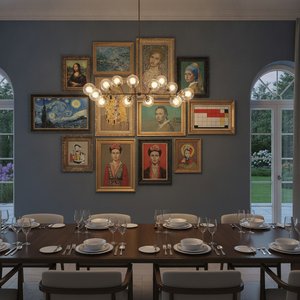 10 Iconic Masterpieces to Elevate Your Dining Room Decor
Introduction The dining room is more than just a place to refuel; it is the social heartbeat of the home, a stage for conversation, connection, and shared sensory experiences. When we curate the walls of this space, we aren't just decorating—we are s...
A truly exceptional tasting room functions as a stage for social connection. The art selected for this stage should act as a catalyst for dialogue, providing guests with a shared subject of intellectual curiosity. A piece that demands a second look—perhaps a complex 20th-century abstraction or a meticulously detailed portrait—invites the observer to pause and reflect between bites and sips. When a room is framed by the electric energy of modernism or the quiet elegance of the Old Masters, it provides a rich tapestry of themes for guests to unravel.
This engagement extends beyond mere observation; it becomes part of the hospitality experience. A well-placed masterpiece can spark stories of travel, history, and personal passion, much like a rare vintage. By curating a collection that includes diverse styles—from the bold, graphic punch of Pop Art to the soft, nostalgic beauty of American Impressionism—the proprietor ensures that every guest finds a point of resonance, turning a standard visit into a memorable cultural encounter.
Preserving the Legacy: Technical Considerations for Art Longevity in Temperature-Controlled Environments
While the aesthetic allure of art is paramount, the technical realities of a wine cellar demand careful consideration. These environments are often characterized by controlled humidity and specific temperature ranges to protect precious vintages. To ensure that your investment remains as vibrant as the day it was installed, the chemistry of the artwork must be robust. High-quality oil reproductions, finished with protective layers such as Damar varnish, are specifically designed to withstand atmospheric fluctuations, protecting the pigments from dust, moisture, and pollutants.
Furthermore, the structural integrity of the art is essential for long-term preservation. Using flexible gesso to prevent cracking and specialized oils to prevent yellowing ensures that the colors remain true for generations. For the professional restaurateur, selecting works that are engineered for longevity—with braced stretcher bars to prevent warping and archival-quality materials—is a vital component of maintaining the prestige of the establishment. In this way, the art becomes a lasting legacy, as enduring as the finest wines in the cellar.
About ArtsDot.com
ArtsDot.com is the global flagship for premium, hand-painted reproductions and bespoke art services. We specialize in transforming historical masterpieces and personal memories into museum-quality oil paintings on 100% cotton canvas. From large-scale architectural murals to custom "photo-to-masterpiece" commissions, our academy-trained artists bring unparalleled craftsmanship to every project. We provide a full-service experience for hospitality professionals and collectors alike, including professional digital mockups, custom framing, and global logistics with guaranteed satisfaction. Discover the intersection of heritage and innovation at ArtsDot.com.