
Introduction
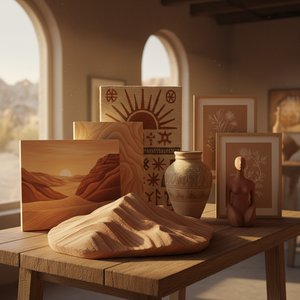
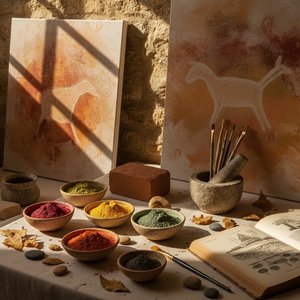
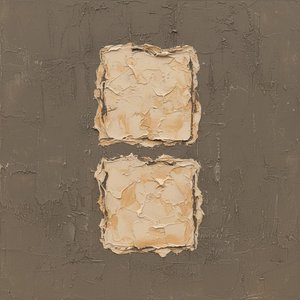
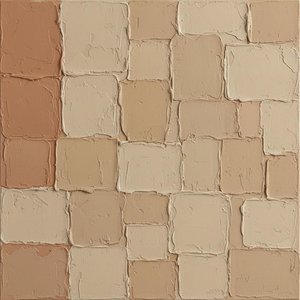
There is a profound, grounding resonance in the palette of the earth. When we speak of clay tones —those rich ochres, deep umbers, warm siennas, and muted terracottas—we are not merely discussing a color scheme; we are invoking the very substance of our existence. To walk through a gallery of works dominated by these hues is to feel an immediate, visceral connection to the soil, the ancient, and the primordial. These tones possess a quiet authority, a weight that anchors the viewer in a moment of timelessness.
Historically, these pigments were among the first the masters ever mastered. From the raw earth minerals used in prehistoric cave paintings to the sophisticated burnt umbers favored by the Old Masters, the use of clay-based palettes has bridged the gap between human innovation and the natural world. Throughout the centuries, from the dramatic chiaroscuro of the Baroque era to the textured, sun-drenched landscapes of the Impressionists, these warm, earthen tones have provided the essential foundation for light and shadow to dance.
In our modern, often hyper-saturated digital age, these artworks remain deeply meaningful because they offer a sanctuary of stability. They remind us of the tactile beauty of the physical world—the texture of dried mud, the warmth of a desert dusk, and the enduring strength of stone. There is a soulful honesty in a canvas that refuses the neon for the natural, inviting us to slow our breath and find beauty in the understated.
As we prepare to journey through our curated selection, prepare to encounter works where the earth itself seems to breathe upon the canvas. We have selected ten masterpieces that exemplify this earthen elegance, each one a testament to how a palette of clay can evoke emotions ranging from profound melancholy to a radiant, sun-soaked peace. Let us begin our exploration of these enduring, terrestrial treasures.
The Elephants, 1948 - Salvador Dalí
 The Elephants, 1948 - Salvador Dalí
To encounter The Elephants by Salvador Dalí is to step into a fever dream where the heavy becomes weightless and the stable becomes precarious. In this 1948 masterpiece, Dalí masterfully utilizes a palette of earthy, clay-like tones—muted ochres, dusty terracottas, and desaturated sands—to ground his impossible vision in a sense of ancient, parched reality. These warm, mineral hues anchor the composition, providing a stark, tactile contrast to the spindly, insect-like legs that support the massive, burdened creatures.
As part of our exploration into famous paintings dominated by clay tones, this work stands out for how its sepia-infused landscape evokes a sense of primordial desolation. The meticulous oil brushwork captures the smooth, almost photographic texture of the elephants' skin against a fiery, sun-scorched horizon. By blending these grounded, earthen pigments with surrealist instability, Dalí creates an emotional tension that remains profoundly moving. Such a piece does more than decorate a room; it invites a contemplative stillness, transforming a modern interior into a gateway for profound psychological exploration.
Assumption of the Virgin - Titian
 Assumption of the Virgin - Titian
To stand before a masterpiece is to witness the very moment divinity touches the earth. In Assumption of the Virgin by Titian , we encounter a celestial upheaval where the boundaries between the mortal and the eternal dissolve. This monumental work earns its place among the top paintings dominated by clay tones through its profound use of grounded, earthy pigments that anchor the heavenly drama. While the Virgin ascends in vibrant crimson, the base of the composition is anchored by the apostles, whose robes and skin tones utilize deep, ochre-rich shadows and warm, terracotta undertones.
Titian’s mastery of colorito allows these clay-like hues to breathe, creating a structural weight that makes the subsequent burst of golden light feel earned and miraculous. The heavy, textured brushwork captures the grit of the earthly realm, providing a tactile contrast to the ethereal clouds above. It is this sophisticated balance of terrestrial warmth and divine radiance that ensures the painting remains a transformative force, capable of bringing a sense of historical grandeur and soulful depth to any contemporary collection.
Woman with a Hat - Henri Matisse
 Woman with a Hat - Henri Matisse
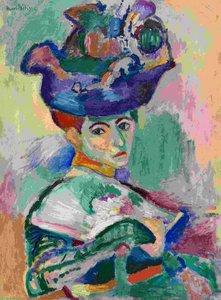
In Woman with a Hat , the raw energy of Henri Matisse’s brushwork is palpable; one can almost feel the thick, gestural impasto that defines this Fauvist cornerstone. While the piece is celebrated for its explosive palette, it is the grounding presence of earthy, clay-like undertones within the shadows and skin tones that provides a necessary structural weight to the composition. These muted, organic hues act as a sophisticated anchor, preventing the vibrant, non-naturalistic colors from overwhelming the viewer.
This masterpiece captures a revolutionary moment in art history—the birth of the 'wild beasts'—where texture and color liberated the canvas from mere representation. At ArtsDot.com, we honor this tactile legacy. Our master artists meticulously recreate these visible brushstrokes and deep tonal ranges on 100% cotton canvas, ensuring that the three-dimensional soul and the complex interplay of clay tones are preserved for your collection. We bring the profound materiality of Matisse’s genius into the modern home, offering a window into the very heart of the Fauvist movement.
Madonna and Child with an Angel - Sandro Botticelli
 Madonna and Child with an Angel - Sandro Botticelli
In Sandro Botticelli’s Madonna and Child with an Angel , the divine meets the terrestrial through a breathtakingly grounded palette. While many associate the Florentine master with ethereal mythologies, this 1470 masterpiece draws its profound emotional resonance from a sophisticated use of clay tones , ochres, and muted earth pigments. These warm, organic hues anchor the sacred pyramidal composition, lending a tactile, human weight to the Virgin’s grace.
The painting’s strength lies in its ability to blend spiritual transcendence with a palpable sense of presence. The soft browns and deep, earthy shadows create a chiaroscuro effect that breathes life into the drapery, making the celestial scene feel intimately accessible. In contemporary interior curation, such earth-toned masterpieces are experiencing a renaissance; their soothing, naturalistic warmth provides a perfect counterpoint to modern minimalism. By integrating these ancient, clay-inspired textures into a sophisticated space, one evokes a sense of timeless stability and quiet contemplation, proving that Botticelli’s mastery of light and earth remains a vital cornerstone of aesthetic elegance.
Europe after the Rain II - Max Ernst
 Europe after the Rain II - Max Ernst
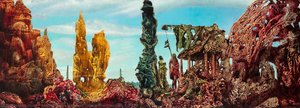
In Max Ernst’s 1942 masterpiece, Europe after the Rain II , the canvas becomes a visceral landscape of reconstruction and decay. As part of our exploration into the most profound paintings dominated by clay tones , this work stands as a monumental achievement in Surrealism. The palette is a heavy, evocative symphony of earthy browns, deep ochres, and terracotta hues, creating a terrain that feels both ancient and alien.
Ernst utilizes these mineral-rich pigments to depict a world where organic matter and architectural ruins fuse into a singular, textured entity. The clay-like textures, achieved through meticulous layering, suggest a planet emerging from the dust of conflict. To surround yourself with such a work is not merely to decorate a wall; it is to invite a profound transformation of your environment. This painting does not just occupy space—it breathes a sense of mystery and historical weight into your home, turning a private room into a gallery of the soul where the boundaries between dream and reality dissolve.
The fighting téméraire - Joseph Mallord William Turner
 The fighting téméraire - Joseph Mallord William Turner
Imagine standing on the banks of the Thames as the sun descends, not merely setting, but dissolving into a bruised, atmospheric haze of ochre and burnt umber. In J.M.W. Turner’s The Fighting Téméraire , one does not simply view a seascape; one witnesses the quiet, melancholic passing of an era. The painting captures the legendary HMS Temeraire being towed to her demise, her ghostly white sails contrasting against a sky heavy with clay tones and fiery, smoldering embers.
This masterpiece earns its place among the world's most profound works through its masterful use of earthy pigments and light to evoke the sublime. Turner utilizes a palette of muted sienna and deep terracotta to symbolize the transition from the heroic age of sail to the soot-stained dawn of industrial steam. It is a visual elegy that speaks to the inevitability of change. Bringing such a work into a modern interior offers more than mere decoration; it invites a sense of historical depth and contemplative serenity, grounding a contemporary space with the weight of timeless, soulful artistry.
Venus and Mars - Sandro Botticelli
 Venus and Mars - Sandro Botticelli
Imagine a quiet moment of respite where the clamor of conflict fades into a soft, rhythmic slumber. In Sandro Botticelli’s Venus and Mars , we are invited into an intimate sanctuary where the goddess of love watches over the sleeping god of war, signaling a profound truce between passion and strife. This masterpiece earns its place among the top paintings dominated by clay tones through its exquisite use of an earthy, grounded palette; rich ochres, warm terracottas, and deep siennas create a sense of primordial stability and warmth.
The painting captures a pivotal Renaissance philosophy: the triumph of harmony over discord. The heavy, sun-drenched tones of the landscape and the textured, clay-like hues of the interior elements provide a tactile depth that anchors the mythological figures to our reality. For the discerning collector, bringing such a work into a modern home offers more than mere decoration; it introduces a soulful, stabilizing presence. These warm, earthen pigments evoke a sense of timeless serenity, transforming a contemporary living space into a curated retreat of historical elegance and emotional peace.
The Embarkation for Cythera - Jean-Antoine Watteau
 The Embarkation for Cythera - Jean-Antoine Watteau
To step before The Embarkation for Cythera by Jean-Antoine Watteau is to wander into a dream of 18th-century French elegance, where the boundaries between reality and myth dissolve. As a cornerstone of our collection of paintings dominated by clay tones, this 1717 masterpiece exemplifies how earthy, grounded pigments can elevate a scene to the ethereal. Watteau utilizes a sophisticated palette of ochres, warm browns, and muted terracottas to anchor his figures within a pastoral landscape, creating a sense of organic warmth that feels both ancient and alive.
The painting famously inaugurated the fête galante genre, capturing the aristocratic pursuit of pleasure with soft, feathered brushstrokes and a luminous, atmospheric perspective. The way the light dances across the silken drapery and the riverbank—rendered in rich, clay-like hues—evokes a profound sense of nostalgia and romantic longing. This work remains essential for any curated space; its ability to marry heavy, terrestrial tones with a weightless, poetic spirit allows it to transform a modern interior into a sanctuary of historical depth and timeless grace.
Ariadne - John William Waterhouse
 Ariadne - John William Waterhouse
In John William Waterhouse’s 1898 masterpiece, Ariadne , we encounter a moment of profound, languid beauty that feels suspended in time. There is a visceral, earthy warmth to this work; the composition is anchored by a palette of clay tones , sun-drenched ochres, and deep terracottas that evoke the very dust of ancient myth. As you gaze upon the reclining figure, the way the warm, muted pigments blend with the lush greenery creates an atmosphere of opulent serenity.
This painting earns its place among the most significant works dominated by earthy hues due to its ability to marry Pre-Raphaelite detail with a romantic, atmospheric depth. The subtle interplay of light and shadow across the textured drapery brings a tactile reality to the mythological scene. At ArtsDot.com, we honor this legacy through our hand-painted oil reproductions . Our master artists meticulously recreate every visible brushstroke and tonal nuance, ensuring that the soulful, clay-toned warmth of Waterhouse’s vision is preserved with absolute authenticity, allowing you to invite this timeless piece of history into your own private collection.
Tuna Fishing, 1967 - Salvador Dalí
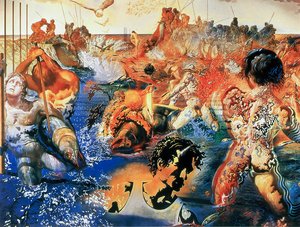 Tuna Fishing, 1967 - Salvador Dalí
In Tuna Fishing (1967), Salvador Dalí orchestrates a feverish ballet of chaos and cosmic struggle. This masterpiece earns its place in our selection through its breathtaking use of earthy, warm pigments; the canvas is saturated with intense oranges, deep ochres, and sun-drenched clays that evoke a sense of primordial heat. As you gaze upon this swirling naval battle, the clay-toned palette does more than ground the surrealist imagery—it breathes life into the visceral textures of skin, water, and flame.
Dalí’s fusion of classicism and psychedelic energy creates a visual manifesto that defies the ordinary. The way these warm, terrestrial tones collide with the dreamlike movement of nude figures and sea creatures offers a profound emotional depth. At ArtsDot.com, we believe such monumental energy should not be confined to museums. Whether as a hand-painted oil reproduction or a striking multi-panel set, bringing this surrealist masterpiece into your private sanctuary transforms a mere wall into a window to the infinite. It is an invitation to surround yourself with art that is not just decor, but a powerful statement of historical rebellion and refined taste.
Conclusion
As the light fades on our journey through these earthen masterpieces, we are reminded that the beauty of clay, ochre, and sienna lies in their profound connection to the very ground we walk upon. These tones do more than merely decorate a canvas; they anchor us to the past, offering a sense of permanence and warmth in an ever-changing world. The works we have explored today are far more than historic treasures locked behind museum glass; they are living presences, breathing with a quiet strength that continues to shape our modern interiors and stir the deepest corners of the human spirit.
At ArtsDot.com , we believe that such profound beauty should not be confined to a single gallery, but rather allowed to inhabit our homes and lives. We strive to bridge the gap between the untouchable past and your personal sanctuary by ensuring every masterpiece can be reborn as a hand-painted reproduction. Each stroke of the brush by our skilled artists is an act of devotion, meticulously honoring the original's soul, texture, and inimitable detail. Whether you are seeking the tactile depth of an impasto landscape or the soft, muted elegance of a classical portrait, we invite you to discover how these timeless hues can transform your space. We invite you to wander through our full collection and bring the enduring warmth of art history into your own story.