


Introduction
Step into the quiet, amber-lit corridors of art history, where the air feels heavy with the scent of aged linseed oil and the warmth of a fading sunset. While the vibrant primaries of the modern era often command our immediate attention, there is a profound, soulful resonance found in a much more grounded palette. To explore paintings dominated by brown tones is to engage with the very essence of the earth—the umbers, siennas, and ochres that have served as the foundational language of masters for centuries.
Historically, these earthen pigments were more than mere color choices; they were the literal fragments of our world, harvested from soil and stone. From the dramatic chiaroscuro of the Baroque period to the contemplative stillness of the Dutch Golden Age, the use of brown tones allowed artists to sculpt light out of darkness. These hues provided a sense of permanence, weight, and organic truth, grounding even the most divine subjects in a palpable, human reality. They evoke the texture of weathered wood, the richness of velvet, and the soft shadows of a candlelit study.
In our fast-paced, digitally saturated contemporary world, these masterpieces remain deeply meaningful because they offer an invitation to slow down. There is a psychological comfort in this monochromatic depth; it provides a sense of stability and timelessness that transcends eras. These works do not shout for attention with neon brilliance; instead, they whisper, inviting the viewer into a space of introspection and quiet luxury.
As we journey through our curated selection, prepare to encounter works that define the elegance of restraint. We will traverse through centuries of mastery, examining ten iconic paintings where the sophisticated use of brown tones creates an atmosphere of unparalleled depth, texture, and emotion. Each piece serves as a testament to the idea that true brilliance often resides in the most subtle of shadows.
Harmony in Red - Henri Matisse
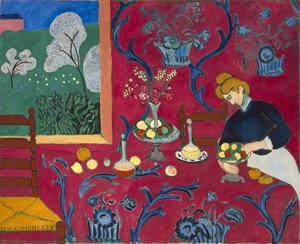 Harmony in Red - Henri Matisse
While our journey through the Top 10 Famous Paintings Dominated by 'Brown' Tones often leads us into the somber depths of earth and umber, Matisse’s Harmony in Red offers a breathtaking departure. This 1908 masterpiece serves as a vibrant counterpoint, where the warmth of deep crimson and magenta replaces traditional sepia, yet retains that same grounded, domestic intimacy found in more muted works.
As you stand before this canvas, you are not merely observing a woman peeling an orange; you are witnessing a revolution. Matisse utilizes a flattened perspective and saturated hues to transform a simple interior into a gallery of the soul . The way the intense reds interact with subtle shadows creates a rhythmic, pulsating energy that defies the stillness of the scene. It is a masterclass in how color can liberate a space from reality, turning a domestic moment into an eternal, emotive symphony. To possess such a piece is to invite a profound transformation into your own home, replacing the ordinary with the extraordinary.
A boy with pipe - Pablo Picasso
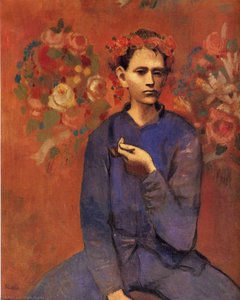 A boy with pipe - Pablo Picasso
In A Boy with Pipe , the tactile soul of Picasso’s Rose Period is revealed through a masterful interplay of earth-toned warmth and expressive texture. To observe this work is to witness the heavy, deliberate application of oil; the impasto technique creates a rhythmic surface where deep umbers and sienna tones merge with sun-drenched ochre. This isn't merely a portrait of a Parisian youth adorned with roses; it is a study in materiality, where the thick, gestural brushstrokes lend a three-dimensional vitality to the subject’s contemplative gaze.
As one of the top 10 famous paintings dominated by brown tones , this piece captures a transition from melancholy to a more luminous, organic warmth. At ArtsDot.com, our mission is to honor this very essence. Our hand-painted oil reproductions are meticulously crafted to preserve that unmistakable physical depth—the visible ridges of the brush and the rich, tonal range of the original canvas—ensuring that the profound, atmospheric weight of Picasso’s genius is brought into your private collection with absolute authenticity.
Bildnis Fritza Riedler, 1906 - Österreichische Galerie, Vienna - Gustav Klimt
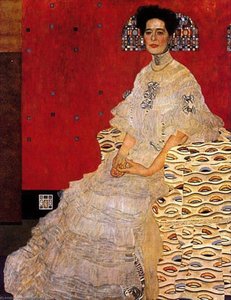 Bildnis Fritza Riedler, 1906 - Österreichische Galerie, Vienna - Gustav Klimt
To encounter Bildnis Fritza Riedler is to step directly into the gilded heart of the Vienna Secession. In this 1906 masterpiece, Gustav Klimt orchestrates a breathtaking dialogue between shadow and opulence, securing its place among the world’s most profound works defined by deep, earthy undertones. While many associate Klimt solely with radiant gold, it is his masterful use of dark browns , saturated reds, and sepia-toned shadows that provides the necessary gravity to this portrait.
The composition is a symphony of texture; the heavy, chocolatey tones of the background create a dramatic stage for Fritza Riedler’s ethereal white gown. This interplay of light and dark—a hallmark of the finest paintings dominated by brown tones —lends the piece an incomparable emotional depth, oscillating between aristocratic splendor and a haunting, melancholic isolation. For the discerning collector or interior designer, this work offers more than mere decoration; it provides a sophisticated anchor for modern luxury spaces, bringing a sense of historical weight, academic excellence, and timeless, moody elegance to any curated environment.
Flag - Jasper Johns
 Flag - Jasper Johns
In Jasper Johns’ iconic Flag , the traditional patriotic palette is transformed through a sophisticated, earthy lens. While the red, white, and blue remain recognizable, the heavy use of encaustic—a technique involving melted beeswax —introduces deep, muted undertones and sepia-like shadows that anchor the piece within a much warmer, more somber spectrum. This mastery of texture creates a sense of aged permanence, where the interplay of light and wax produces subtle, brownish hues that soften the vibrant primary colors.
This nuanced use of tone earns its place among the top 10 famous paintings dominated by brown tones because it moves beyond mere color into the realm of atmosphere. For the discerning interior designer or collector, integrating a piece with this specific weight can anchor a modern living space. The painting’s textured, tactile surface and muted shadows provide an ideal focal point for rooms featuring dark wood furniture or leather accents, offering a way to introduce historical gravity and a sophisticated, autumnal mood to contemporary architectural settings.
The Falling Angel - Marc Chagall
 The Falling Angel - Marc Chagall
In The Falling Angel , Marc Chagall orchestrates a profound tension between chaotic movement and structural gravity. While the piece is celebrated for its surrealist intensity, it finds its grounding within a complex geometry of intersecting planes and jagged, angular shapes that anchor the swirling composition. The work utilizes deep, earthy undertones and heavy shadows to create a sense of weight, where the darker, sepia-adjacent tones provide a necessary foundation for the fiery reds and celestial blues to emerge.
This masterful use of shadow and dark, somber pigments allows the painting to serve as a cornerstone in our exploration of famous paintings dominated by brown tones . The way Chagall balances the weight of the descending figure against the fragmented, Cubist-influenced background creates a rhythmic stability that feels both ancient and avant-garde. Much like the principles of modern minimalist design, this internal balance—the equilibrium between heavy, dark masses and luminous highlights—offers a sophisticated aesthetic that can ground even the most contemporary, clean-lined interior spaces with a sense of historical depth and psychological permanence.
Dog - Francis Bacon
 Dog - Francis Bacon
In Francis Bacon’s 1952 masterpiece, Dog , the visceral power of expressionism meets a somber, earthy depth that anchors its place among the most profound works in our collection. While the piece is celebrated for its haunting, distorted forms, it is the heavy, grounded presence of its darker, sepia-adjacent undertones that provides a sense of existential weight. Bacon utilizes a palette where muted, shadowy tones intersect with raw, energetic brushstrokes, creating a landscape of profound vulnerability and introspection.
This painting stands as a cornerstone of our exploration into famous paintings dominated by brown tones because it demonstrates how darker, earth-bound hues can amplify psychological tension. The interplay of the dog’s form against a structured, grid-like background offers a sophisticated aesthetic for the modern collector. In contemporary interior design, such works serve as commanding focal points in minimalist or industrial spaces, where the rich, textured shadows and deep, tonal complexity add a layer of quiet prestige and intellectual depth to a curated room.
Fragmented Primaries: A Singular Vision of Masked Identity and Spontaneous Chaos - Christian Noiret
 Fragmented Primaries: A Singular Vision of Masked Identity and Spontaneous Chaos - Christian Noiret
While many collectors seek the warmth of earth tones, Christian Noiret’s Fragmented Primaries: A Singular Vision of Masked Identity and Spontaneous Chaos offers a startling, high-contrast departure that redefines how we perceive depth within a palette. Legend suggests this piece was born from a moment of intense creative friction, where Noiret sought to balance the structural weight of heavy black contours against the volatile energy of white splatters and vertical drips. Though it breaks away from the traditional stability of brown-dominated works, its profound use of deep, shadowed blues and rich, saturated reds provides a grounded, muscular presence that anchors any room.
The technical genius lies in its ability to command attention through controlled instability; the way the mask-like central figure emerges from geometric disorder creates a hypnotic, rhythmic tension. This masterpiece serves as more than mere decoration; it is an intellectual catalyst. For the discerning professional, placing such a work in a modern home office or study fosters an atmosphere of focused ambition and sophisticated dynamism, inspiring a clarity of thought amidst the beautiful chaos of innovation.
Annunciation - Duccio di Buoninsegna
 Annunciation - Duccio di Buoninsegna
To stand before a masterpiece from the Trecento is to witness the very moment art began to breathe. In Annunciation by Duccio di Buoninsegna, we encounter a profound transition where the rigid gold of Byzantine tradition meets the tender humanism of the Sienese School. This work earns its place among the top 10 famous paintings dominated by brown tones through its masterful use of earthy, grounded pigments that anchor the divine narrative to our physical world.
The palette is a sophisticated study in warmth; deep, umber-rich shadows and sepia undertones provide a soulful foundation for the striking red wall and the ethereal gold leaf. Duccio’s brushwork captures the Archangel Gabriel in graceful motion, his presence balanced by the quiet, contemplative stillness of Mary. The subtle interplay of light across the textured surfaces evokes a sense of sacred intimacy, making the divine encounter feel remarkably tactile. Such works remind us that true art does not merely decorate a room; it anchors a space with historical gravity and an enduring, emotional resonance that continues to transform modern interiors.
Estudios - Pablo Picasso
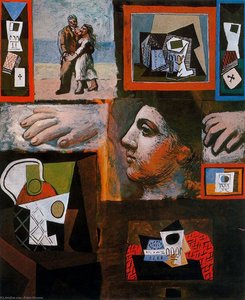 Estudios - Pablo Picasso
What if I told you that Estudios by Pablo Picasso was born from a moment of rebellion—a stroke of defiance against the ordinary? This collection is not merely a series of sketches; it is a visual manifesto of fragmentation and rebirth. In this selection, the earthy, sepia-toned palette dominates, utilizing deep umbers and rich ochres to ground his radical Cubist deconstructions. These brown tones do more than provide warmth; they create a structural gravity that holds the fractured planes and geometric shadows together, allowing the viewer to trace the very evolution of modern art.
Its inclusion in our collection of paintings dominated by brown tones is essential, as it demonstrates how muted, organic pigments can amplify the raw energy of Picasso’s restless genius. At ArtsDot.com, we believe such profound historical moments should not be confined to museum archives. Whether through a hand-painted oil reproduction or a bespoke multi-panel set, bringing this symphony of earth tones into your home transforms a mere wall into a sophisticated gallery. Let Estudios serve as a reminder that your space is not just a room—it is a statement of intellectual depth and timeless prestige.
Deposition (detail) (9) - Rogier van der Weyden
 Deposition (detail) (9) - Rogier van der Weyden
In the somber, earth-bound depths of Rogier van der Weyden’s Deposition (detail) , we encounter a masterclass in the use of profound, grounding tones. This work does not merely occupy space; it commands a spiritual presence through its rich, umber-heavy palette and the visceral weight of its subject matter. The deep browns and muted ochres define the heavy, textured drapery and the weathered wood of the cross, creating an atmosphere of solemnity that feels almost tactile.
As you move closer to this Early Netherlandish masterpiece, the interplay of light and shadow—a precursor to the dramatic chiaroscuro we adore—reveals the raw, human tragedy of the scene. The warmth of the brown tones provides a stark, emotive contrast to the pale, vulnerable flesh of Christ and the tear-streaked faces of the mourners. To possess such a piece is to invite a transformative gravity into your home; it is an invitation to surround yourself with the profound textures of history and the enduring strength of human emotion.
Conclusion
As the light fades on our journey through these sepia-toned corridors of history, we find that the beauty of a brown palette lies not in its darkness, but in its profound capacity to ground us. These masterpieces—with their rich umbers, warm siennas, and deep ochres—are far more than mere relics of a bygone era; they are living presences that breathe warmth into the soul. To surround oneself with such works is to invite a sense of permanence and quiet grace into the modern home, transforming a simple room into a sanctuary of reflection.
Whether it is the tactile depth of an impasto brushstroke or the soft, atmospheric glow of a Renaissance shadow, these paintings serve as daily reminders of our shared human connection to light, earth, and emotion. They offer a stillness that allows us to pause amidst the chaos of contemporary life, anchoring our interiors with a sense of heritage and timelessness. We invite you to move beyond mere admiration and begin your own dialogue with these classics by bringing their textured warmth into your personal space.
Explore the enduring elegance of our full collection , where every hand-painted stroke is a tribute to the enduring power of art to inspire, comfort, and endure.