Меню

Александр Хельвиг Вайт

1836 - 1892

Краткая справка

  • Museums on APS:
    • Метрополитен-музей
    • Институт искусств Детройта
    • Музей Метрополитен
  • Color intensity: сбалансированный
  • Vibe: безмятежность
  • Born: 1836, Порт Вашингтон, Соединенные Штаты Америки
  • Works on APS: 52
  • Mediums:
    • акрил на холсте
    • масло на холсте
  • Art period: — XIX век
  • Top 3 works:
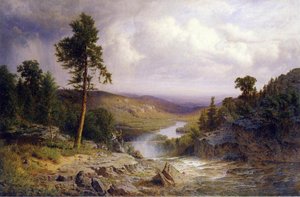
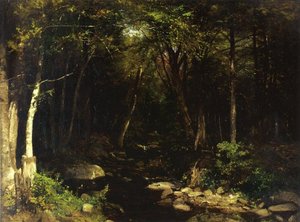
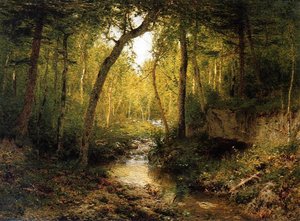
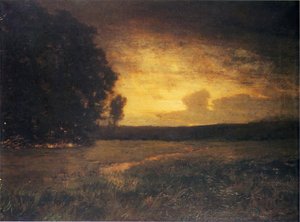
    • Tennessee
    • Keene Valley
    • Summer Landscape
  • Movements:
    • tonalism
    • hudson river school
  • Corpus themes:
    • hudson river school
    • inness influence
    • atmospheric landscapes
    • hudson river school influence
  • Lifespan: 56 years
  • Развернуть подробности
  • Topics explored:
    • landscape
    • mountains
    • nature
    • tranquility
    • stream
  • Creative periods: mature period
  • Died: 1892
  • Top-ranked work: Tennessee
  • Gift suitability: other-none
  • Emotional tone: безмятежный
  • Also known as: А.Х. Вайт
  • Room fit: гостиная
  • Copyright status: Public domain
  • Nationality: Соединенные Штаты Америки

Alexander Helwig Wyant (1836–1892): A Poet of Atmospheric Landscapes

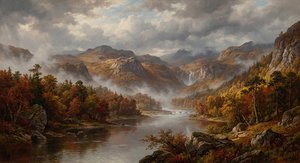
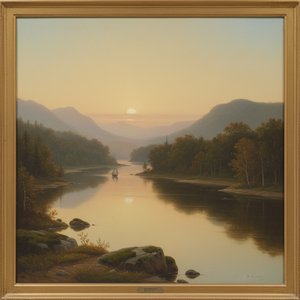
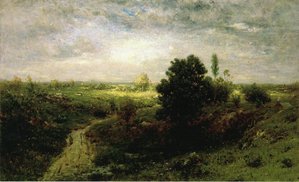
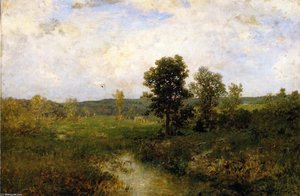
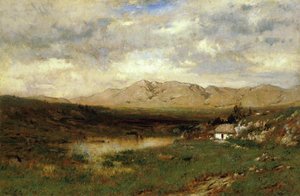
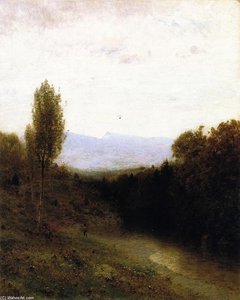
Alexander Helwig Wyant, born in Port Washington, Ohio, stands as a pivotal figure bridging the stylistic currents of the Hudson River School and Tonalism—a testament to American art’s capacity for innovation while retaining its connection to European traditions. He wasn't merely a painter *of* landscapes; he possessed an almost poetic sensibility, translating the subtle moods of nature onto canvas with remarkable sensitivity and nuance. His artistic journey began modestly, sketching along the banks of the Ohio River near Cincinnati, yet swiftly ascended into a vocation fueled by formative encounters and transformative experiences that would shape his oeuvre irrevocably.

Early Influences and Artistic Formation

Wyant’s initial artistic endeavors bore the unmistakable imprint of the Hudson River School—a movement characterized by meticulous depictions of natural scenery and an ardent celebration of America's untamed wilderness. However, even within these early canvases, glimpses of his future trajectory emerge: a burgeoning preoccupation with atmospheric effects and a predilection for palettes imbued with subdued hues. This inclination intensified over time, propelling him away from purely representational painting toward the nascent aesthetic championed by Tonalism—a movement that prioritized mood, atmosphere, and poetic interpretation above precise detail. Crucially, Wyant’s artistic development was profoundly impacted by his acquaintance with George Inness in 1857. This encounter served as a catalyst for relocation to New York City, where he sought mentorship and formal training at the National Academy of Design—a patronage generously bestowed upon him by Nicholas Longworth of Cincinnati. The influence of Inness’s later style – particularly his masterful manipulation of tonal values – became an indelible mark on Wyant's artistic vision.

European Exploration and Artistic Synthesis

A subsequent voyage to Europe in 1860 broadened Wyant’s intellectual horizons, exposing him to diverse artistic traditions flourishing in Germany and affording brief glimpses into the landscapes of England and Ireland. These formative experiences instilled within him a deep appreciation for European Impressionism and Barbizon painting—movements that championed *plein air* painting and prioritized capturing the ephemeral qualities of light and atmosphere. He studied diligently under Hans Gude in Düsseldorf and Karlsruhe, absorbing techniques honed by Norwegian masters who had pioneered similar approaches to landscape art. This synthesis of American and European influences resulted in a distinctive artistic style characterized by both meticulous observation and atmospheric resonance—a hallmark of Wyant’s oeuvre.

The Shift Towards Tonalism and Artistic Maturity

Following his return from Europe, Wyant continued to refine his technique, gradually gravitating toward a more fluid handling of paint—a deliberate departure from the rigid conventions of academic painting. He embraced a palette dominated by whites, grays, and earthy tones—colors that allowed him to convey subtle emotional nuances within his landscapes. The debilitating stroke he suffered in 1873 – which paralyzed his right arm – presented an unforeseen challenge but spurred Wyant to adapt with remarkable resilience. Forced to paint exclusively with his left hand, he achieved a level of artistic mastery unparalleled by many of his contemporaries—a testament to his unwavering dedication and creative ingenuity. From 1867 onward, Wyant exhibited his watercolors annually, establishing the American Watercolor Society in 1878—a pivotal moment in furthering American watercolor painting as an art form.

Legacy and Recognition

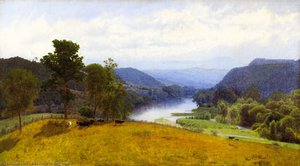
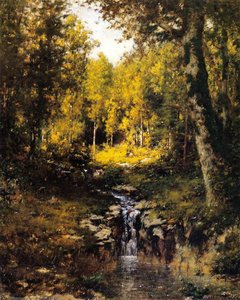
Wyant’s artistic legacy transcends mere technical proficiency; it resides in his profound understanding of the human condition reflected within his landscapes—a reflection of his belief that art should evoke emotion and inspire contemplation. His paintings, notably *Mohawk Valley* and *Arkville Autumn Landscape*, exemplify this ethos—capturing not just visual beauty but also intangible moods and sensations. Recognized primarily for his evocative depictions of woodland glades and open hillsides, Wyant’s work stands as a cornerstone of American Barbizon painting—a movement that championed *plein air* painting and prioritized capturing the fleeting effects of light and atmosphere. His enduring influence continues to inspire artists today, cementing his place as one of America's most celebrated landscape painters—a poet who transformed observation into art.

Тест по искусству

В каждом вопросе только один правильный ответ.

Вопрос 1:
Кто оказал значительное влияние на решение Александра Х. Уайанта серьезно заниматься искусством?
Вопрос 2:
Какое физическое препятствие преодолел Уайант, что вероятно усилило его внимание к атмосферным эффектам?
Вопрос 3:
Стиль Уайанта эволюционировал в направлении какой школы живописи, уделяя особое внимание настроению и атмосфере?
Вопрос 4:
В каком году родился Александр Х. Уайант?
Вопрос 5:
Уайанту удалось основать какую художественную ассоциацию?