

 Предпросмотр
 Поделиться
 Поделиться
 Детали произведения

 Скачать
 Похожие работы
 Рентгенография
 Слайд-шоу
 Статистика
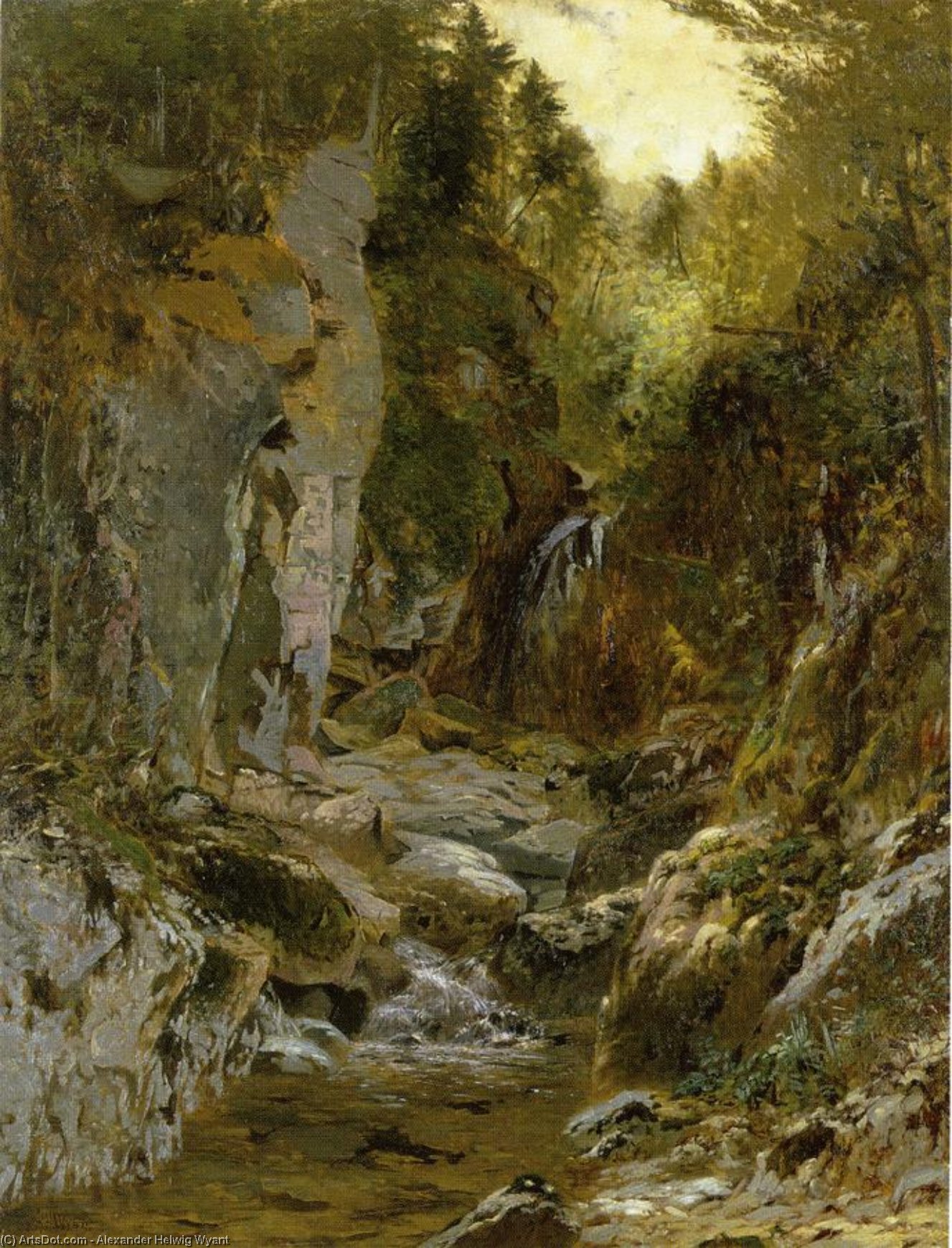
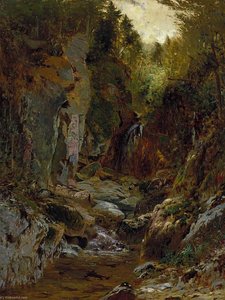
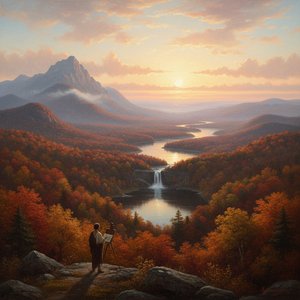
The Flume, Opalescent River, Adirondacks


 Читать далее
Масляная репродукция ручной работы
Картина маслом на холсте в выбранном вами размере и раме, написанная на заказ нашими художниками. ( Перейти к печати Перейти к цифровым изображениям)




P118B $10

P118H $10

P118W $10

P438Z $10

P508JH $12

P508YH $12

P805H $10

P805Z $10

P919BZ $10

P919G $10

P919XJ $10

P959ZH $10

P968JZ $12

W106C $8

W218G $10

W218JH $8

W218Y $10

W307PJ $10

W316G $10

W316PJ $8

W316Y $10

W398PJ $8

W4111J $10

W500HY $15

W500JH $15

W692G $12

W849H $8

W940BG $15

W953PJ $8




Выберите один из наших стандартных размеров, соответствующих оригинальным пропорциям произведения искусства.

Вы можете указать собственные размеры, чтобы картина идеально вписалась в выбранную раму или пространство. Если выбранный вами размер не соответствует пропорциям оригинала, мы либо обрежем полотно, либо расширим его за счет дополнительных элементов, написанных вручную. Цифровой макет будет отправлен вам на утверждение перед началом производства.
Обратите внимание, что предварительный просмотр на экране не отражает фактическую обрезку или расширение. Только макет точно покажет окончательную композицию.
Хотя доступны индивидуальные размеры, мы рекомендуем выбирать вариант из предопределенного списка, чтобы сохранить исходные пропорции.
После оформления заказа команда ArtsDot.com свяжется с клиентом по электронной почте для уточнения деталей и предоставит предварительный макет
Доставка по всему миру () за 3–4 недели вместо стандартных 5 недель. (12 Сентябрь). Без компромиссов в качестве.

Бесплатная экспресс-доставка по всему миру

Высококачественный льняной холст

Полное страхование доставки

Гарантия возмещения таможенных пошлин

Гарантия точного соответствия цветов

100-дневная политика возврата (только при обнаружении дефектов)

Гарантия возврата 100% средств

Предложение оптовых скидок
 Вариант со стеклом доступен только для размеров менее 110 см

The Flume, Opalescent River, Adirondacks
Техника репродукции
Размер репродукции
-


Итоговая стоимость
$ 263
A Symphony of Light and Water in the Adirondacks
In the heart of the American wilderness, where the rugged terrain of the Adirondacks meets the sky, Alexander Helwig Wyant captured a moment of profound serenity in his 1875 masterpiece, The Flume, Opalescent River, Adirondacks. This breathtaking landscape invites the viewer into a secluded sanctuary, where a rocky stream meanders through a dense, ancient forest. The composition is masterfully orchestrated, utilizing strong vertical elements—towering cliffs, slender trees, and the cascading descent of water—to create an immediate sense of grandeur and depth. As your eyes wander across the canvas, you encounter a weathered stone structure nestled within the wild greenery, a subtle hint of human presence that serves only to emphasize the vast, untamed majesty of the natural world.
Wyant’s technique is nothing short of poetic, showcasing his transition from the detailed realism of the Hudson River School toward the more atmospheric, moody essence of Tonalism. Using oil on canvas, he achieves a remarkable luminosity that makes the water appear to shimmer with life. The artist employs a sophisticated interplay of light and shadow; a dramatic light source illuminates the upper reaches of the scene, casting soft, dappled shadows across moss-covered rocks and lush foliage. This careful manipulation of light breathes movement into the stillness, making the textures of rough stone and delicate leaves feel almost tactile to the observer.
The Emotional Resonance of the Sublime
Beyond its technical brilliance, The Flume serves as a profound exploration of the Romantic ideal—the concept of the "sublime." Through a palette dominated by deep forest greens, earthy browns, and cool grays, Wyant evokes a sense of peaceful contemplation. The painting does not merely depict a location; it captures an emotional state of awe and tranquility. There is a rhythmic quality to the work, found in the curved lines of the flowing stream and the organic shapes of the terrain, which guides the viewer into a meditative trance. It is a scene that whispers of the eternal, where the persistent flow of the Opalescent River represents the unstoppable passage of time amidst the enduring strength of the mountains.
For the discerning collector or interior designer, this artwork offers more than just visual beauty; it provides an atmospheric anchor for any space. Whether placed in a sunlit gallery or a sophisticated study, the painting brings a piece of the wild, untamed American spirit indoors. The rich textures and deep, harmonious colors make it a versatile choice for creating a focal point that inspires calm and wonder. Owning a reproduction of this Wyant classic is an opportunity to preserve a fragment of 19th-century American history and to surround oneself with the timeless, evocative beauty of the natural landscape.
Похожие произведения


Биография художника
Alexander Helwig Wyant (1836–1892): A Poet of Atmospheric Landscapes
Alexander Helwig Wyant, born in Port Washington, Ohio, stands as a pivotal figure bridging the stylistic currents of the Hudson River School and Tonalism—a testament to American art’s capacity for innovation while retaining its connection to European traditions. He wasn't merely a painter *of* landscapes; he possessed an almost poetic sensibility, translating the subtle moods of nature onto canvas with remarkable sensitivity and nuance. His artistic journey began modestly, sketching along the banks of the Ohio River near Cincinnati, yet swiftly ascended into a vocation fueled by formative encounters and transformative experiences that would shape his oeuvre irrevocably.Early Influences and Artistic Formation
Wyant’s initial artistic endeavors bore the unmistakable imprint of the Hudson River School—a movement characterized by meticulous depictions of natural scenery and an ardent celebration of America's untamed wilderness. However, even within these early canvases, glimpses of his future trajectory emerge: a burgeoning preoccupation with atmospheric effects and a predilection for palettes imbued with subdued hues. This inclination intensified over time, propelling him away from purely representational painting toward the nascent aesthetic championed by Tonalism—a movement that prioritized mood, atmosphere, and poetic interpretation above precise detail. Crucially, Wyant’s artistic development was profoundly impacted by his acquaintance with George Inness in 1857. This encounter served as a catalyst for relocation to New York City, where he sought mentorship and formal training at the National Academy of Design—a patronage generously bestowed upon him by Nicholas Longworth of Cincinnati. The influence of Inness’s later style – particularly his masterful manipulation of tonal values – became an indelible mark on Wyant's artistic vision.European Exploration and Artistic Synthesis
A subsequent voyage to Europe in 1860 broadened Wyant’s intellectual horizons, exposing him to diverse artistic traditions flourishing in Germany and affording brief glimpses into the landscapes of England and Ireland. These formative experiences instilled within him a deep appreciation for European Impressionism and Barbizon painting—movements that championed *plein air* painting and prioritized capturing the ephemeral qualities of light and atmosphere. He studied diligently under Hans Gude in Düsseldorf and Karlsruhe, absorbing techniques honed by Norwegian masters who had pioneered similar approaches to landscape art. This synthesis of American and European influences resulted in a distinctive artistic style characterized by both meticulous observation and atmospheric resonance—a hallmark of Wyant’s oeuvre.The Shift Towards Tonalism and Artistic Maturity
Following his return from Europe, Wyant continued to refine his technique, gradually gravitating toward a more fluid handling of paint—a deliberate departure from the rigid conventions of academic painting. He embraced a palette dominated by whites, grays, and earthy tones—colors that allowed him to convey subtle emotional nuances within his landscapes. The debilitating stroke he suffered in 1873 – which paralyzed his right arm – presented an unforeseen challenge but spurred Wyant to adapt with remarkable resilience. Forced to paint exclusively with his left hand, he achieved a level of artistic mastery unparalleled by many of his contemporaries—a testament to his unwavering dedication and creative ingenuity. From 1867 onward, Wyant exhibited his watercolors annually, establishing the American Watercolor Society in 1878—a pivotal moment in furthering American watercolor painting as an art form.Legacy and Recognition
Wyant’s artistic legacy transcends mere technical proficiency; it resides in his profound understanding of the human condition reflected within his landscapes—a reflection of his belief that art should evoke emotion and inspire contemplation. His paintings, notably *Mohawk Valley* and *Arkville Autumn Landscape*, exemplify this ethos—capturing not just visual beauty but also intangible moods and sensations. Recognized primarily for his evocative depictions of woodland glades and open hillsides, Wyant’s work stands as a cornerstone of American Barbizon painting—a movement that championed *plein air* painting and prioritized capturing the fleeting effects of light and atmosphere. His enduring influence continues to inspire artists today, cementing his place as one of America's most celebrated landscape painters—a poet who transformed observation into art.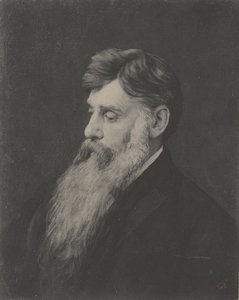
Александр Хельвиг Вайт
1836 - 1892 , Соединенные Штаты Америки
Основные сведения
- Artistic Movement Or Style: Тонализм и Художественная школа Хадсона
- Artists Or Movements Influenced By This Artist: ['Американское общество акварели']
- Artists Who Influenced This Artist:
- Джордж Иннес
- Джоан Констебл
- Джеймс Мэтью Уорстер
- Date Of Birth: Янв 11, 1836
- Date Of Death: Нояб 29, 1892
- Full Name: Alexander Helwig Wyant
- Nationality: Американский
- Notable Artworks:
- Мохокская долина
- Пейзаж Арквилл осень
- Place Of Birth: Порт Уэстпорт, США
Похожие статьи
Robert Spencer: Luminism, Narrative & the American Landscape Tradition
Explore the captivating world of Luminism & the Hudson River School with our expert analysis. Discover the history, artists, and enduring beauty of 19th-century American landscape painting. Find museum-quality reproductions at ArtsDot.
Школа реки Гудзон: 10 шедевров, изменивших американскую живопись | ArtsDot
Погрузитесь в мир Школы реки Гудзон! 10 шедевров Томаса Коула, Фредерика Чёрча и других мастеров американского романтизма. Купите репродукции картин высокого качества для вашего интерьера на ArtsDot.com.

Evocations of Place: A Historical Journey Through Landscape Art
Explore the rich history of landscape art with ArtsDot. Discover renowned artists, movements like Impressionism & tonalism, and expert guidance for collecting timeless pieces. Find your perfect serene escape today!

Evocations of Place: A Historical Journey Through Landscape Art
Explore the rich history of landscape art with ArtsDot. Discover renowned artists, movements like Impressionism & Romanticism, and expert guidance for collecting timeless pieces. Find your perfect serene escape today!
The Sublime Landscape: Exploring the Hudson River School Movement
Explore the captivating world of the Hudson River School! Discover the history, artists, and defining characteristics of this iconic American art movement. Learn about Romanticism's influence & find inspiration for your collection.